Resplendent
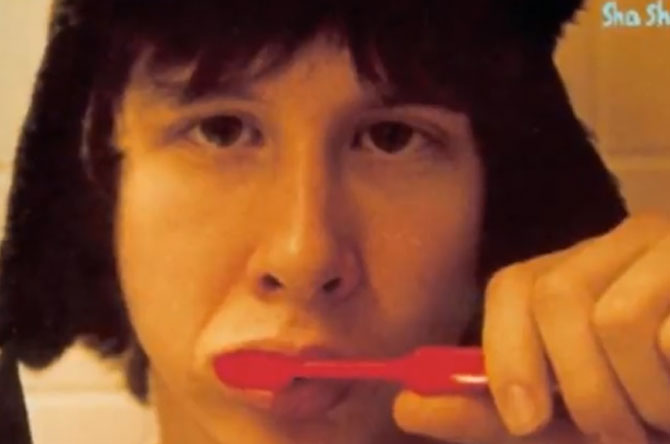
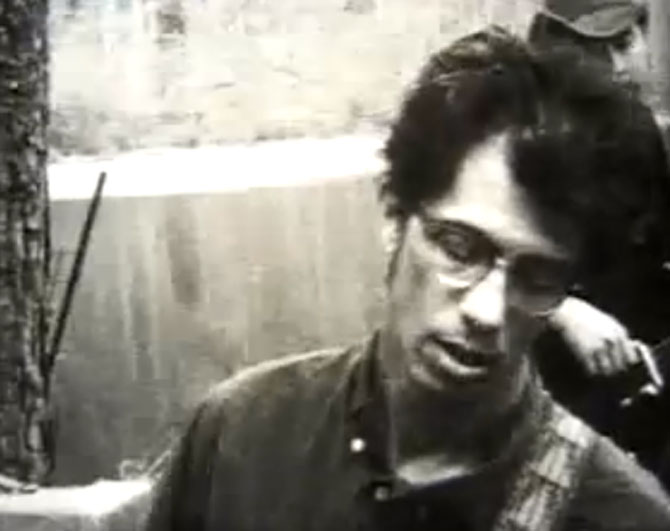
What to hear a perfect song? “Resplendent,” by Bill Mallonee and Vigilantes of Love, is as close as it gets. There’s the Bruce Cockburn-like guitar, that sweet snare drum shuffle, and Emmylou’s harmonies.
What to hear a perfect song? “Resplendent,” by Bill Mallonee and Vigilantes of Love, is as close as it gets. There’s the Bruce Cockburn-like guitar, that sweet snare drum shuffle, and Emmylou’s harmonies.
Last night I gathered with my English as a Second Language students for our final class of the semester. Before digging into another dry reading comprehension exercise, we just sat and talked, which, to be honest, is the main reason that Thursday night is often the highlight of my week.
After describing the administration’s push for the American Services Members Protection Act, Lawrence concludes with this fun little anecdote (and by “fun” I mean horrifying).

Kholin’s and Masha’s encounter is a desperate act of human contact, but it’s also vaguely degrading; it’s a moment of near transcendent delight, but it’s one that feels debased and compromised. I can’t make sense of it, really, though I feel compelled to, which is probably why Ivan’s Childhood is one of the few war films that I return to with any frequency.
Within the strange confines of my personal experience, many of the “Regular Joes” who support President Bush and his agenda seem to do so because he is pro-life and because he evidences publicly the recognizable signs of a “committed walk with God.” Within this community — this large, evangelical sub-culture — voting Republican is a “moral” act, a single gesture by which evangelicals hope to restore America to its Christian foundations.
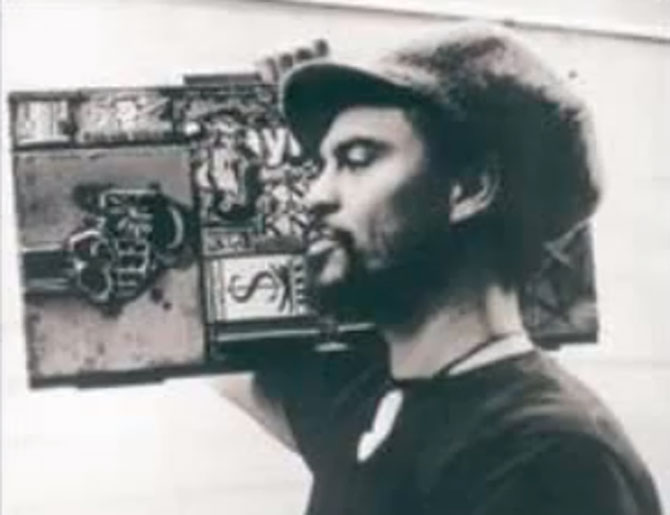
In ’94, Michael Franti formed Spearhead, one hell of a roots-based band, and has remained politically engaged. “Bomb the World” is his response to recent events.
I never buy eight dollar magazines. Ever. On principle. Even the really tempting ones like Paste that come with those nifty CD samplers. Which is why it’s so odd that, tonight, I bought an eight dollar magazine.
Pass the pie, please.
On Saturday, on that plane, I was reading Illuminations, a collection of “Essays and Reflections” by Walter Benjamin, the influential, early-20th century German literary critic.
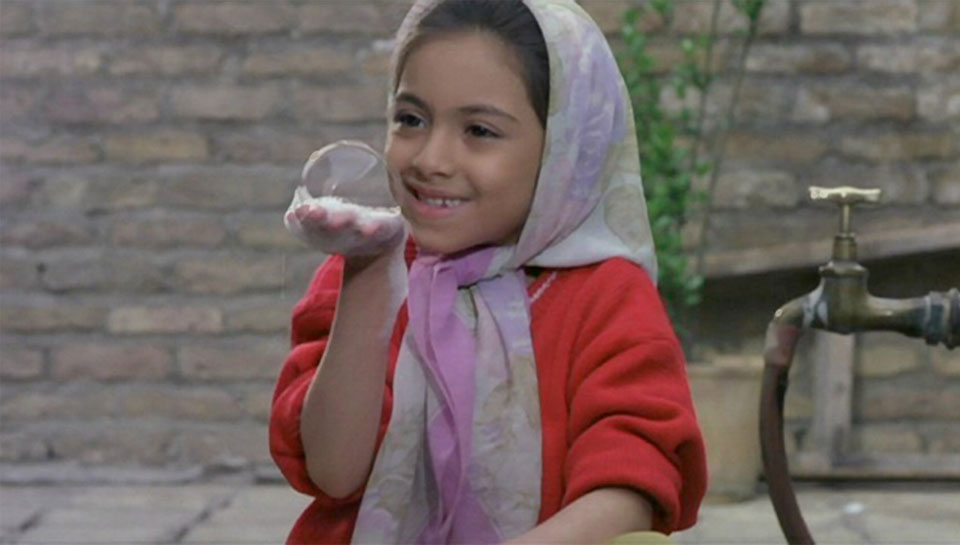
While the film lacks the explicit political critique of something like Panahi’s The Circle (banned by Iranian officials) or Kiarostami’s Close-Up, it offers a wonderfully told story, and it also performs a service that is terribly important right now: Our hearts should be warmed to the people of the Middle East, the people who are (or who soon will be) hiding out under the devastation of our bombing campaigns.
I usually use the “Song of the Moment” to promote music that readers might not hear otherwise. So why U2? I’m just stuck on “Until the End of the World” right now, and I’m not sure why.
Tonight, I listened to Shane Claiborne tell stories about Baghdad. He’s taller than I expected (6′ 3″, maybe) and skinnier and younger. I mean, I knew he was young, but after reading his diaries for the last few weeks I somehow expected him to carry the weight of his experience in his skin.
With more than one hundred html documents, nearly three hundred images, and thousands upon thousands of words, Long Pauses was getting a bit unwieldy.
Two quotes from Tony Kushner.
Tony Kushner on President Bush and military intervention in Iraq.
I watched a fantastic installment of Frontline last night called, The Long Road to War. The first half hour was devoted to a political biography of Saddam, the second segment dealt mostly with the ’91 Gulf War, and the final bit addressed the Clinton and Dubya years.
Less than an hour until President Bush’s national address, and I’m too tired, too frustrated, and too stunned to think. I know that there’s not much lower on the blog food chain than posting a poem without comment, but, well, a friend sent this to me today, and it’s been a source of welcomed comfort.
With war now only days away (I assume), parts of the anti-war movement seem to be — and I say this with some hesitation — relishing the prospect of disaster.
I’ve been a champion of Mailer’s political commentary since first reading Armies of the Night and gasping at his prescient analysis of the Cold War. Sure, he can be as subtle as a sledgehammer, but the combined weight of his experience, intelligence, and confidence strike me with a welcomed force.
I so want Bush to be the Christian President that many of my friends claim him to be, but then I read articles like this, in which he makes such ridiculous comments.
In Armies of the Night, Norman Mailer calls himself a member of the “Conservative Left,” which makes more and more sense to me as I spend more and more time arguing with friends about this unnecessary, but apparently inevitable, war.
Whereas post-colonial critics have, in turn, criticized/praised Melville for his appropriation of racist stereotypes (or his subversion of those stereotypes, depending on which side of the debate each critic stands), Denis situates Melville’s moral dilemma in an explicitly post-colonial situation, complicating further the relationships between European and African, Christian and Muslim, and calling into question the political value and motivations underlying those relationships.
It’s a small blogoshpere after all. Thanks to this week’s cover story in the Metro Pulse, I’ve discovered that Instapundit (a.k.a. Glenn Reynolds), one of the world’s pioneer and most heavily-trafficed bloggers, spends his days in an office just a few yards from my own.
I had planned to post a rambling personal narrative today, describing in minute detail my particular experiences in Saturday’s anti-war demonstrations. But when I sat down to it, the idea seemed a bit too self-indulgent, even by blog standards.
I’ve heard the soundbite hundreds of times over the years, memorizing subconsciously its particular pauses and inflections. Not until the weeks following September 11, though, did FDR’s most memorable message resonate in any meaningful ways for me.
This track is just so rock and roll. I love it. A little advice: the louder you play it, the more transcendent it becomes.
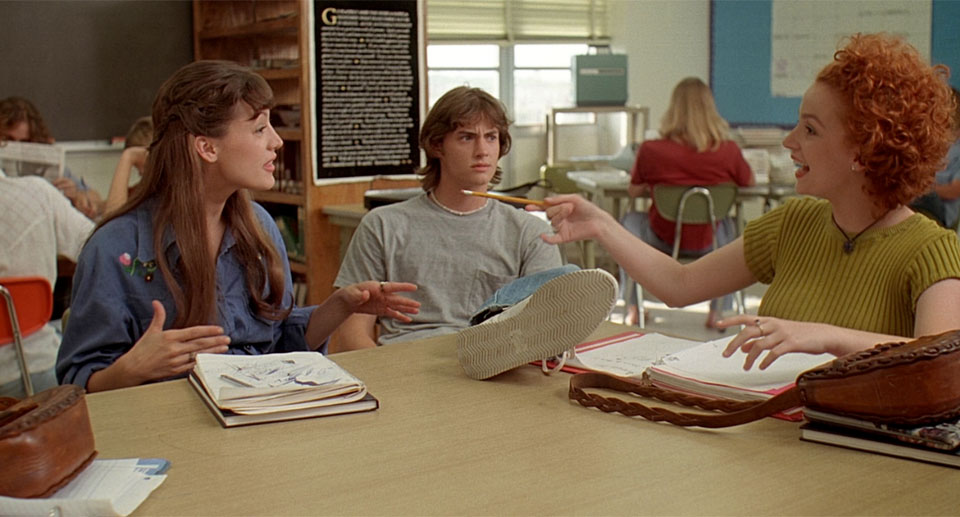
I’ve never been one to miss high school, but I do occasionally find myself longing for something from those days, something lacking in the day to day management of adult life.
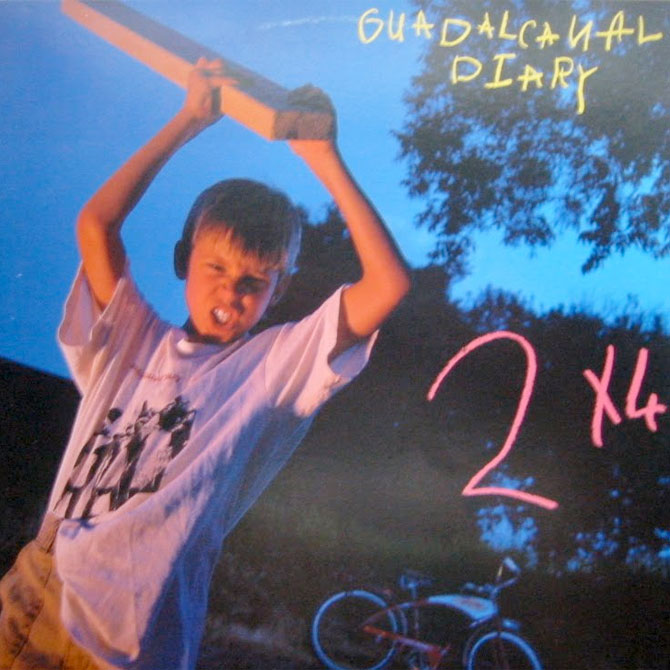
A mix of music I loved between roughly April 1987 (a month before my 15th birthday) and June 1988 (a month after my 16th).
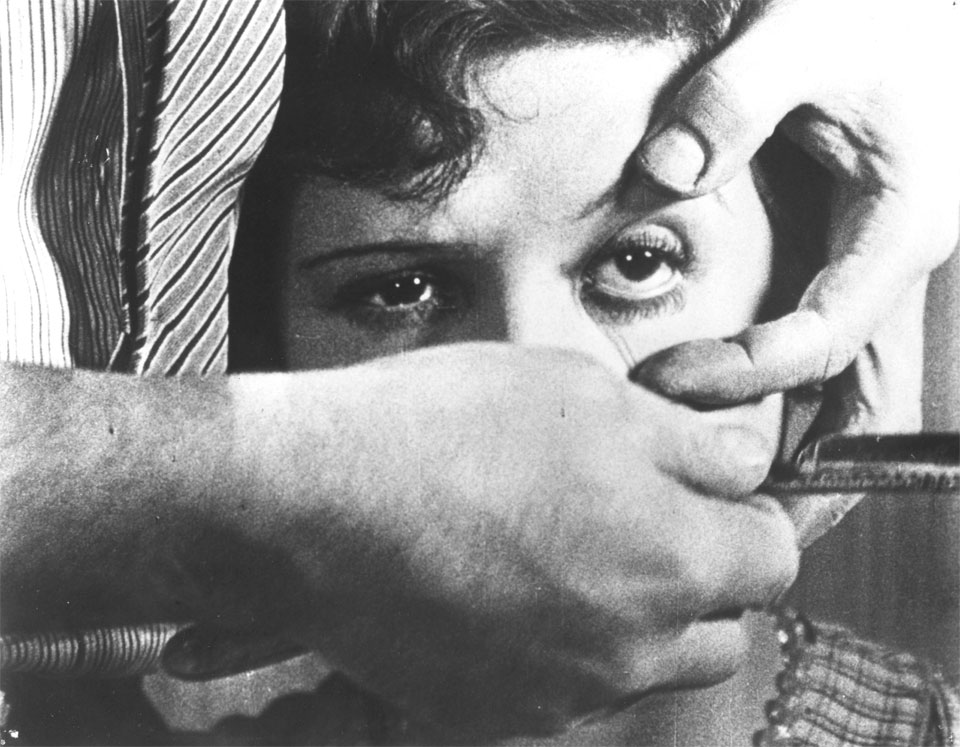
My favorite discussion of the famous eye-slicing sequence can be found in Virginia Carmichael’s Framing History, where she compares Bunuel’s film to E.L. Doctorow’s The Book of Daniel, a novel that attempts to make sense of the early Cold War years.