
Natural Wonders: The Films of Jessica Sarah Rinland
This essay was originally published in Cinema Scope.
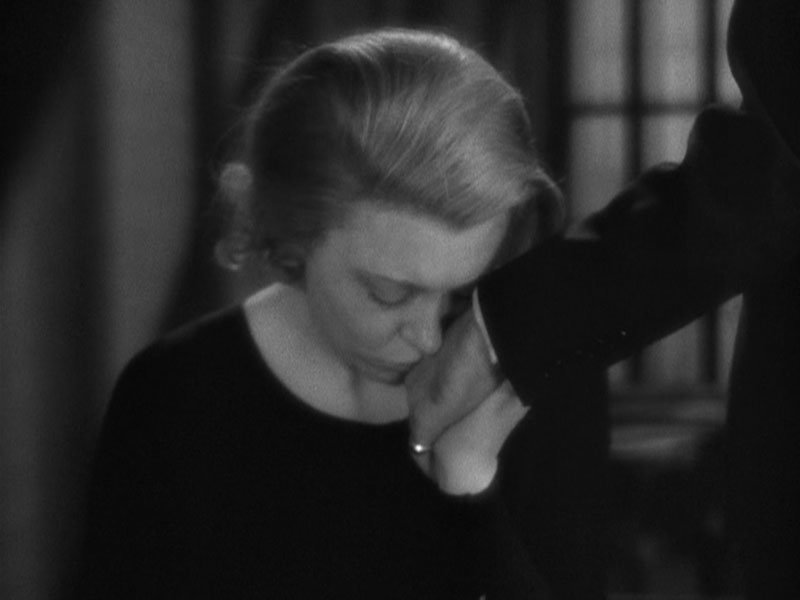
Looking at Women: William A. Wellman’s Style in Frisco Jenny and Midnight Mary
This essay was originally published at Mubi.
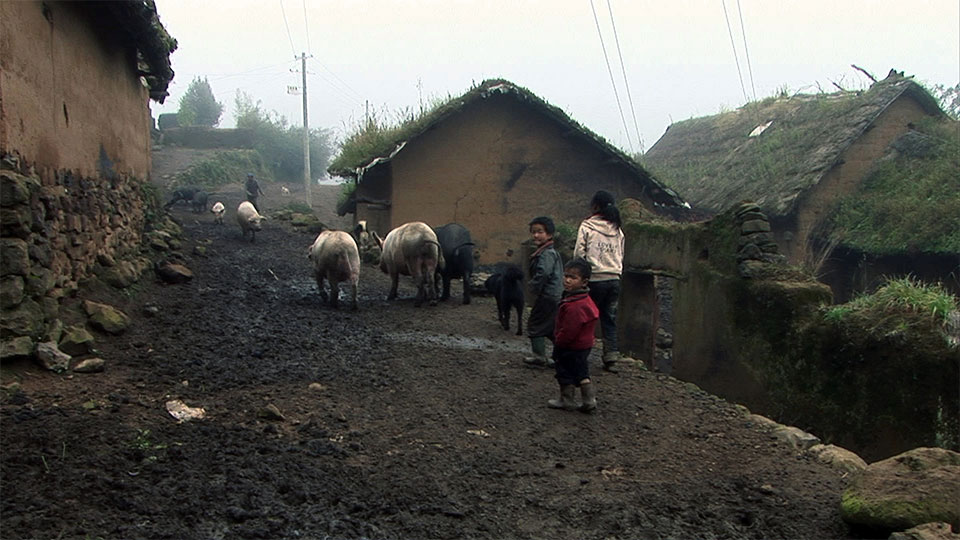
Three Sisters (2012)
Wang introduced Three Sisters as “a simple film” that “might be too long.” I appreciate his humility (a hallmark of his filmmaking, too), but I think he’s wrong on both counts. There’s nothing simple about this precise assemblage of footage collected during several visits to the girls’ remote farming village, and the length of the film is, in fact, essential to its success.
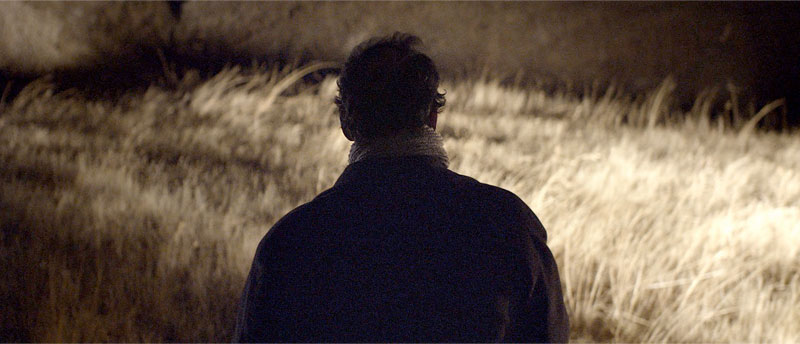
Once Upon a Time in Anatolia (2012)
I expected Ceylan to fill 150 minutes with stunning images; I didn’t expect him to deliver what might be my favorite script of the past decade.
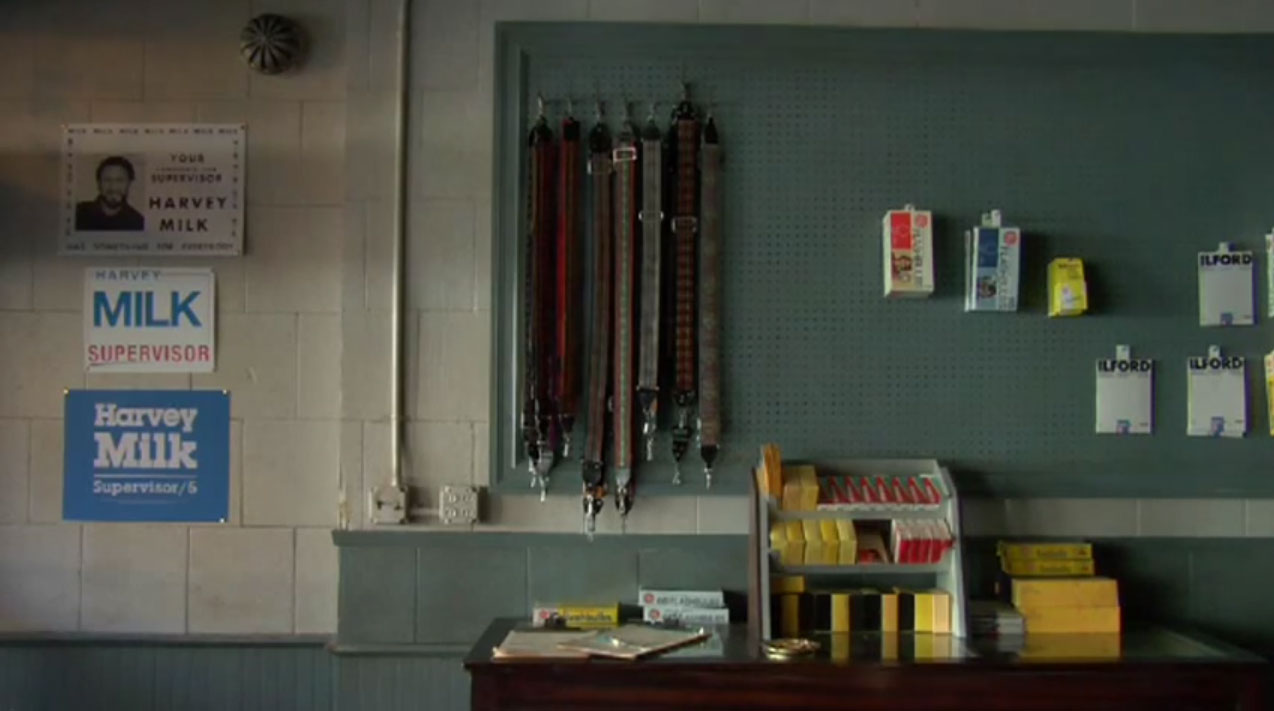
575 Castro St.
When I spoke to Olson after the screening, she told me how overwhelming it was to visit the set, to listen to Milk’s voice, and to know that it was here — right here — that he contemplated his imminent murder. She’s translated that experience well to her film, which is ghostly and deeply moving. But, of course, it wasn’t right here that Milk made his tape. This is a meticulously dressed set.
St. Nick (2009)
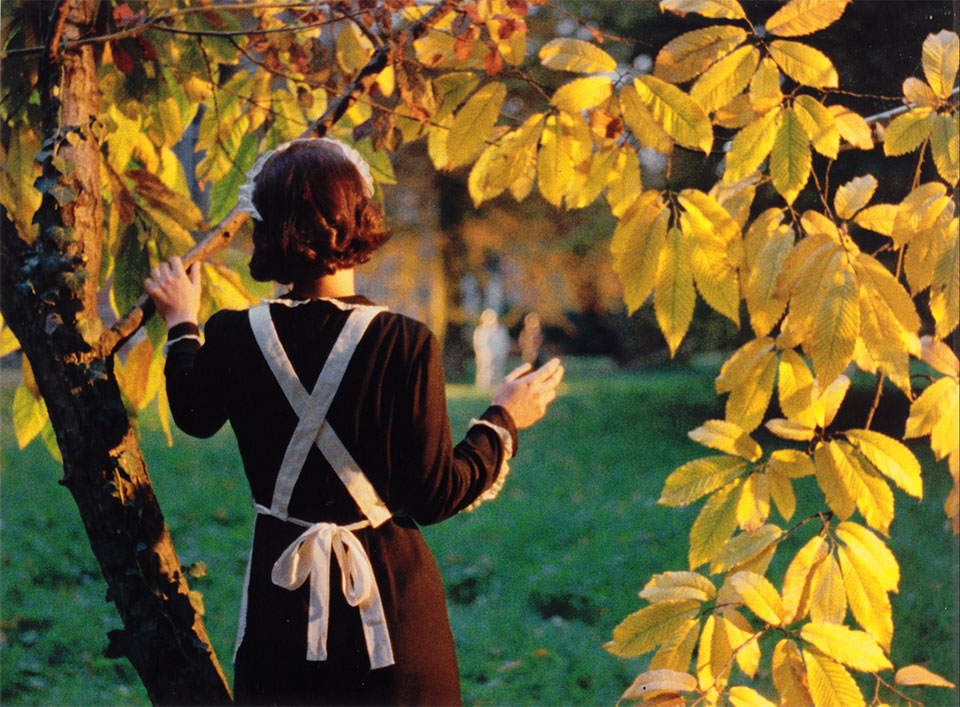
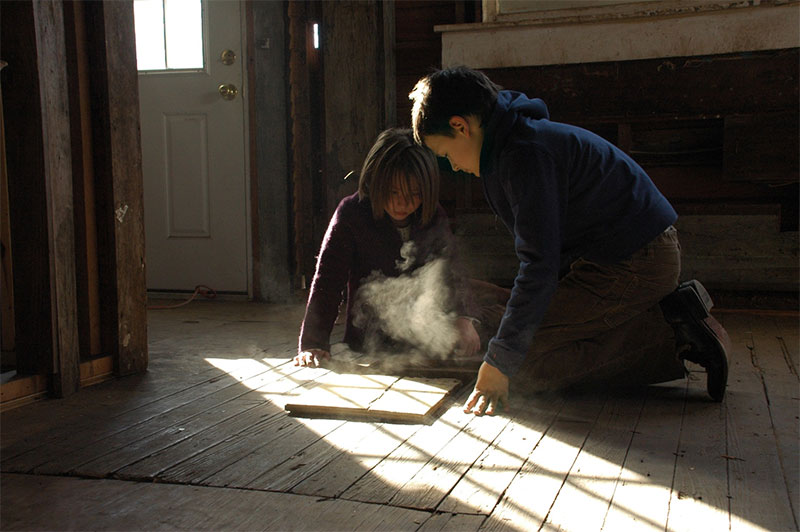
American “regional” cinema (again with the ironic scare quotes), especially that of the indie variety, has an unfortunate tendency to come off like tourism, in the sense that the camera is too often set up in front of objects that only reinforce our preexisting sense of the place. “The South,” for example, is often reduced to a now-vacant and picturesque block of what was once a small town’s main street before the interstate and Wal-Mart moved in.

New Directions: The 33rd Toronto International Film Festival
This essay was originally published at Senses of Cinema.
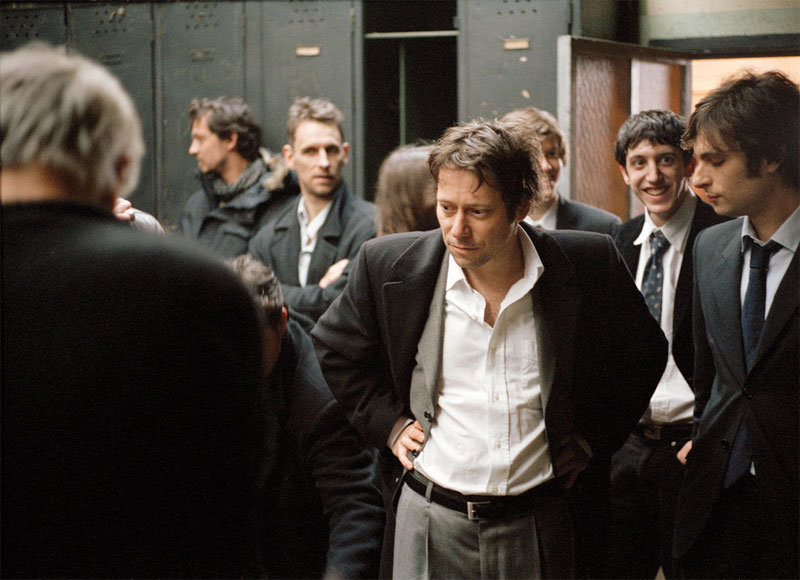
Heartbeat Detector (2008)
Heartbeat Detector is a tricky one. Immediately after my first viewing a couple weeks ago, I went searching for decent writing about it but found slim pickings. Judging by the responses of most critics I’ve found online, it’s little more than a too-long and “oh so European” corporate thriller. Unflattering comparisons to Michael Clayton are the norm, and there’s a not-so-subtle (and strangely patronizing) animosity running through the reviews: that a film would seriously compare the workings of modern capital to the Holocaust is just too much, apparently.
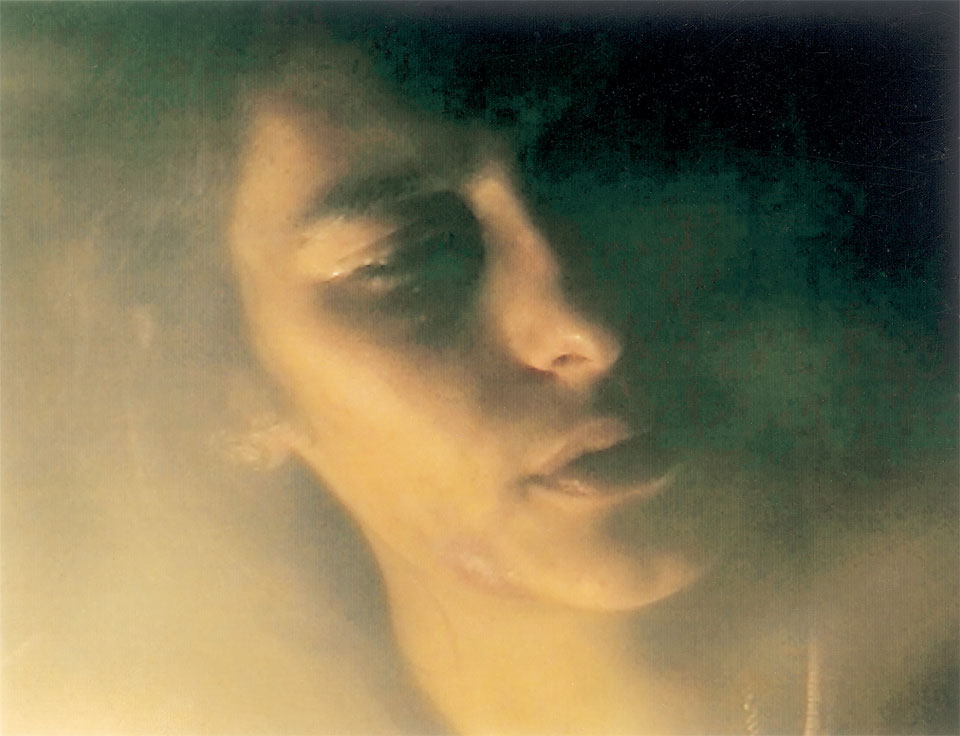
Pedro Costa’s “Vanda Trilogy” and the Limits of Narrative Cinema as a Contemplative Art
This essay was originally published in Faith and Spirituality in Masters of World Cinema (2008), edited by Kenneth Morefield for Cambridge Scholars Publishing.
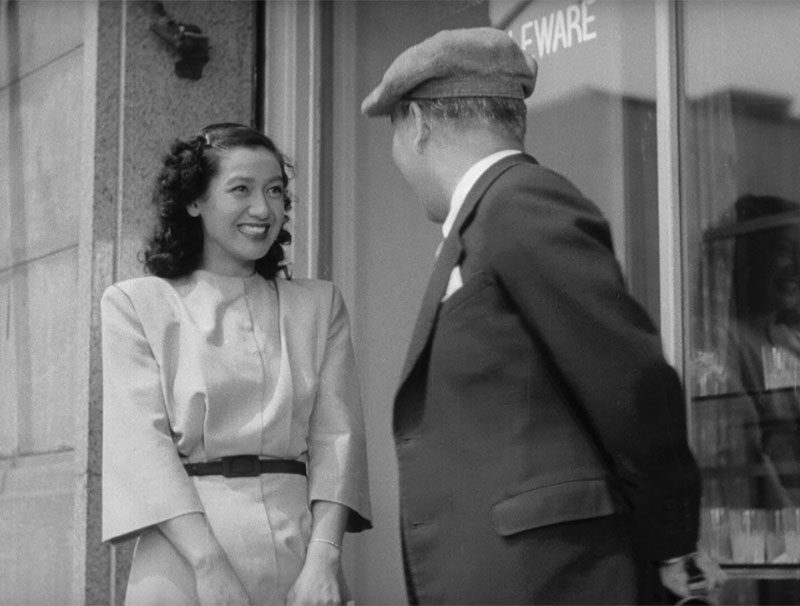
Late Spring (1949)
I watched Late Spring for the first time last night (yeah, I know) and had a grand time spotting the details that echo throughout Denis’s film. Mostly, though, I was struck by just how strange a filmmaker Ozu really is, particularly in his cutting. It made me realize that I’m not so sure, exactly, what we mean when we call a film “Ozu-like.”

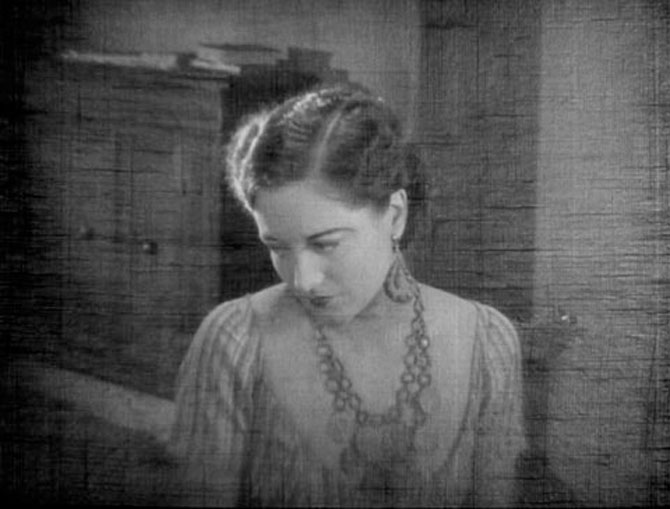
The Unknown (1927)
Melodrama is a matter of narrative and performance style, of course, but, particularly in silent cinema, the core of melodrama is mise-en-scene.
Los Muertos (2004)
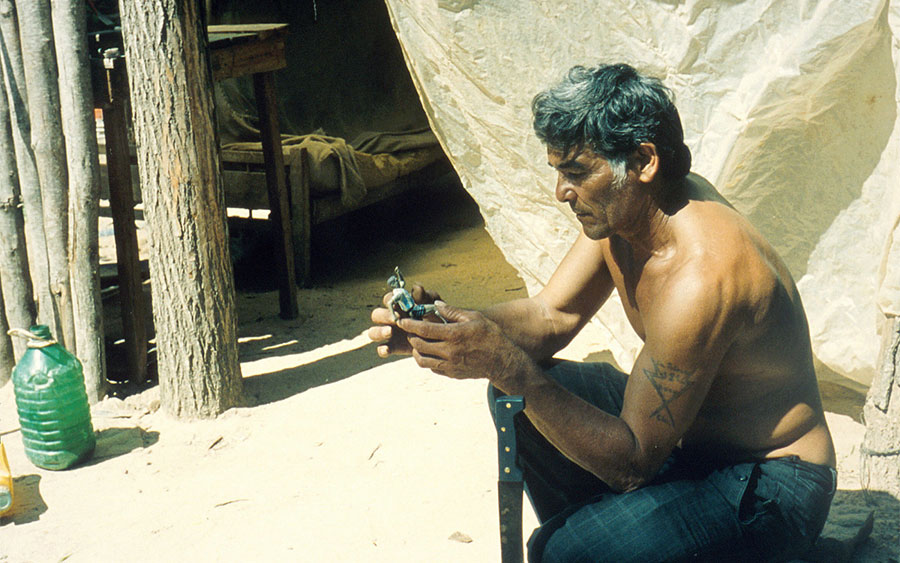
What fascinates me about Los Muertos is that it explores the connection between form and content by taking all of the tropes of “transcendental cinema” and staining them, by narrative means, with dread and violence. It reminds me of Brian Eno’s answer (apocryphal, perhaps) when he was asked if he was the father of New Age music: “No, my music has evil in it.”
Early Lynch
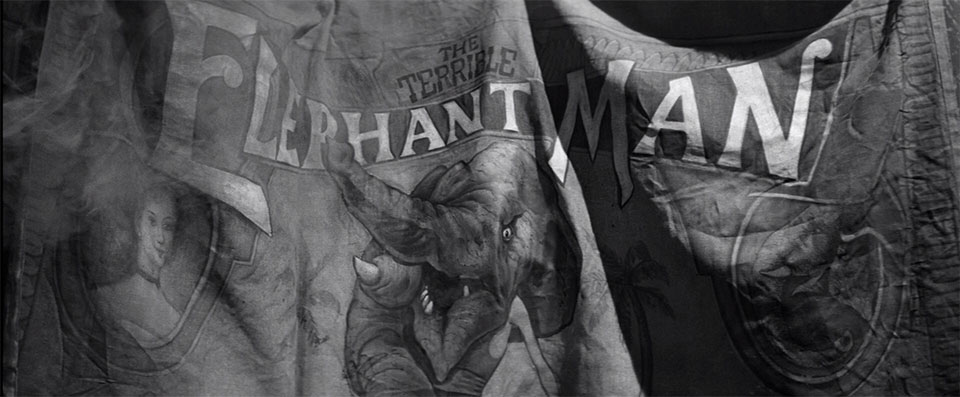
Love and death are ethical and metaphysical issues for Lynch, but they’re bound up in biology, too. Human flesh and organic processes are mysterious, unreliable, and frightening in these films. You can practically smell the decay.
Colossal Youth (2006)
Nearly all of the press coverage of Colossal Youth has been accompanied by the same low-angle shot of Ventura, the film’s protagonist. He’s an elderly man, tall and thin. In this particular image, we see little of his face — just one eye peering over his right shoulder. The photo is dominated, instead, by the stark lines and sharp angles of a newly-constructed, State-funded tenement high-rise that blots out the sky behind him.
The End and the Beginning (2006)
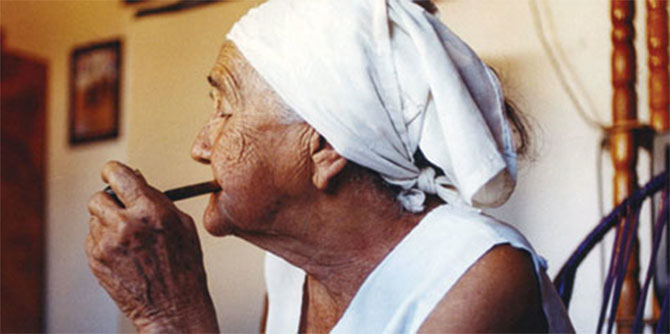
“We want to hear stories,” director Eduardo Coutinho says early in this film, which is built almost entirely from interviews he conducted over a two-week period in Paraiba, a backlands town in in the northeast of Brazil. Specific stories. Intimate, personal stories.
Schuss! (2005)
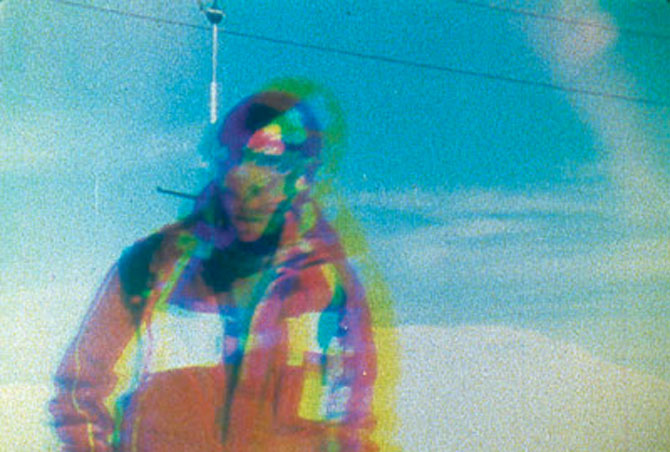
Nicolas Rey’s Schuss! is an experimental essay film that is concerned, ultimately, with the spoils of capitalism. More specifically, it’s about the rise of the aluminum industry, the building of a French ski resort, and the economic interests that joined the two.

Counsellor at Law (1933)
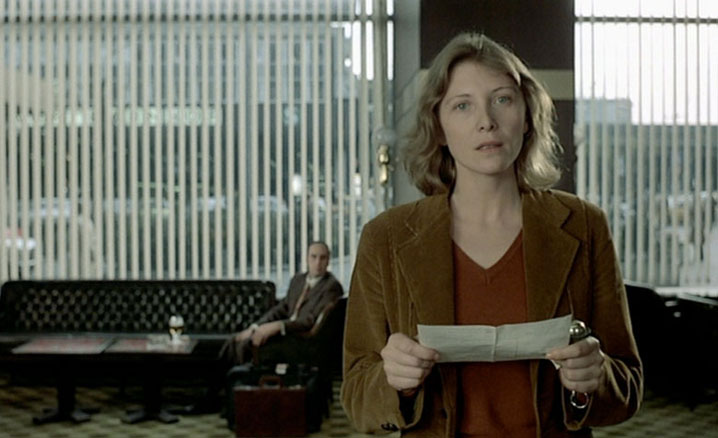
In the foreground sits Harry Becker (Vincent Sherman), a young radical who only the night before was beaten and arrested by the police for, as his mother explains it, “making Communist speeches.” He sits here with George Simon (John Barrymore), a high-powered attorney whose office overlooks Manhattan from atop the Empire State Building.
Half Nelson (2006)
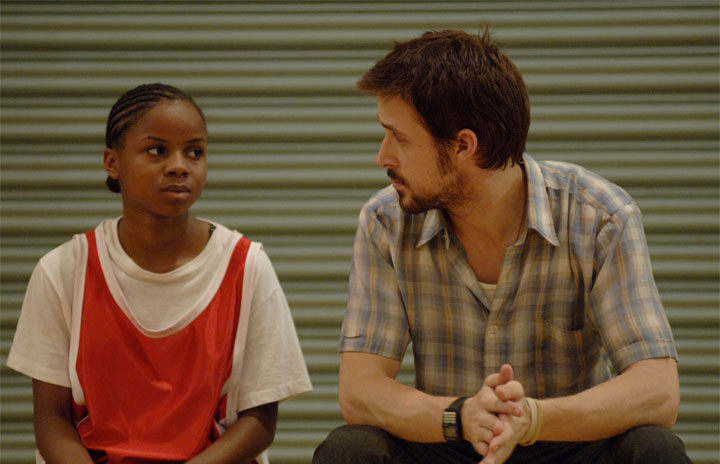
It’s rare these days when I find myself identifying with a character in the same way that, say, the 7-year-old version of me identified with Charlie Bucket or the 15-year-old version of me identified with Holden Caulfield. But Dan Dunne, the crack-addicted, idealistic History teacher played by Ryan Gosling in Half Nelson, is more like me than any other character I’ve met in quite some time.