TIFF 2012 – Day 6
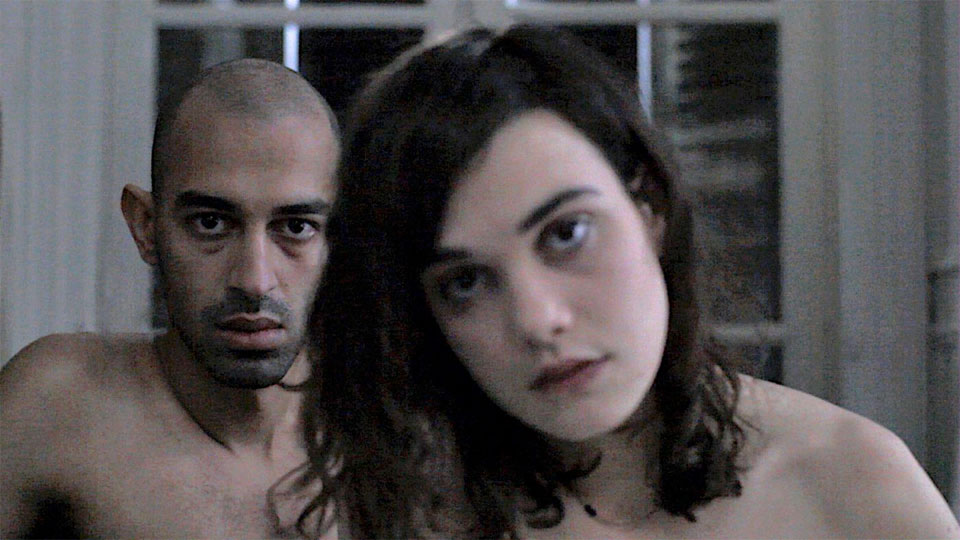
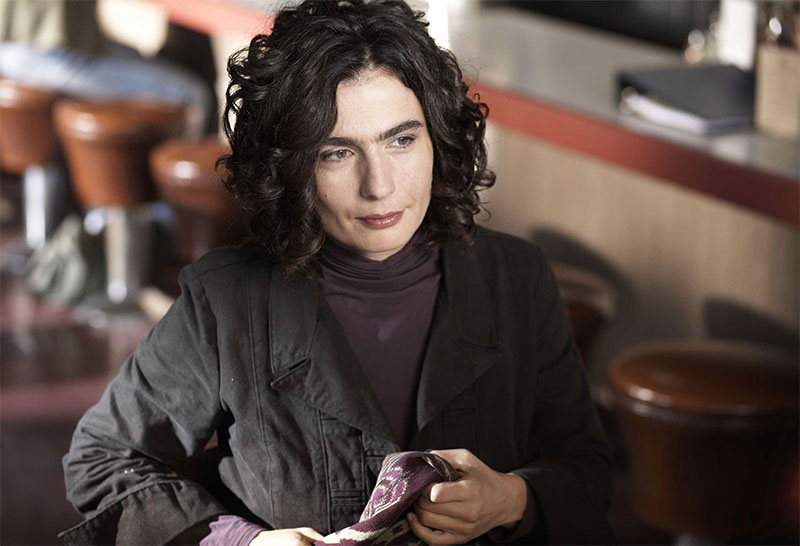
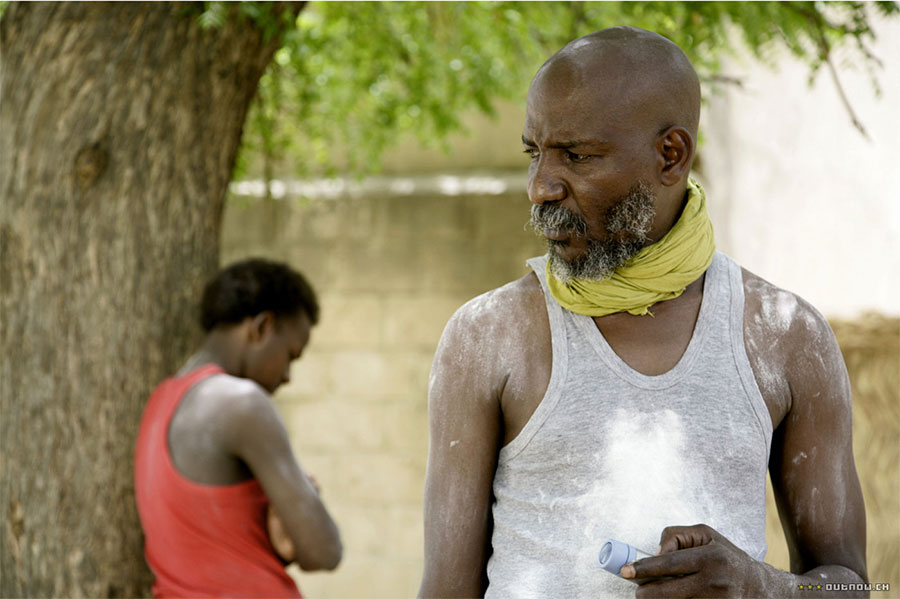
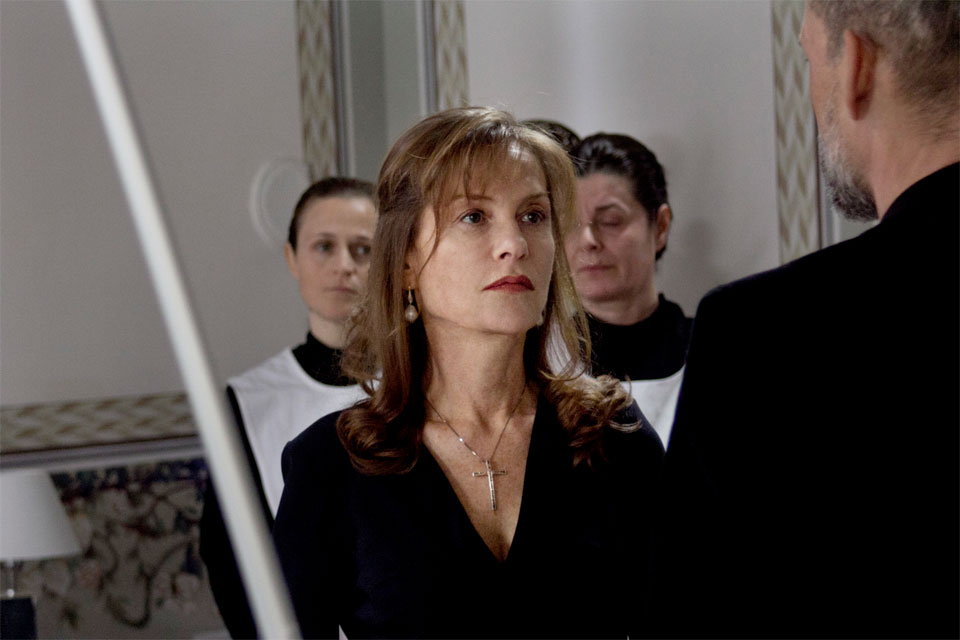
Dormant Beauty (Bellocchio), Something in the Air (Assayas), Berberian Sound Studio (Strickland), Nights with Theodore (Betbeder), and The Last Time I Saw Macao (Rodrigues and Guerra da Mata).
Dormant Beauty (Bellocchio), Something in the Air (Assayas), Berberian Sound Studio (Strickland), Nights with Theodore (Betbeder), and The Last Time I Saw Macao (Rodrigues and Guerra da Mata).
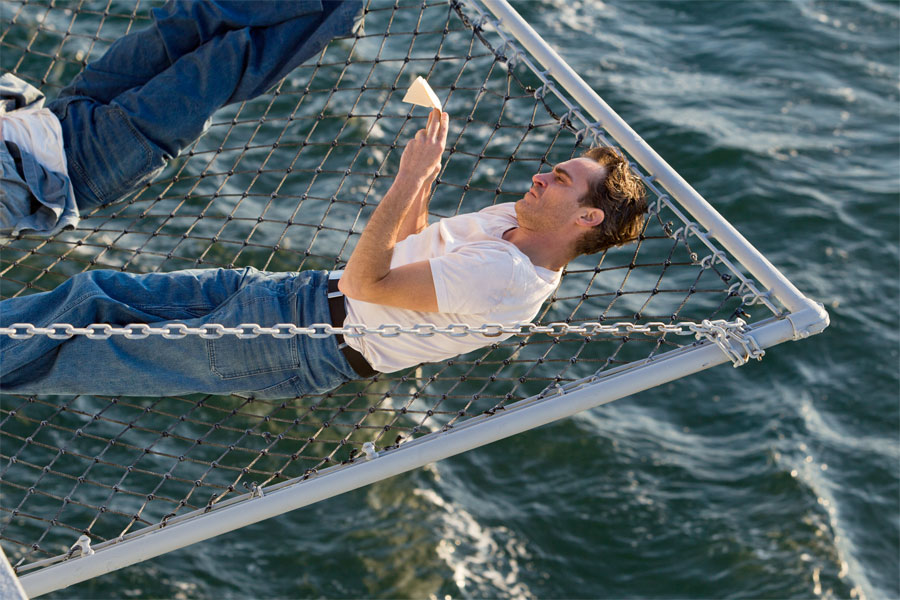
The Master (Anderson), Once Upon a Time Was I, Veronica (Gomes), Birds (Abrantes), and Viola (Piñeiro).
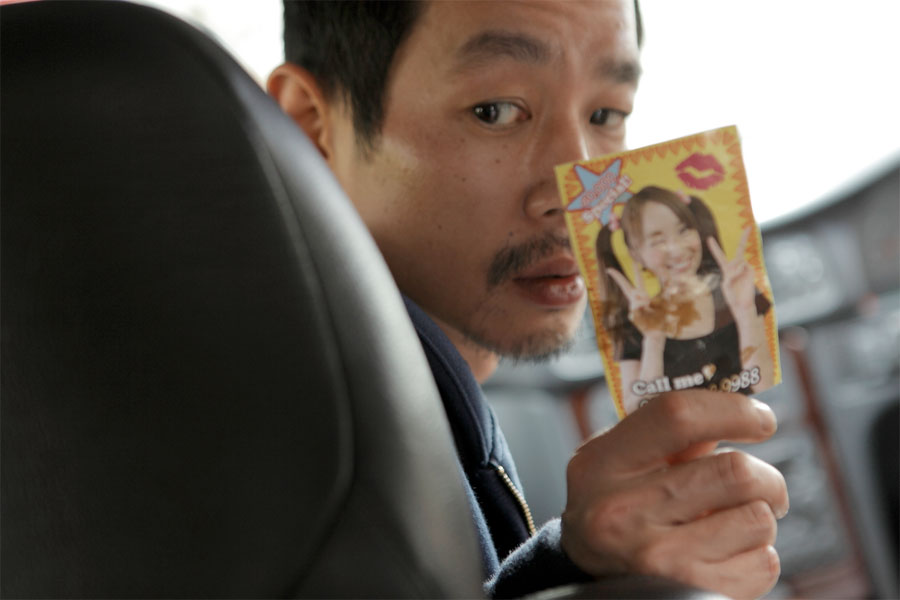
Like Someone in Love (Kiarostami), Far from Vietnam, Tower (Radwanski), and August and After (Dorsky).
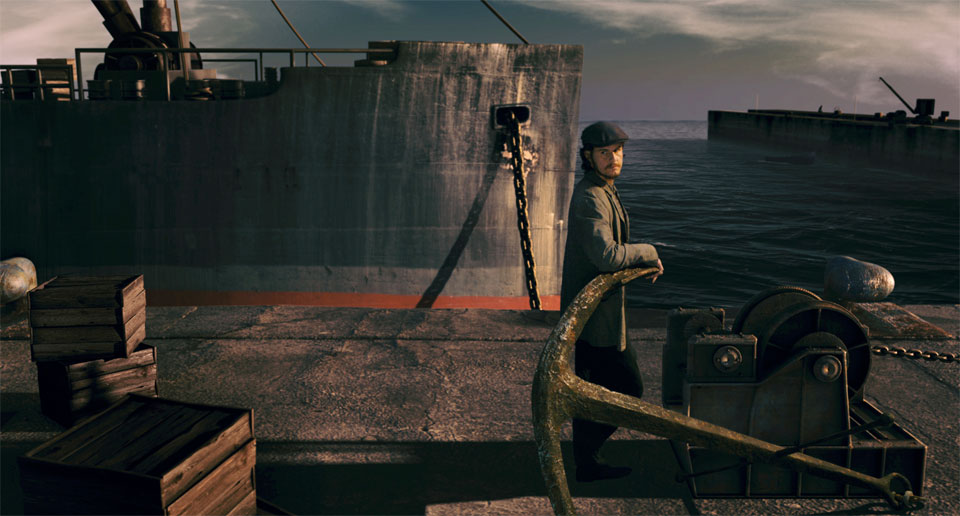
Gebo and the Shadow (de Oliveira), differently, Molussia (Rey), and Night Across the Street (Ruiz).
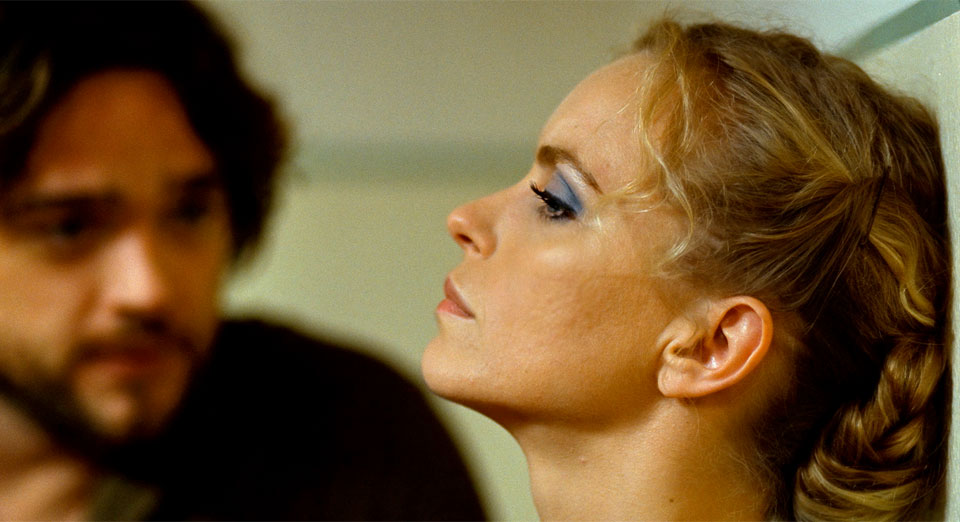
Barbara (Petzold), Mekong Hotel (Apitchatpong), Big in Vietnam (Diop), Sightseers (Wheatley), Student (Omirbayev), and Wavelengths 1.
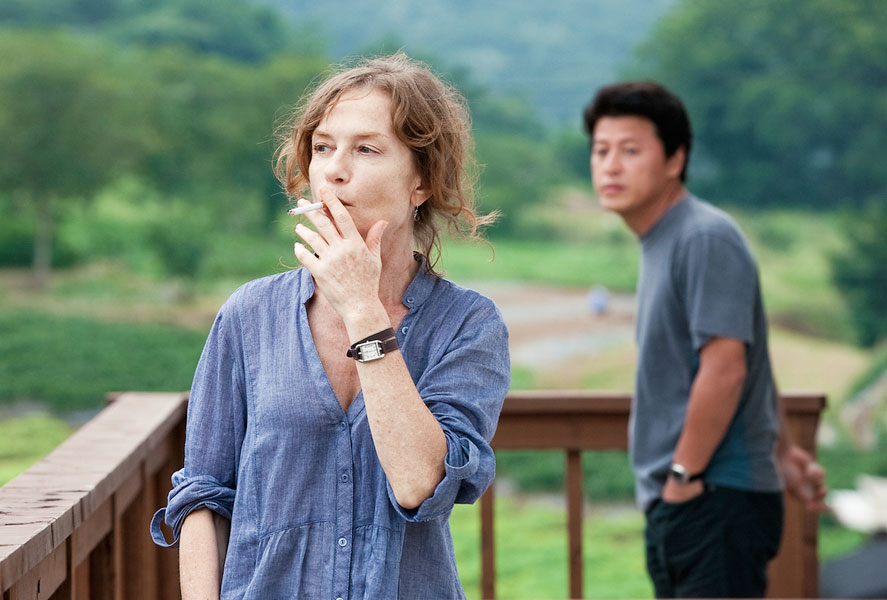
In Another Country (Hong), Laurence Anyways (Dolan), Argo (Affleck), and Tabu (Gomes).
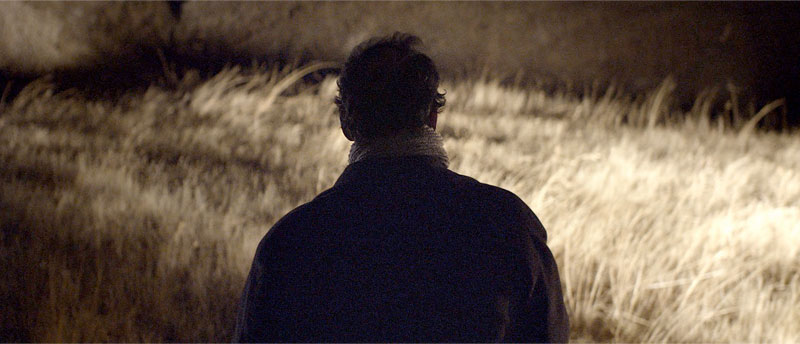
I expected Ceylan to fill 150 minutes with stunning images; I didn’t expect him to deliver what might be my favorite script of the past decade.
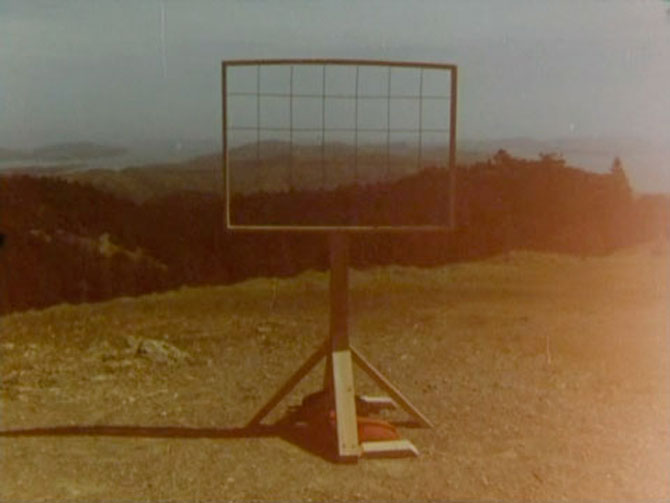
Short responses to Chris Kennedy’s Tamalpais and Josef Dabernig’s Hotel Roccalba.
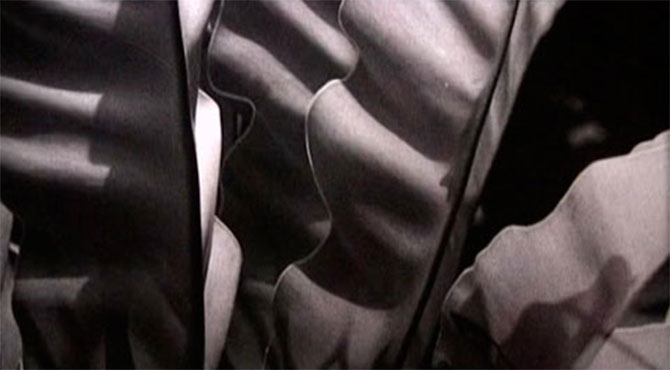
My tendency when describing a film like Lumphini 2552 is to fall back on Modernist rallying cries like that old Ezra Pound chestnut, “Make it new!” Maybe a useful way to think of Nishikawa’s film is as a beautifully defamiliarized — and uniquely cinematic — landscape.
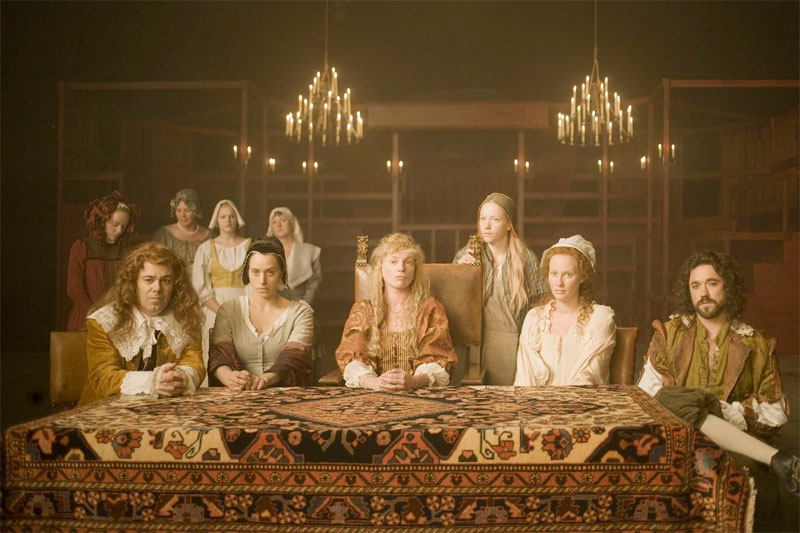
Petter Greenaway’s Rembrandt’s J’Accuse and The Other One by Patrick Mario Bernard and Pierre Trividic.
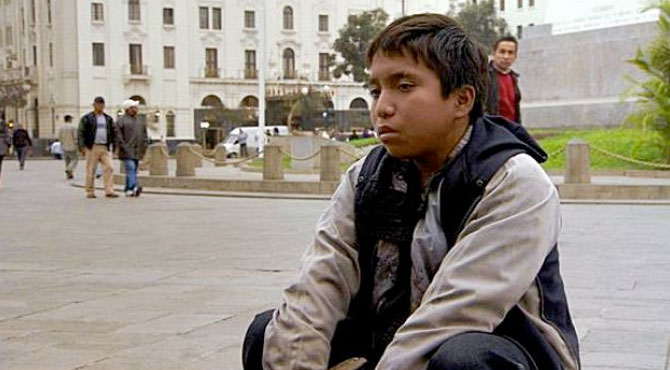
Heddy Honigmann’s Oblivion, Frazer Bradshaw’s Everything Strange and New, Claire Denis’s 35 Shots of Rum (yes, again), Javor Gardev’s Zift, and Mikheil Kalatozishvili’s Wild Field.
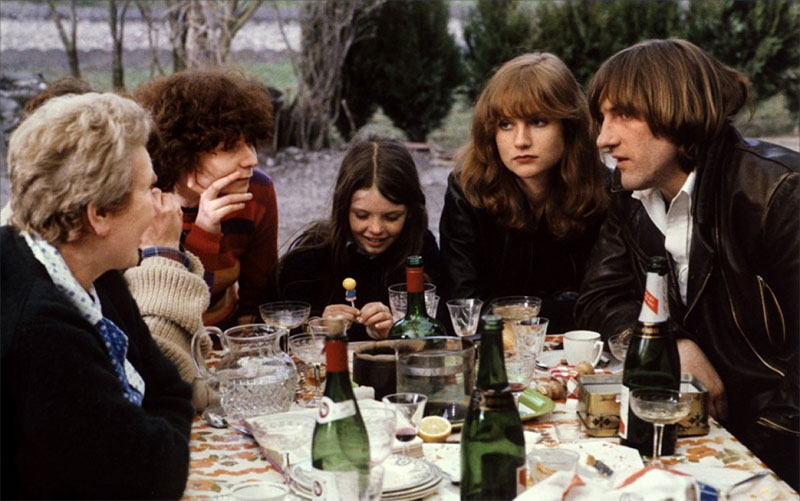
Short responses to films by Maurice Pialat, William Friedkin, Louis Malle, Paul Schrader, Nicolas Roeg, Mike Leigh, and Michel Deville.

This essay was originally published at Senses of Cinema.
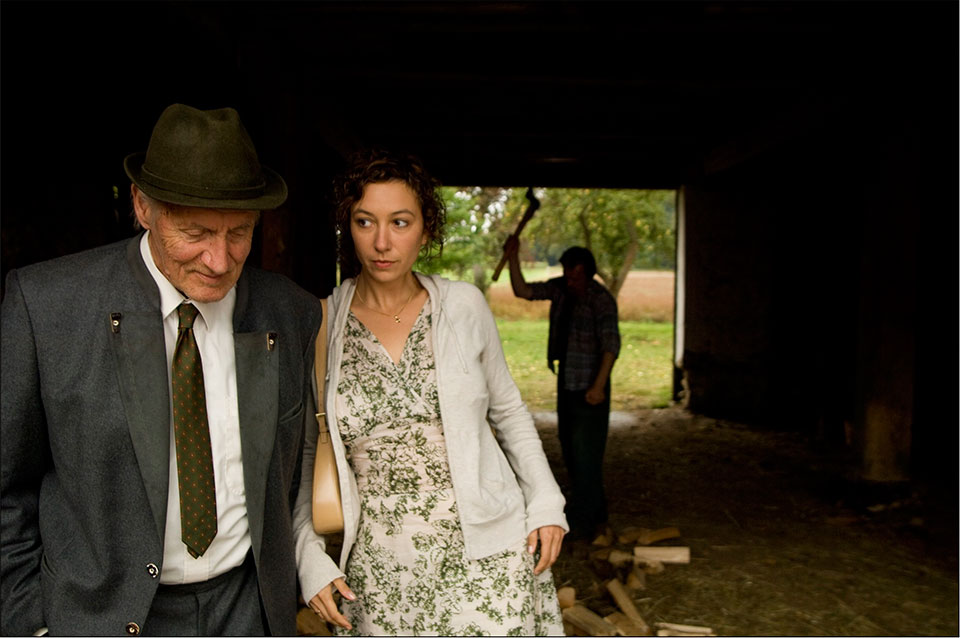
I’ve developed a lazy habit of saying that I don’t particularly care what a film is about; I care what it does formally. But, while well-directed and wonderfully performed, the standout feature of Gotz Spielmann’s Revanche is the story, which, particularly over the last 80 minutes, is perfectly constructed.
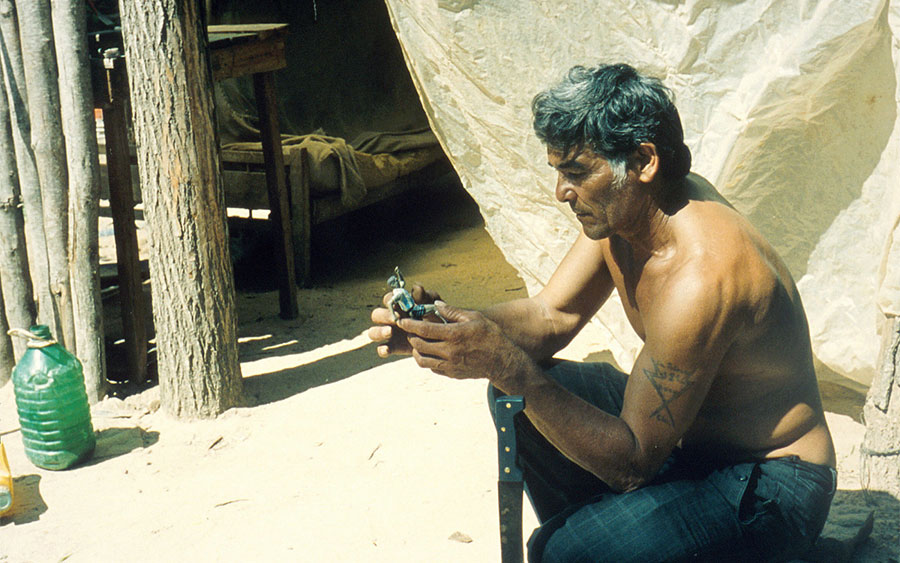
What fascinates me about Los Muertos is that it explores the connection between form and content by taking all of the tropes of “transcendental cinema” and staining them, by narrative means, with dread and violence. It reminds me of Brian Eno’s answer (apocryphal, perhaps) when he was asked if he was the father of New Age music: “No, my music has evil in it.”
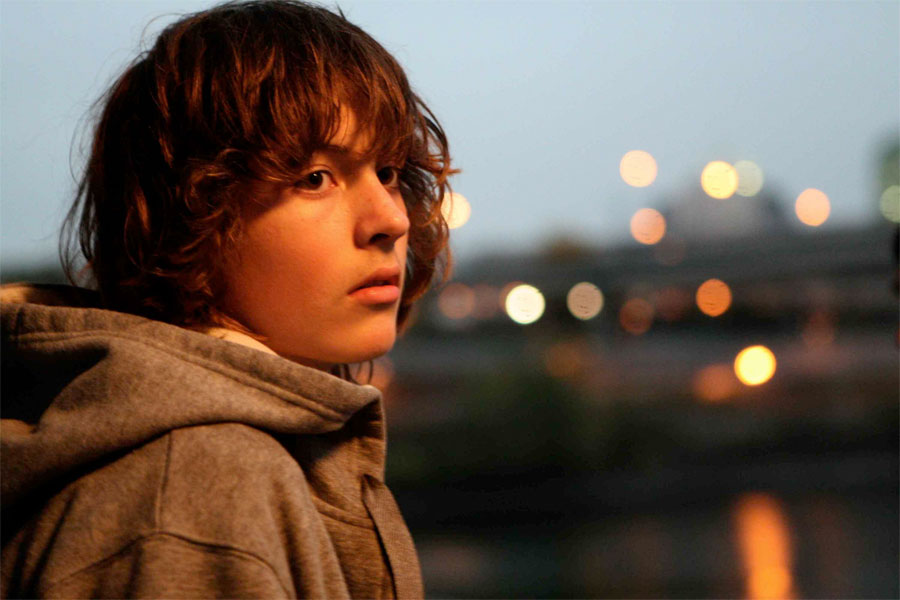
Gus Van Sant’s Paranoid Park, Lee Kang-sheng’s Help Me Eros, Nanouk Leopold’s Wolfsbergen, and Alessandro Capone’s L’Amour Cache.
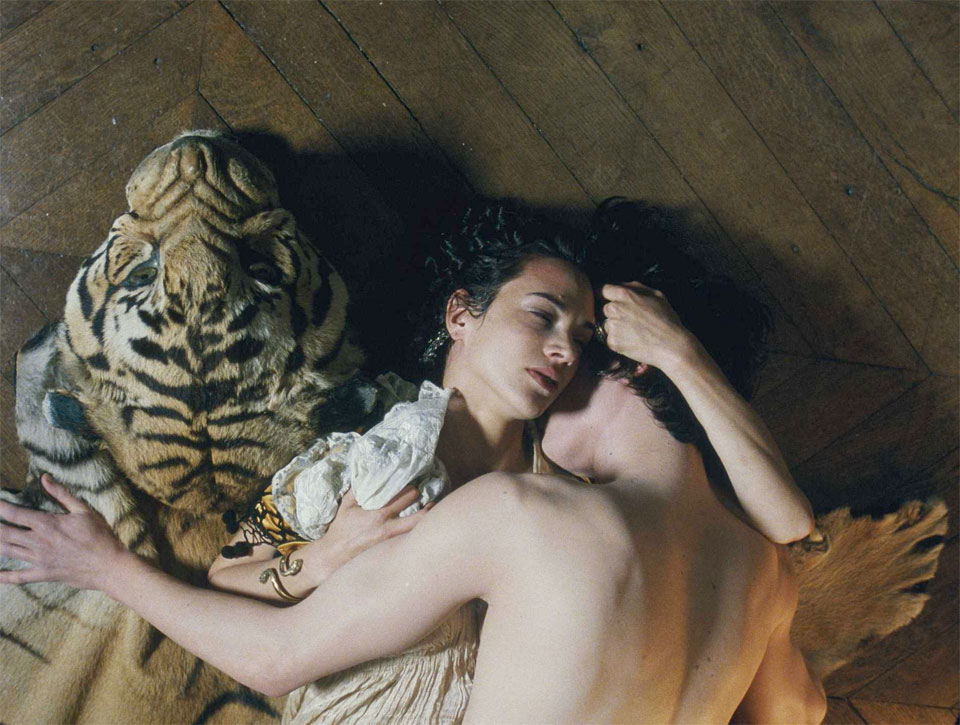
Catherine Breillat’s Une vieille maitresse, Brian De Palma’s Redacted, and Jose Luis Guerin’s Dans la ville de Sylvie.

Carlos Reygadas’s Silent Light, Bernard Emond’s Contre Toute Esperance, and Celine Sciamma’s Naissance des pieuvres.
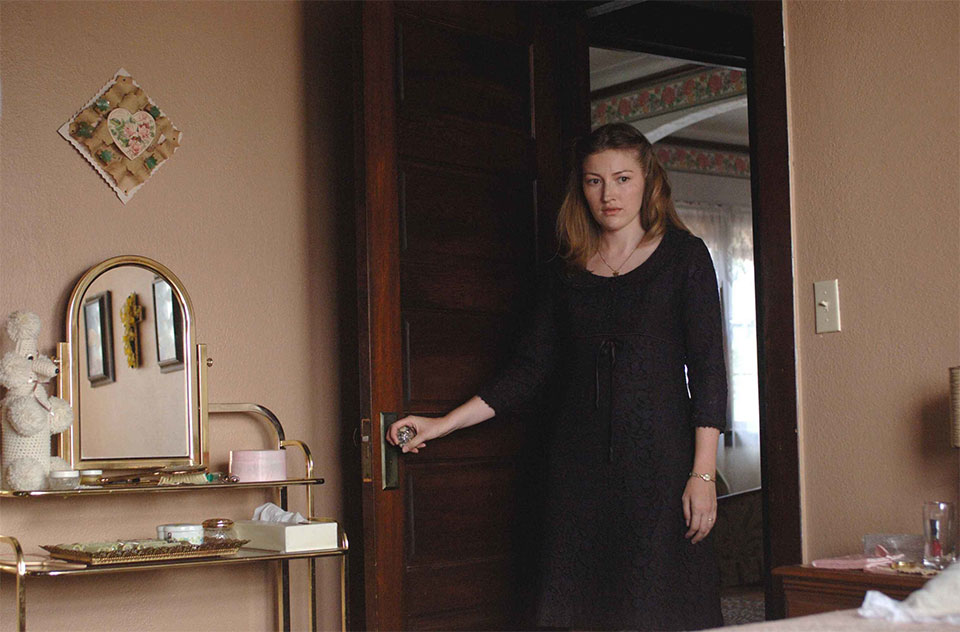
The Coen brothers’ No County for Old Men, Anahi Berneri’s Encarnacion, Shekhar Kapur’s Elizabeth: The Golden Age, and Bruce McClure’s Everytwo Circumflicksrent…Page 298.
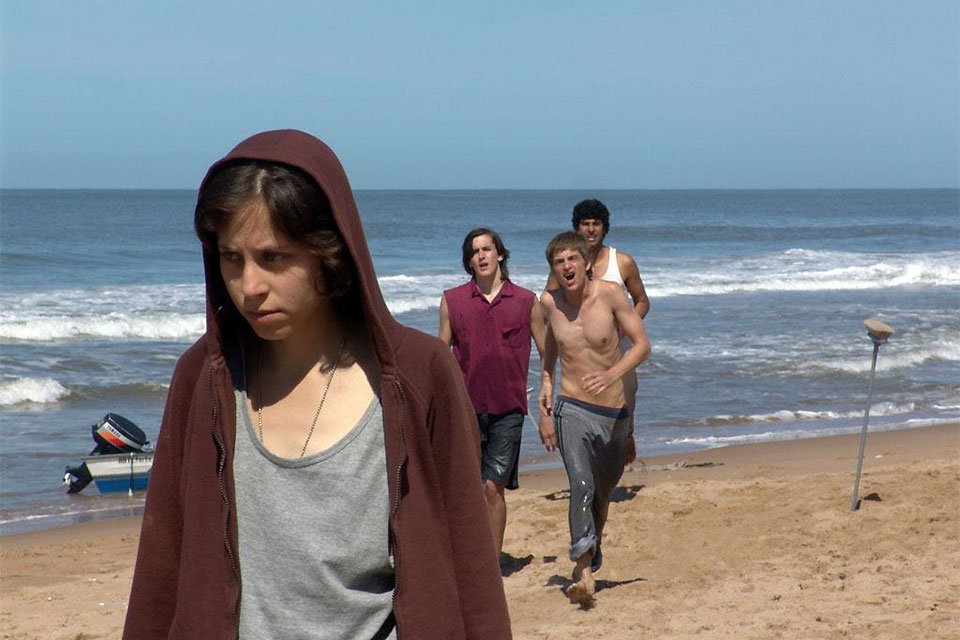
Lucia Puenzo’s XXY, Lee Chang-dong’s Secret Sunshine, Saverio Costanzo’s In Memory of Myself, Hannes Schupbach’s Erzahlung, and Heinz Emigholz’s Schindler’s Houses.

Marjane Satrapi’s Persepolis, Wang Bing’s Fengming, A Chinese Memoir, Hou Hsiao-hsien’s Le Voyage du Ballon Rouge, Peter Hutton’s At Sea, and Sandra Kogut’s Mutum.
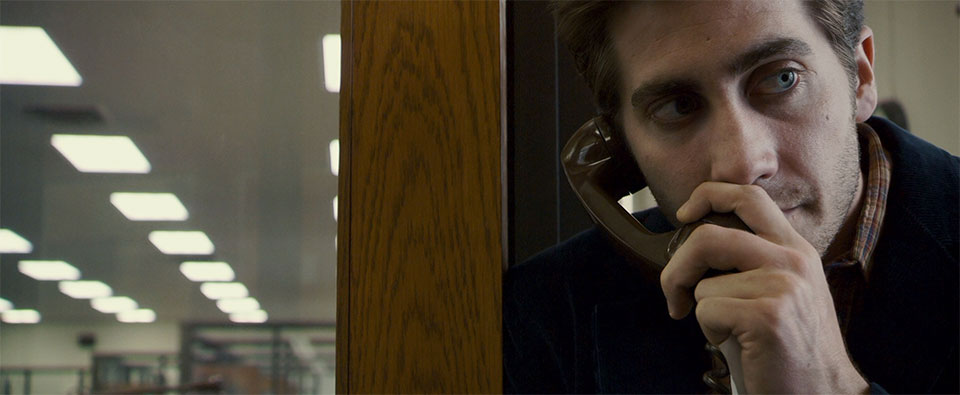
David Fincher’s Zodiac is absolutely haunted by the specter of technology and by the present-day confidence we have in its objectivity.
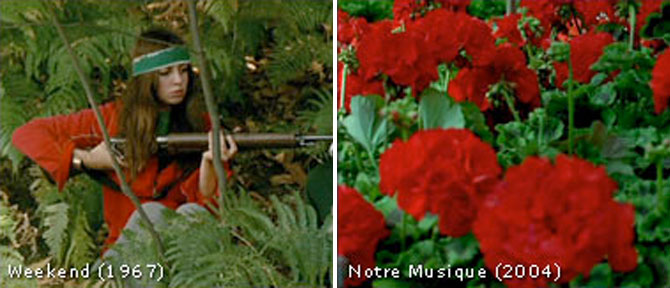
A throwaway observation: The many reviewers who have described act 3 of Notre Musique as “pastoral” and “lyrical” are projecting their own desires onto it.
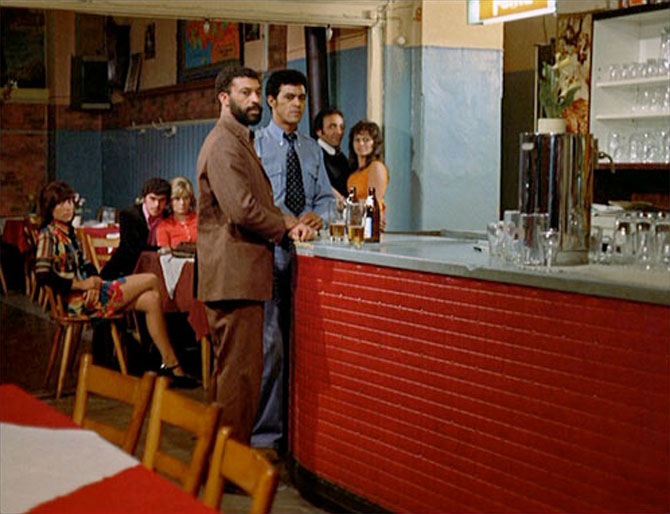
Last night I watched Ali: Fear Eats the Soul (1974) for the first time in six or seven years. I’m relatively unfamiliar with Fassbinder and have never had much of a sense of his style. What struck me last night was how avant-garde, formally, Ali is.
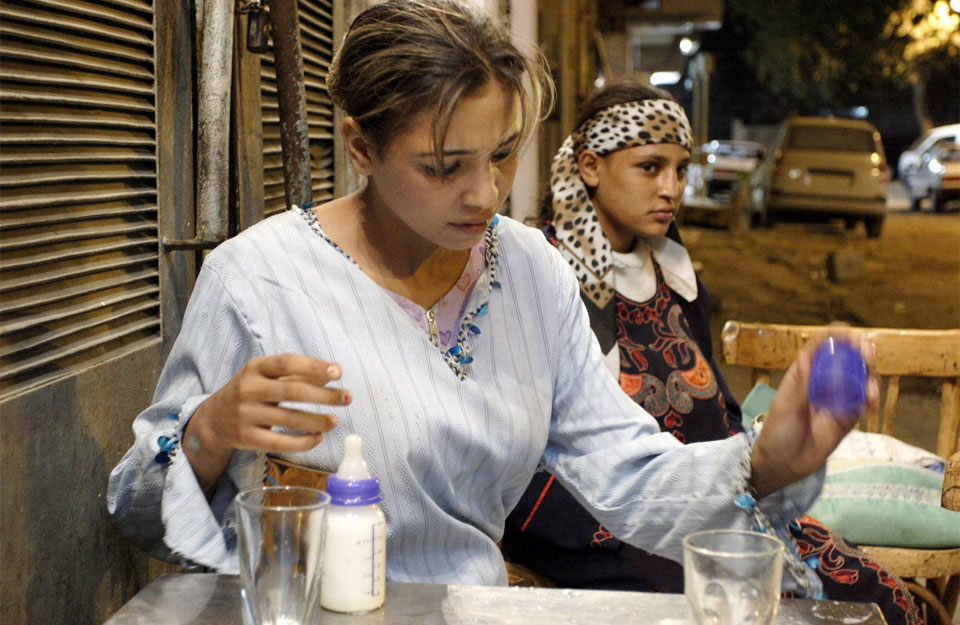
These Girls is a difficult film to watch. Rached avoids over-sentimentalizing her subject, and, frankly, the girls have been hardened to the point that, at times, I found it difficult to muster the appropriate sympathy for them. (I say that with embarrassment.)
Perhaps it’s simply the inevitable result of paring down my schedule from 44 films in 2005 (only 35 of which I actually saw) to “only” 33 this year, but my sense while researching and planning over the past weeks was that TIFF’s lineup is stronger, top to bottom, this time around than in previous years.

When I was aware of Winterbottom’s mise-en-scene at all, I was frustrated by its haphazardness — odd cuts are scotchtaped together by forced music cues, the camera jumps too often into the subjective perspective of unimportant characters (an after-the-fact narrative justification for Winterbottom’s use of a hand-held, I suspect), and the central story gets lost in the noise of several side-plots.