Horse Money (2014)
In 2007, soon after a screening of Pedro Costa’s Colossal Youth at the San Francisco International Film Festival, I went for a long walk through Golden Gate Park and decided on a whim to explore… Horse Money (2014)
In 2007, soon after a screening of Pedro Costa’s Colossal Youth at the San Francisco International Film Festival, I went for a long walk through Golden Gate Park and decided on a whim to explore… Horse Money (2014)
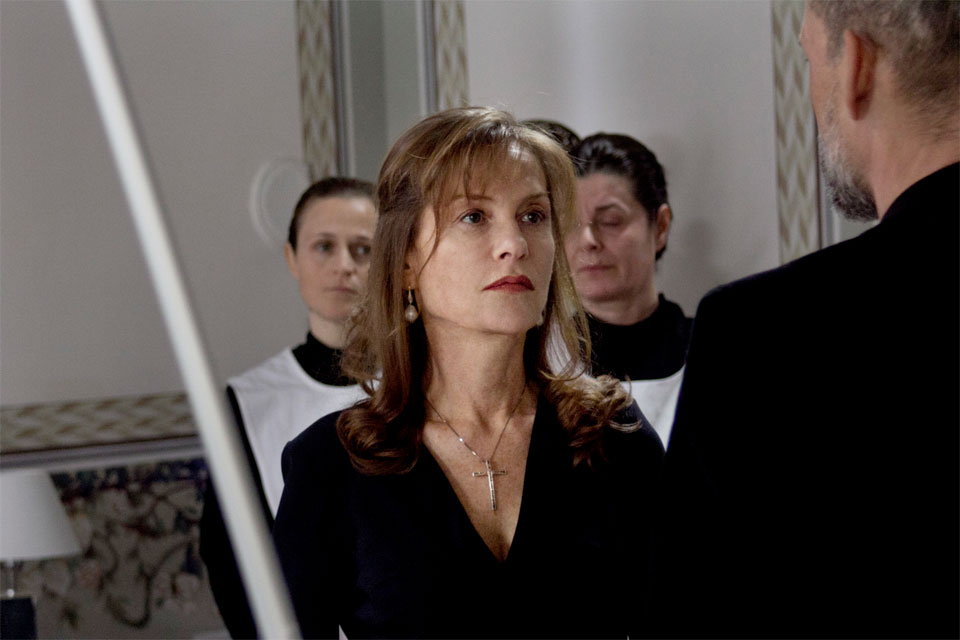
Dormant Beauty (Bellocchio), Something in the Air (Assayas), Berberian Sound Studio (Strickland), Nights with Theodore (Betbeder), and The Last Time I Saw Macao (Rodrigues and Guerra da Mata).
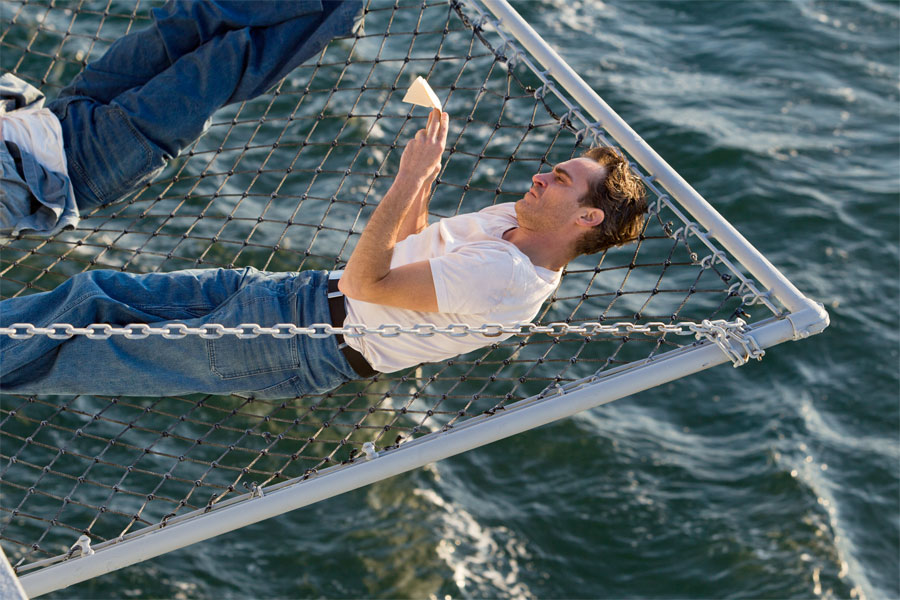
The Master (Anderson), Once Upon a Time Was I, Veronica (Gomes), Birds (Abrantes), and Viola (Piñeiro).
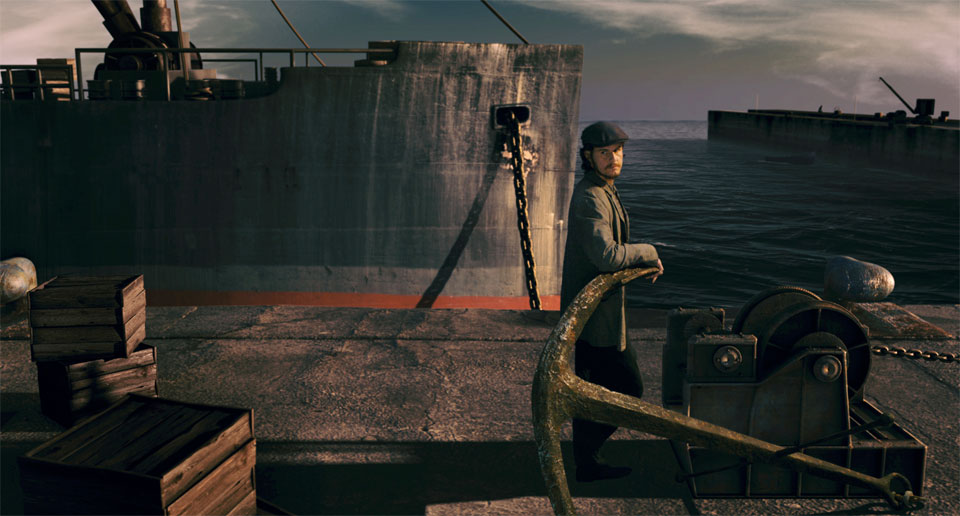
Gebo and the Shadow (de Oliveira), differently, Molussia (Rey), and Night Across the Street (Ruiz).
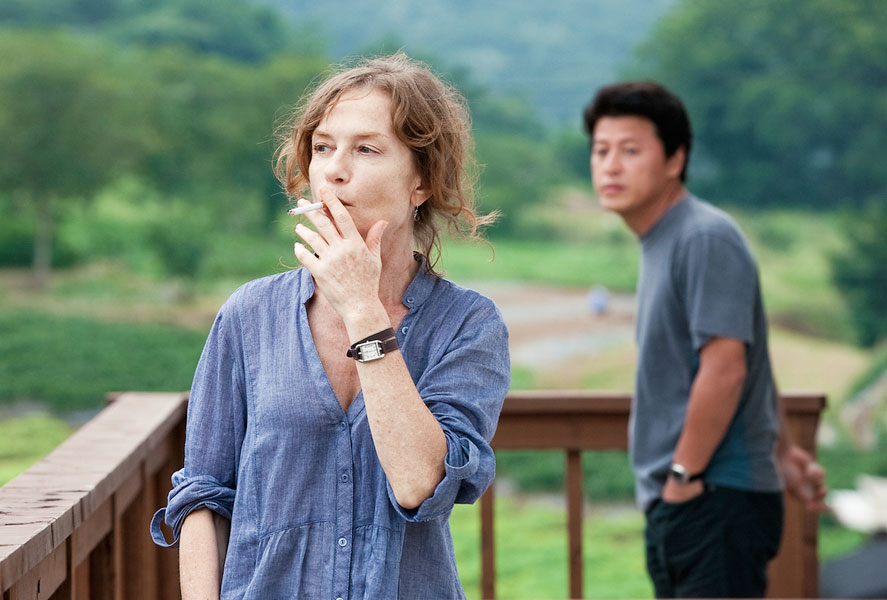
In Another Country (Hong), Laurence Anyways (Dolan), Argo (Affleck), and Tabu (Gomes).
This essay was originally published in Faith and Spirituality in Masters of World Cinema (2008), edited by Kenneth Morefield for Cambridge Scholars Publishing.
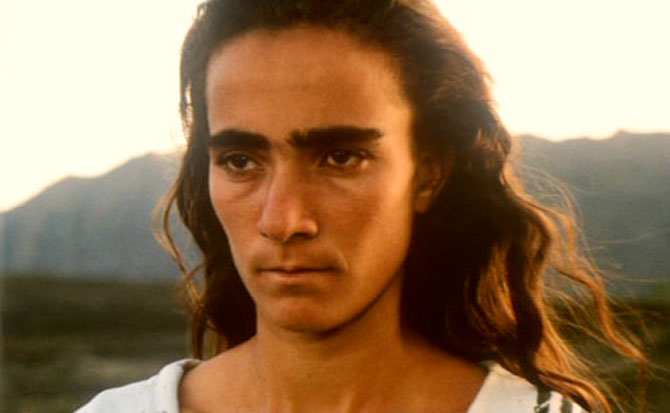
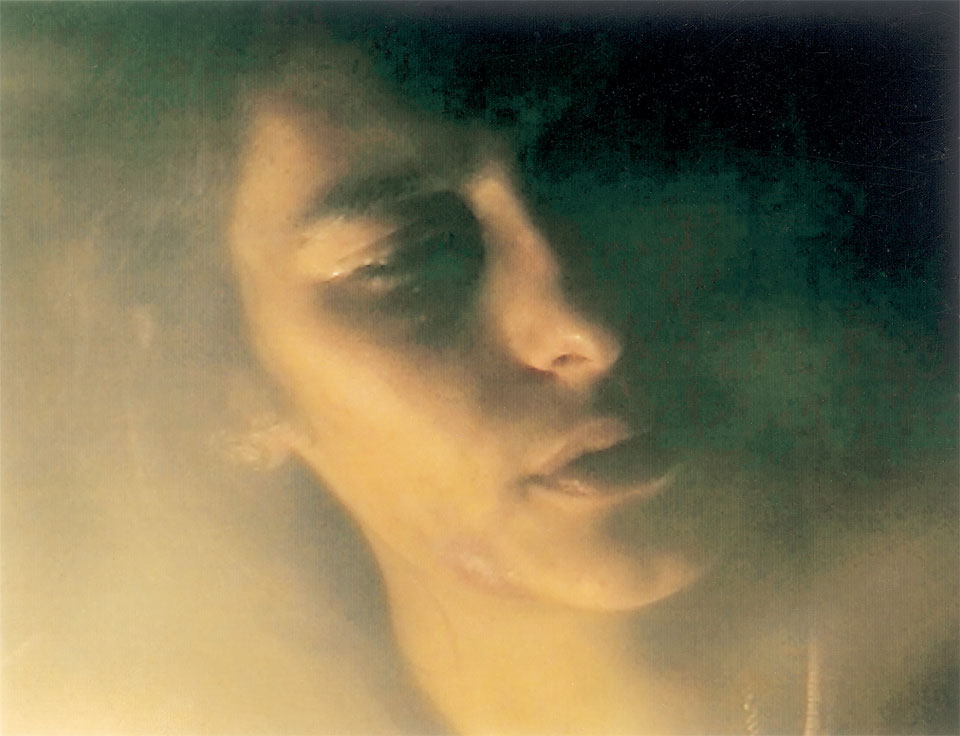
Pedro Costa’s second feature, Casa de Lava, opens with a barrage of arresting juxtapositions. The first few minutes pass in complete silence as we watch the simple white-on-black credits, followed by a montage of volcanoes.
Nearly all of the press coverage of Colossal Youth has been accompanied by the same low-angle shot of Ventura, the film’s protagonist. He’s an elderly man, tall and thin. In this particular image, we see little of his face — just one eye peering over his right shoulder. The photo is dominated, instead, by the stark lines and sharp angles of a newly-constructed, State-funded tenement high-rise that blots out the sky behind him.