Retelling Stories: Jia Zhangke on Swimming Out Till the Sea Turns Blue
This interview was originally published at Mubi.
This interview was originally published at Mubi.
This interview was originally published at Mubi.
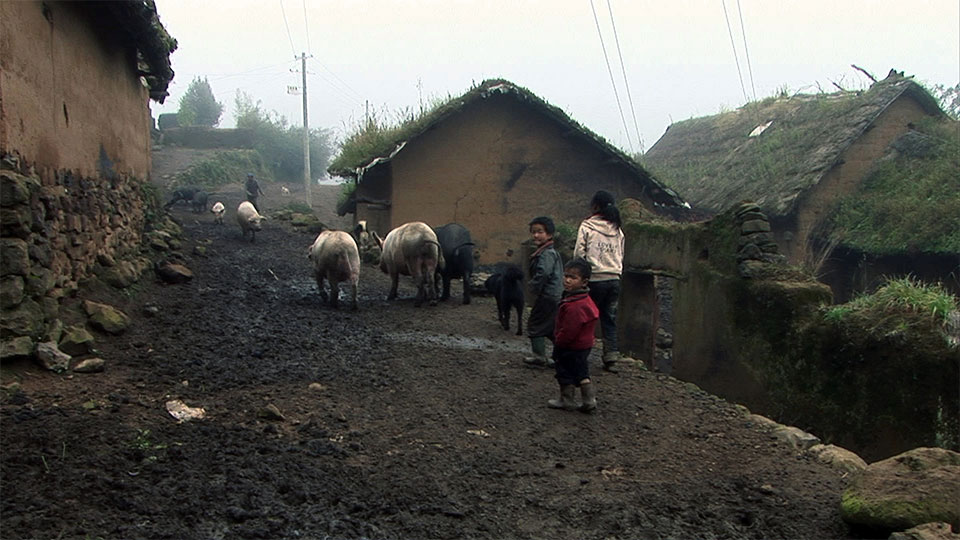
Wang introduced Three Sisters as “a simple film” that “might be too long.” I appreciate his humility (a hallmark of his filmmaking, too), but I think he’s wrong on both counts. There’s nothing simple about this precise assemblage of footage collected during several visits to the girls’ remote farming village, and the length of the film is, in fact, essential to its success.
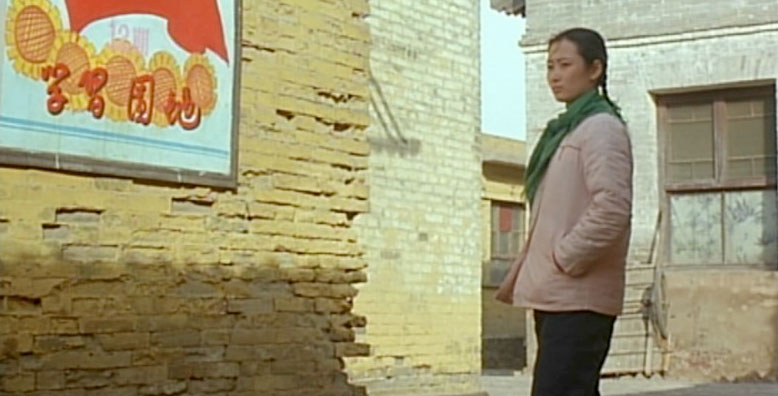
With so many directors now throwing in their cameras with the “single-shot scenes from a fixed position” school of filmmaking, there’s a growing problem for those of us who believe that a fundamental job of critics is to accurately describe what we see. Films built almost entirely from images that would have been described traditionally as “establishing shots” beg the question: How does one describe and evaluate this kind of montage (if that’s even the right word)?
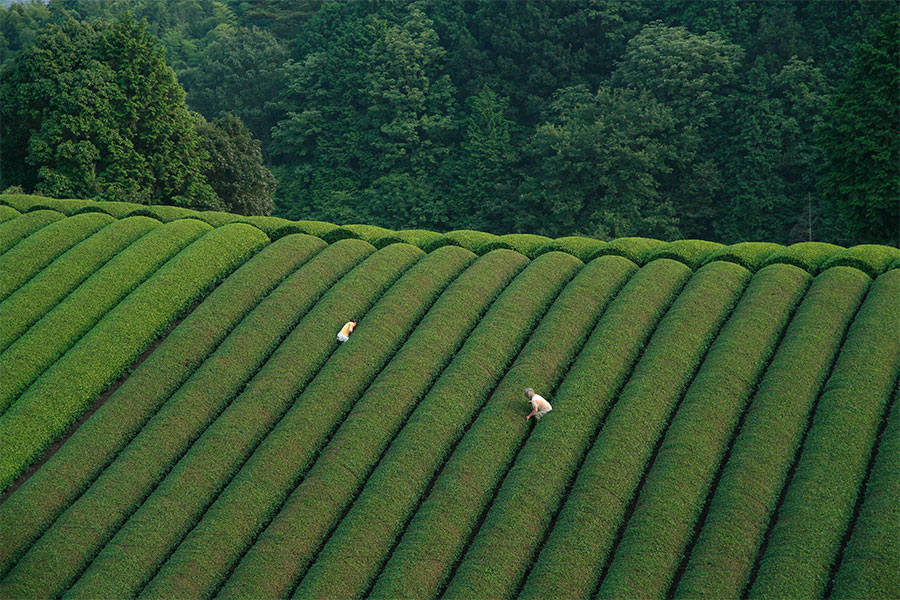
Naomi Kawase’s Mourning Forest, Bela Tarr’s The Man from London, Jia Zhang-ke’s Useless, John Gianvito’s Profit Motive and the Whispering Wind, and Ute Aurand and Maria Lang’s The Butterfly in Winter.
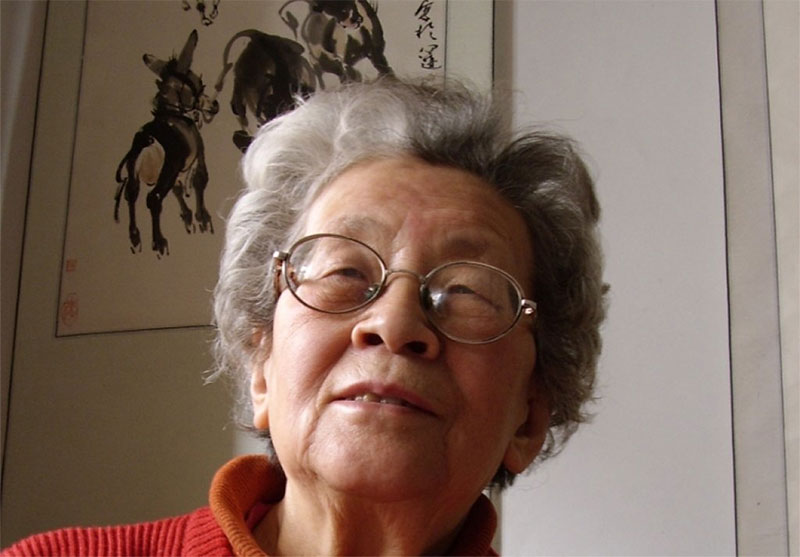
Marjane Satrapi’s Persepolis, Wang Bing’s Fengming, A Chinese Memoir, Hou Hsiao-hsien’s Le Voyage du Ballon Rouge, Peter Hutton’s At Sea, and Sandra Kogut’s Mutum.
Some days I fantasize about giving up on this dissertation. Mostly I want my free time back. I want to walk into a library and choose a book that has nothing to do with Cold War history or American literature.