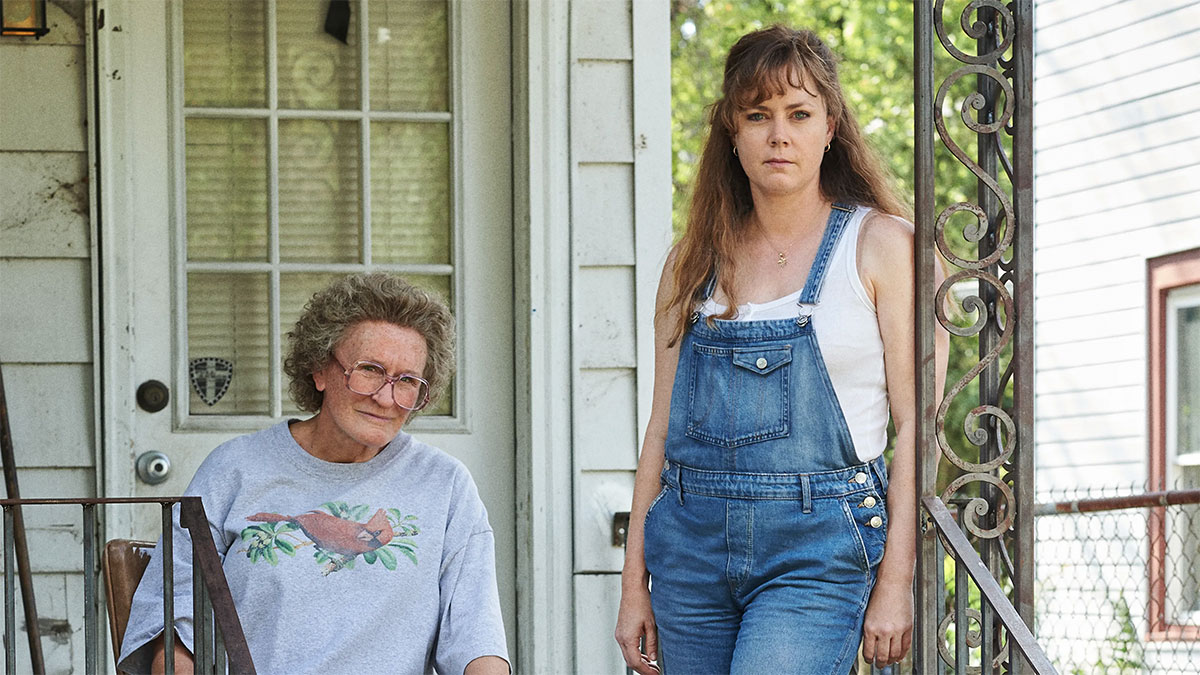

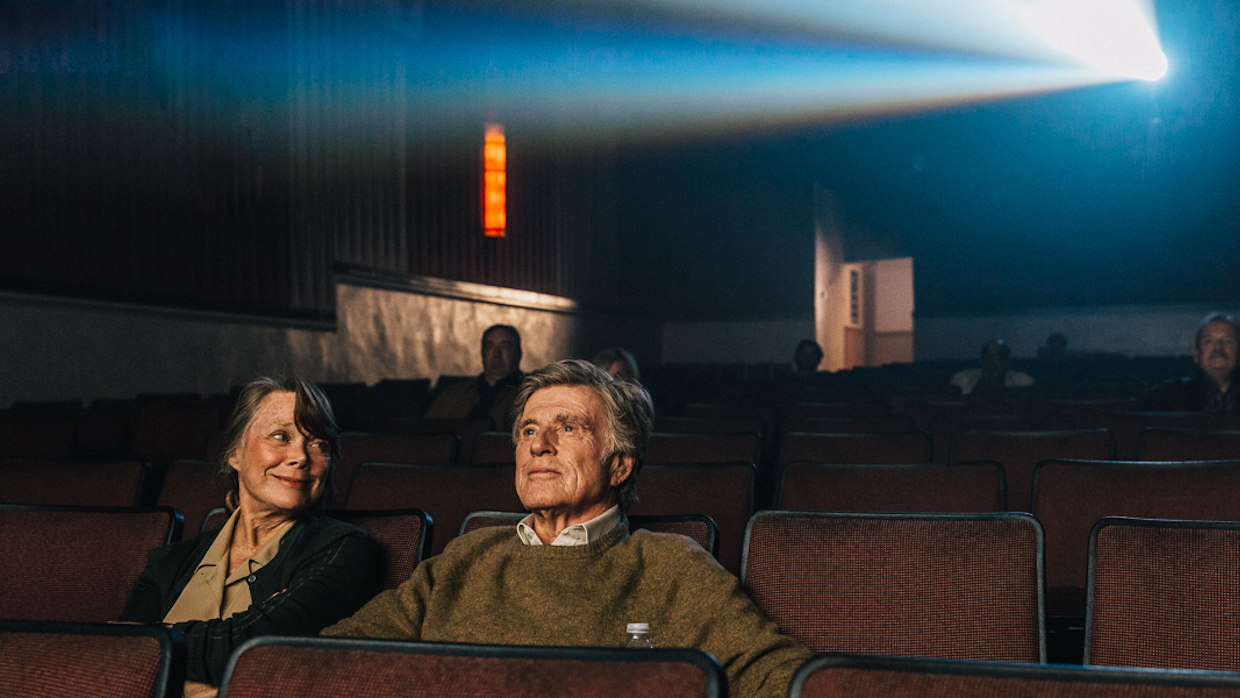

Committed to Paper: Writer/Director Paul Schrader on First Reformed
This interview was originally published at Filmmaker.
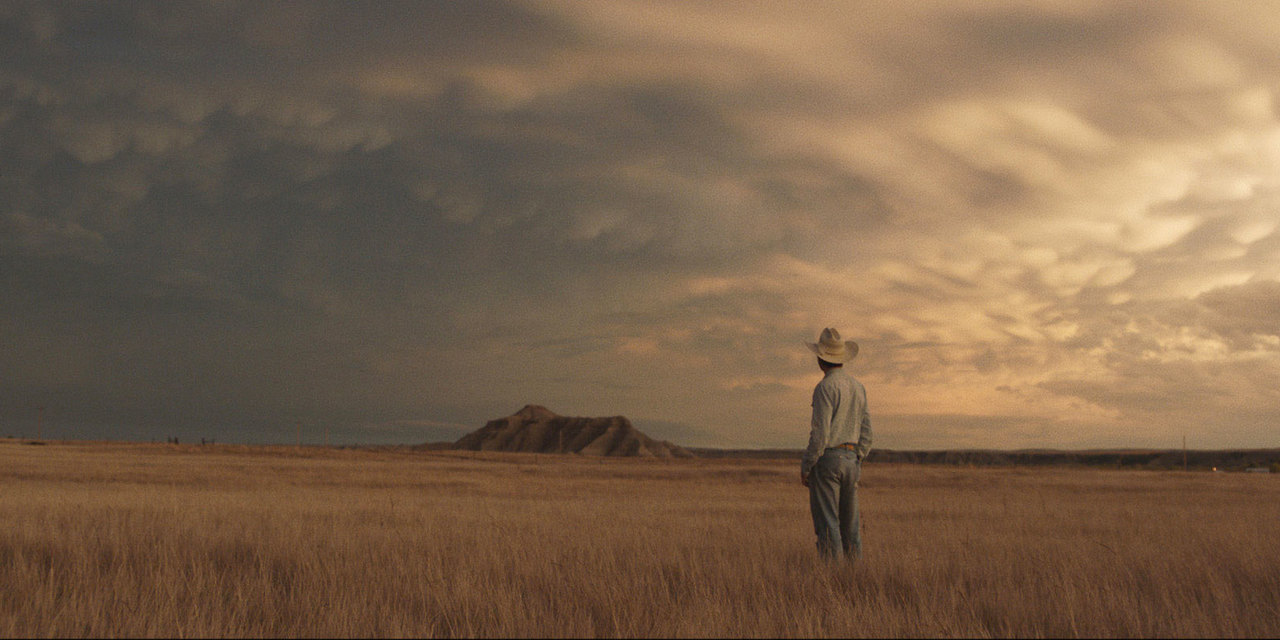

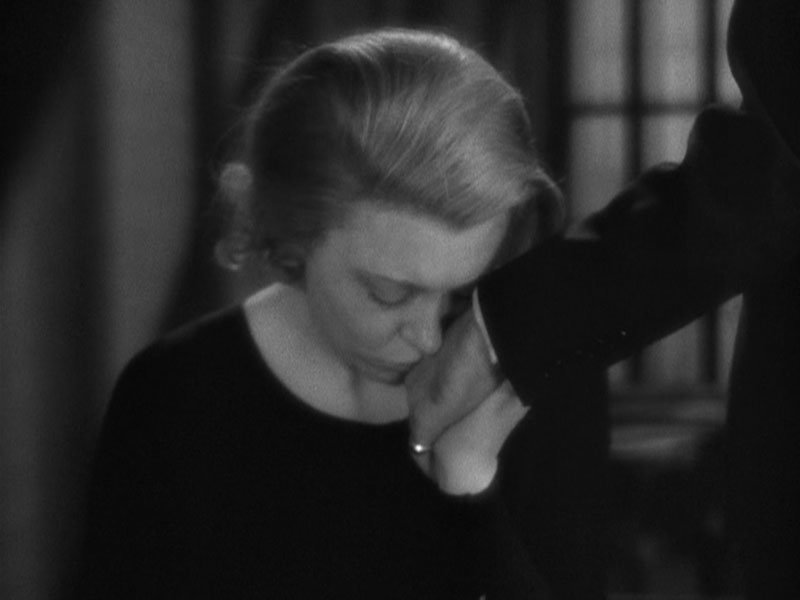
Looking at Women: William A. Wellman’s Style in Frisco Jenny and Midnight Mary
This essay was originally published at Mubi.
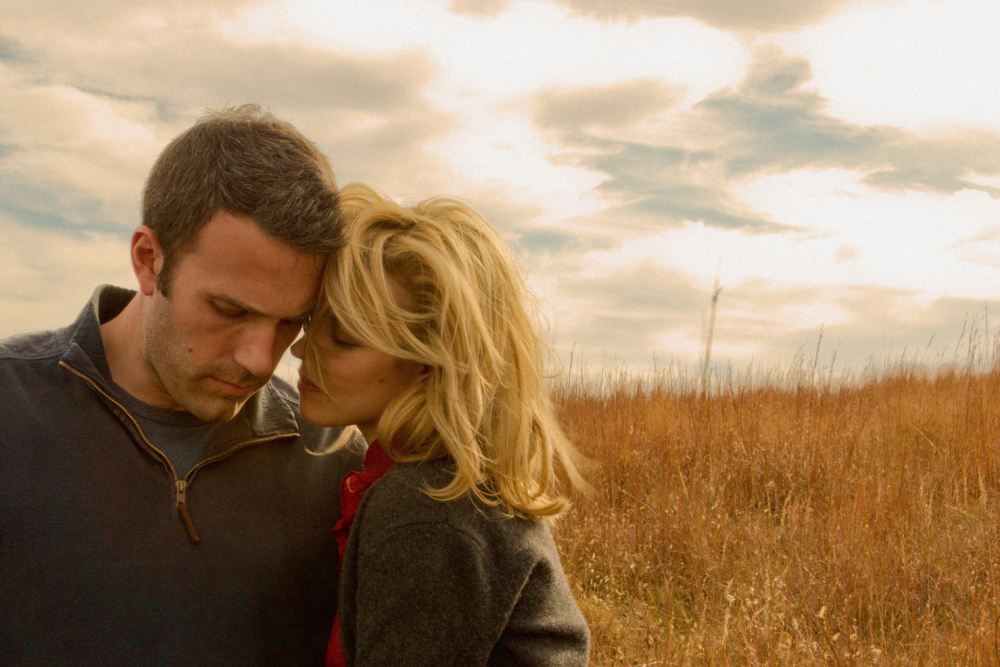
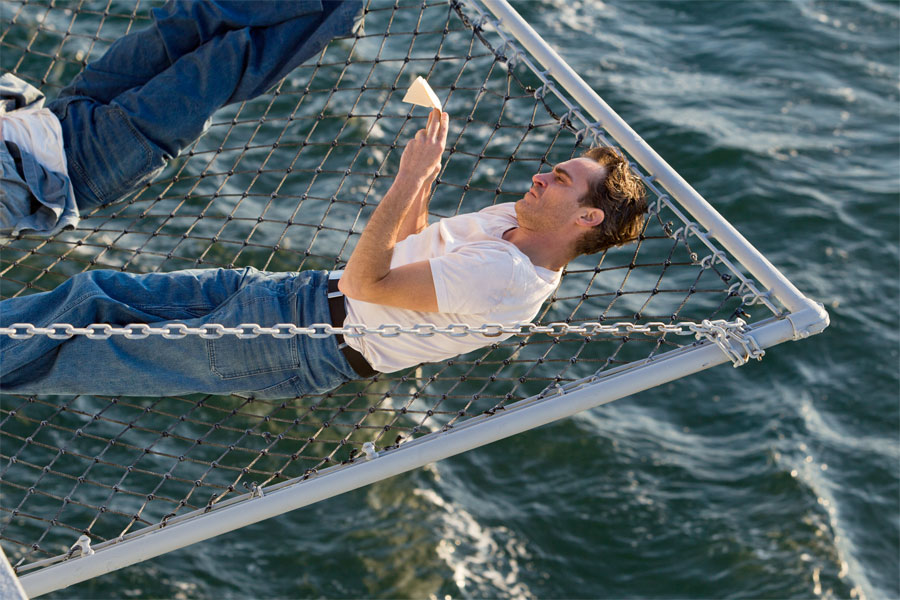
TIFF 2012 – Day 5
The Master (Anderson), Once Upon a Time Was I, Veronica (Gomes), Birds (Abrantes), and Viola (Piñeiro).

TIFF 2012 – Day 4
Like Someone in Love (Kiarostami), Far from Vietnam, Tower (Radwanski), and August and After (Dorsky).
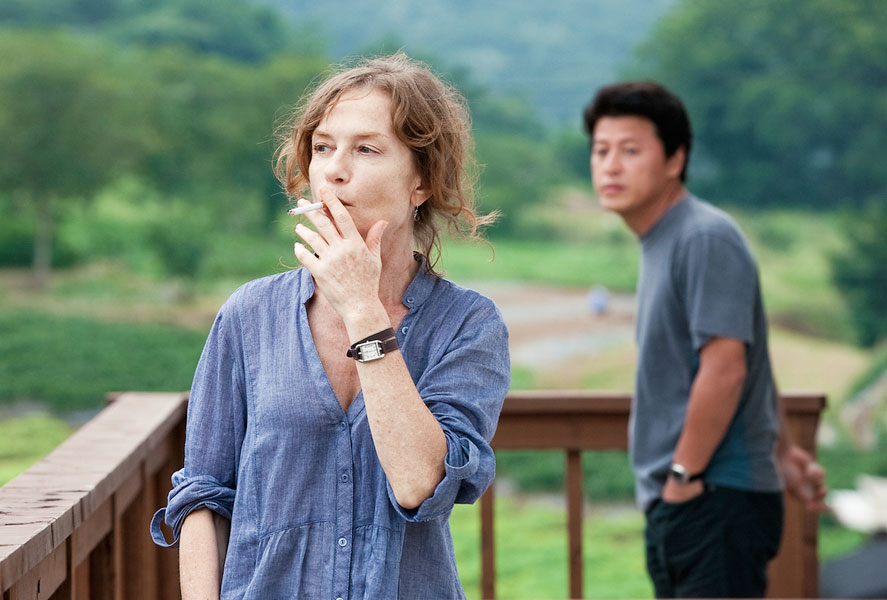
TIFF 2012 – Day 1
In Another Country (Hong), Laurence Anyways (Dolan), Argo (Affleck), and Tabu (Gomes).
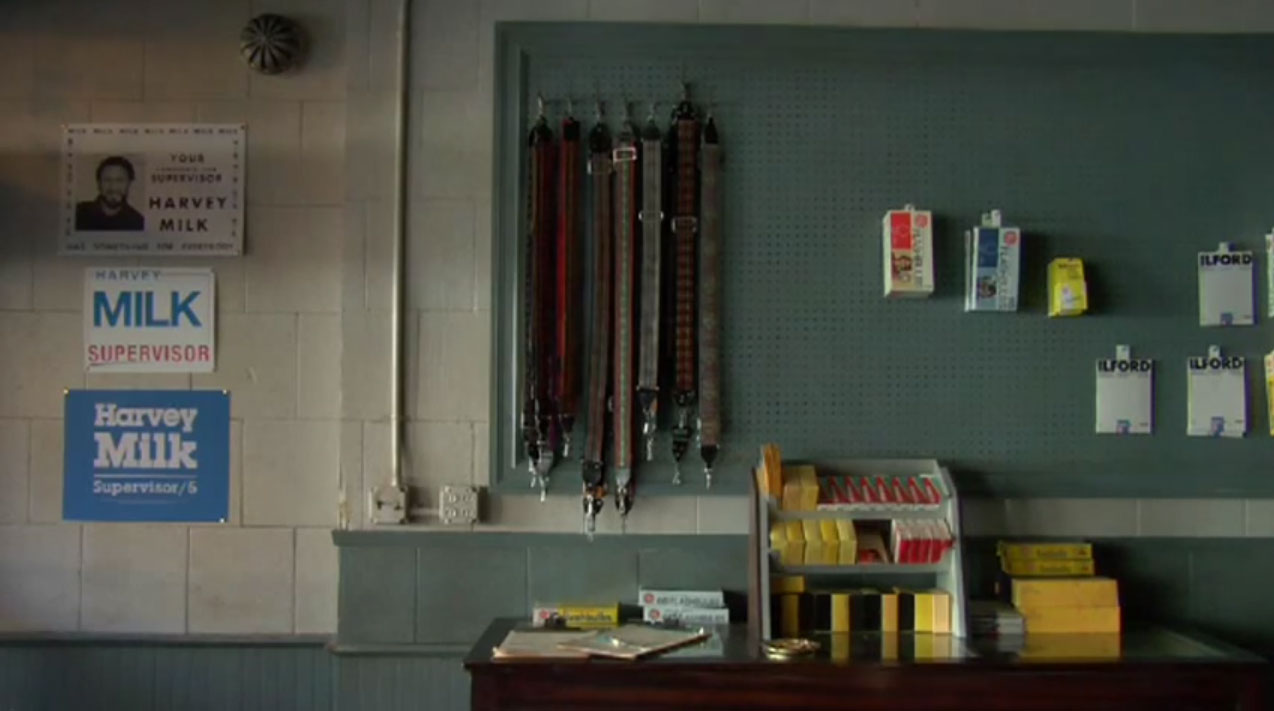
575 Castro St.
When I spoke to Olson after the screening, she told me how overwhelming it was to visit the set, to listen to Milk’s voice, and to know that it was here — right here — that he contemplated his imminent murder. She’s translated that experience well to her film, which is ghostly and deeply moving. But, of course, it wasn’t right here that Milk made his tape. This is a meticulously dressed set.
2009 SFIFF Diary 2
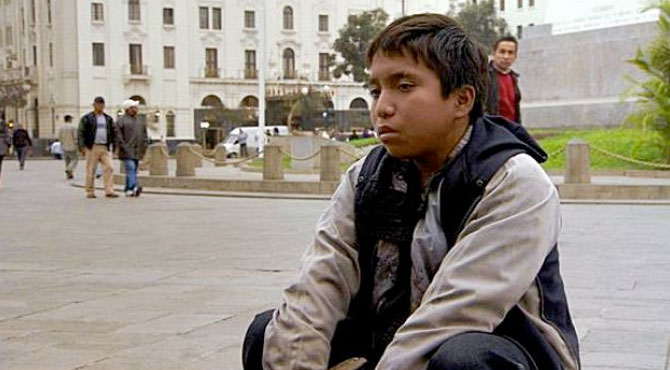
Heddy Honigmann’s Oblivion, Frazer Bradshaw’s Everything Strange and New, Claire Denis’s 35 Shots of Rum (yes, again), Javor Gardev’s Zift, and Mikheil Kalatozishvili’s Wild Field.
Films of the ’80s (part 1)
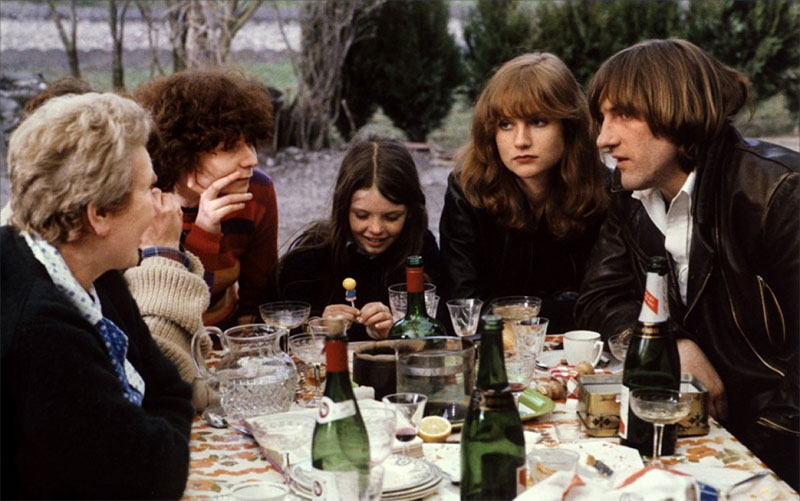
Short responses to films by Maurice Pialat, William Friedkin, Louis Malle, Paul Schrader, Nicolas Roeg, Mike Leigh, and Michel Deville.
A Death in the Family (1957)
I just found this intro to an essay I never wrote and thought the quotes were worth posting.

St. Nick (2009)
American “regional” cinema (again with the ironic scare quotes), especially that of the indie variety, has an unfortunate tendency to come off like tourism, in the sense that the camera is too often set up in front of objects that only reinforce our preexisting sense of the place. “The South,” for example, is often reduced to a now-vacant and picturesque block of what was once a small town’s main street before the interstate and Wal-Mart moved in.
The Unknown (1927)
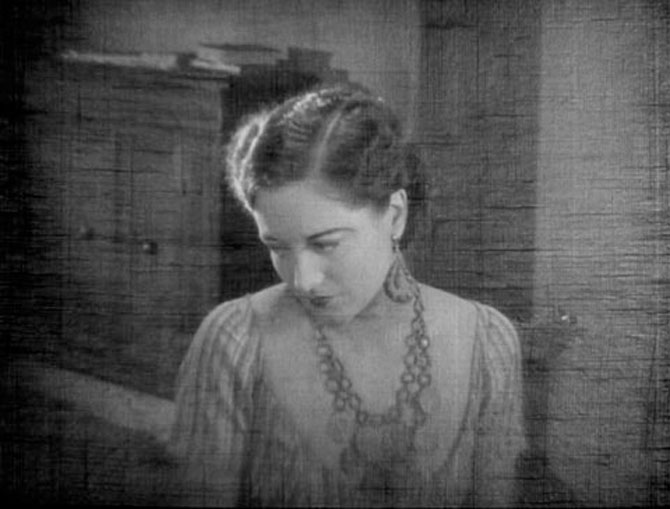
Melodrama is a matter of narrative and performance style, of course, but, particularly in silent cinema, the core of melodrama is mise-en-scene.
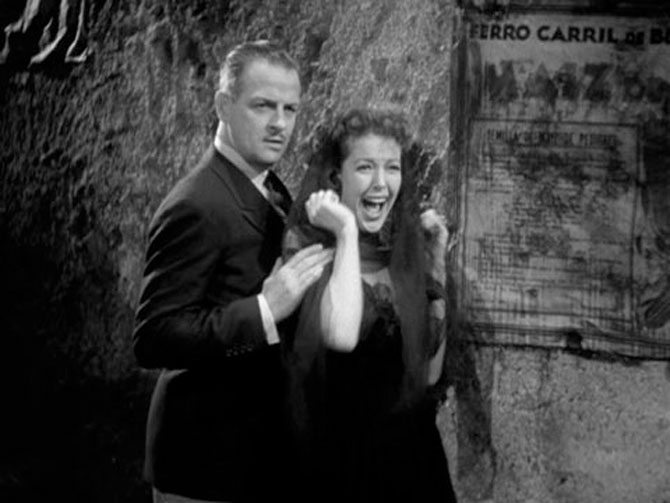
Four Men and a Prayer (1938)
The following are screen captures from two related sequences in John Ford’s Four Men and a Prayer, a remarkable (and remarkably strange) film about imperialism, globalization, and the military industrial complex that predates America’s involvement in World War II by three years.

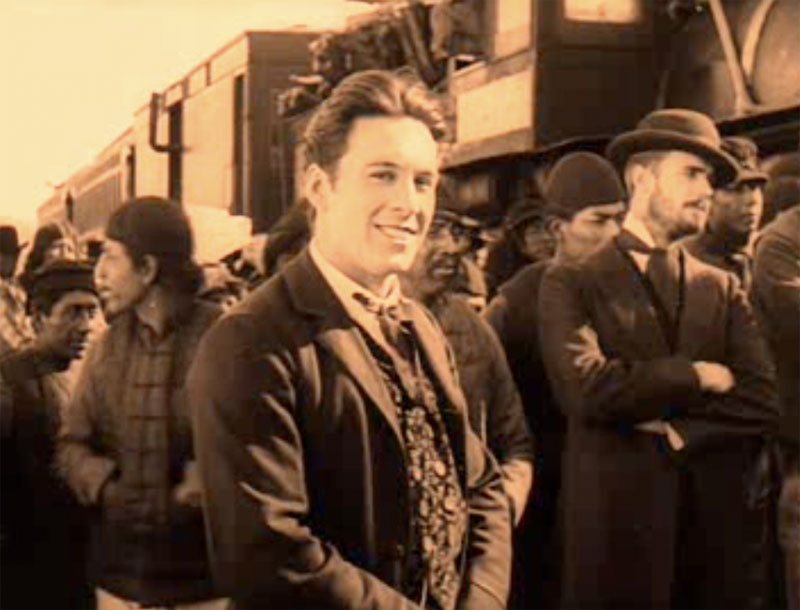
The Iron Horse (1924)
Along with simply being a tremendous pleasure to watch, The Iron Horse offers a fascinating peek into the evolution of the Hollywood film style. By 1924 — and with four dozen films under his belt — Ford already understood the mechanics of what would eventually be called standard continuity editing, and so, for me, the most interesting moments in the early films are when something breaks, as in the following sequence.
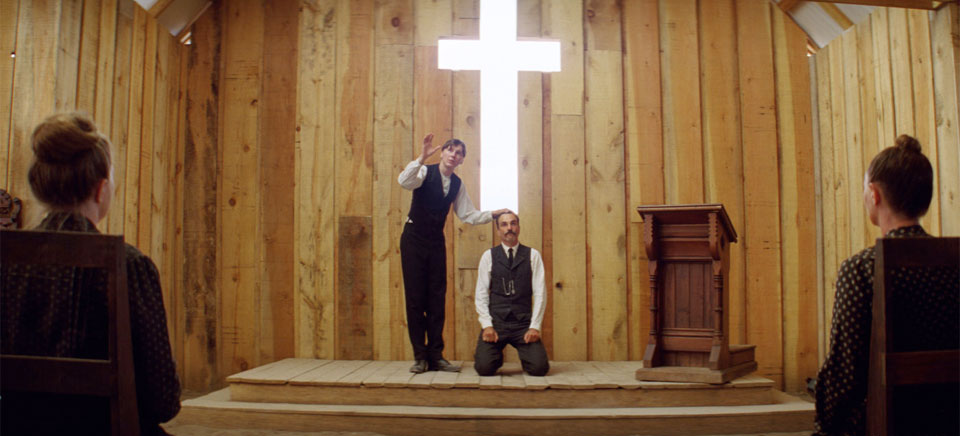
There Will Be Blood (2007)
Like nearly everyone else, apparently, I was overwhelmed by the sheer force of will in Anderson’s filmmaking but am still unsure of what to make of it, exactly.

2007 TIFF Day 8
Gus Van Sant’s Paranoid Park, Lee Kang-sheng’s Help Me Eros, Nanouk Leopold’s Wolfsbergen, and Alessandro Capone’s L’Amour Cache.
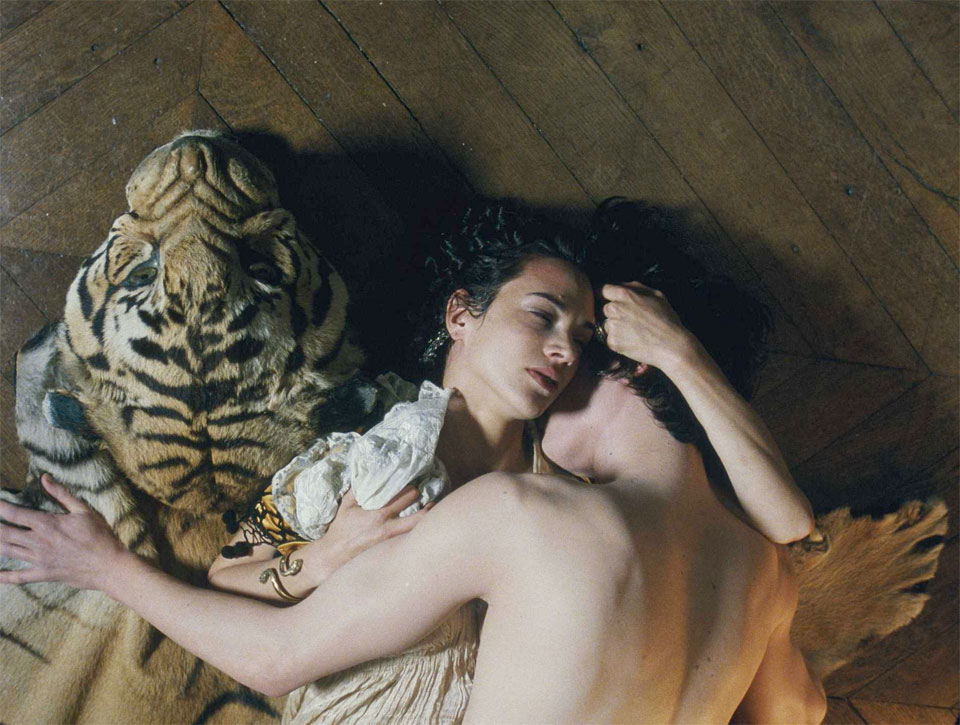
2007 TIFF Day 7
Catherine Breillat’s Une vieille maitresse, Brian De Palma’s Redacted, and Jose Luis Guerin’s Dans la ville de Sylvie.
2007 TIFF Day 5
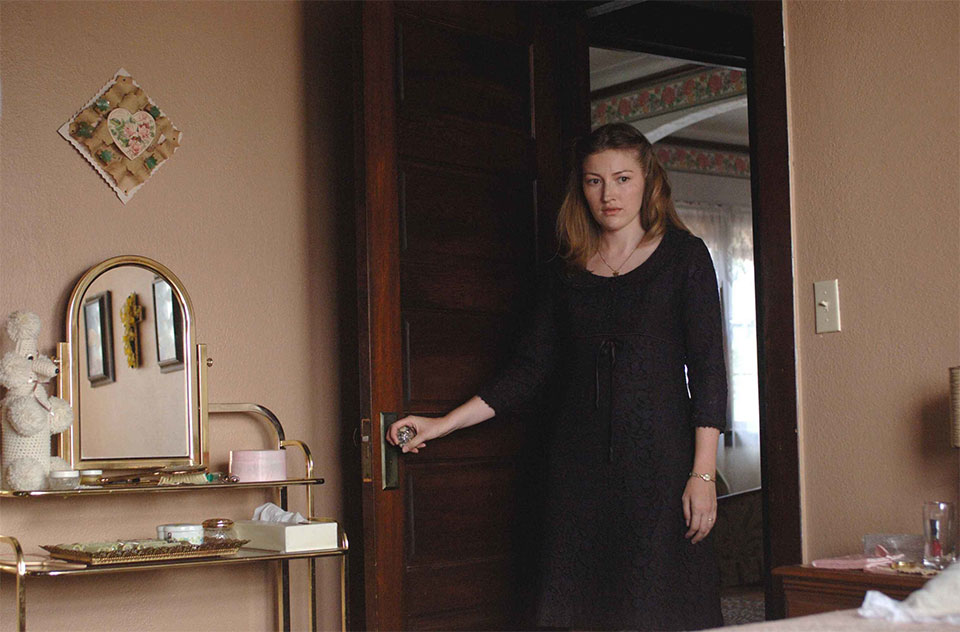
The Coen brothers’ No County for Old Men, Anahi Berneri’s Encarnacion, Shekhar Kapur’s Elizabeth: The Golden Age, and Bruce McClure’s Everytwo Circumflicksrent…Page 298.

2007 TIFF Day 3
Naomi Kawase’s Mourning Forest, Bela Tarr’s The Man from London, Jia Zhang-ke’s Useless, John Gianvito’s Profit Motive and the Whispering Wind, and Ute Aurand and Maria Lang’s The Butterfly in Winter.
A Few Words About Zodiac
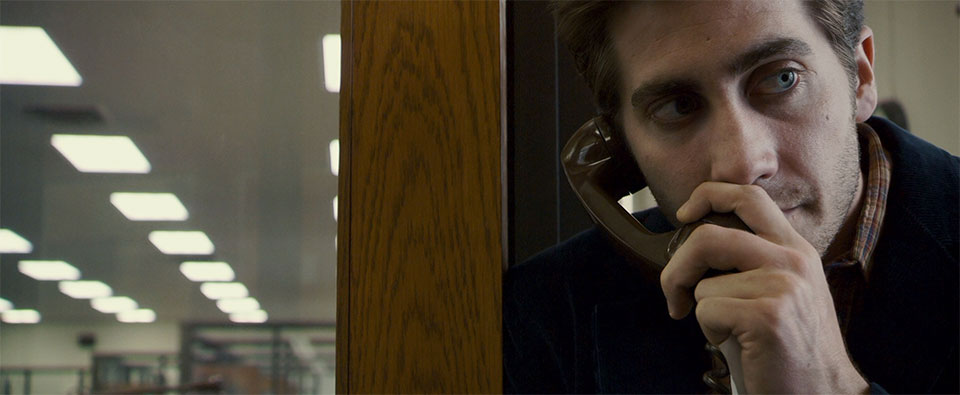
David Fincher’s Zodiac is absolutely haunted by the specter of technology and by the present-day confidence we have in its objectivity.
Early Lynch
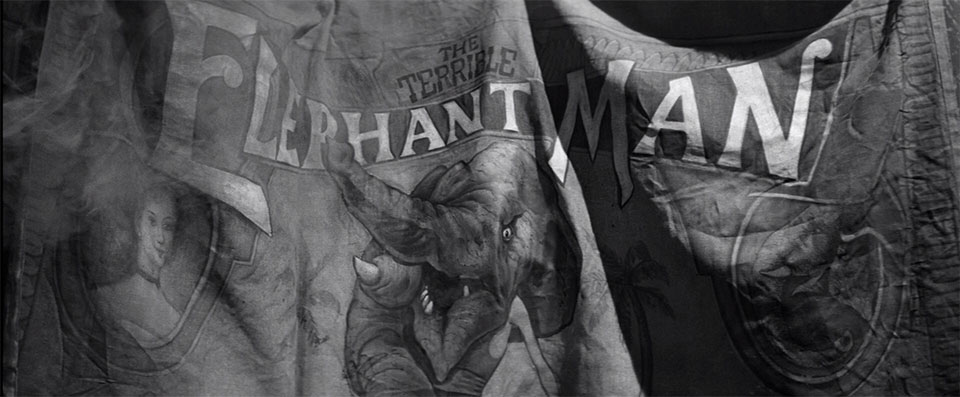
Love and death are ethical and metaphysical issues for Lynch, but they’re bound up in biology, too. Human flesh and organic processes are mysterious, unreliable, and frightening in these films. You can practically smell the decay.

Counsellor at Law (1933)
In the foreground sits Harry Becker (Vincent Sherman), a young radical who only the night before was beaten and arrested by the police for, as his mother explains it, “making Communist speeches.” He sits here with George Simon (John Barrymore), a high-powered attorney whose office overlooks Manhattan from atop the Empire State Building.
Half Nelson (2006)
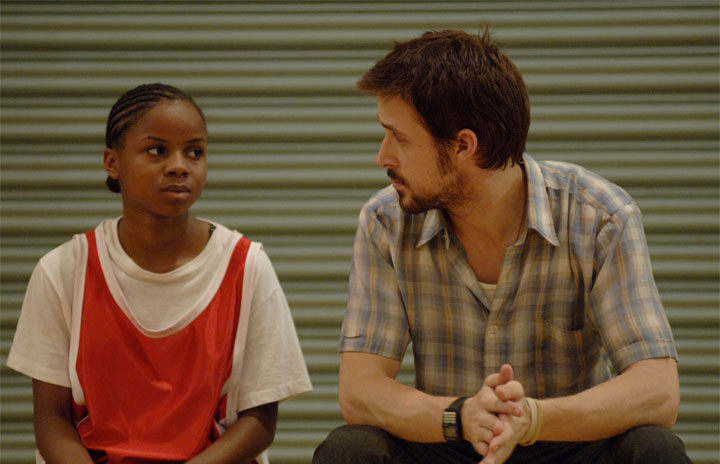
It’s rare these days when I find myself identifying with a character in the same way that, say, the 7-year-old version of me identified with Charlie Bucket or the 15-year-old version of me identified with Holden Caulfield. But Dan Dunne, the crack-addicted, idealistic History teacher played by Ryan Gosling in Half Nelson, is more like me than any other character I’ve met in quite some time.