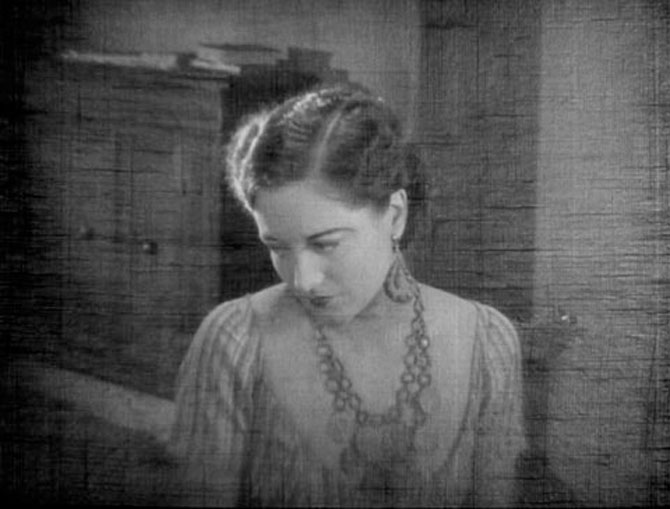
The Unknown (1927)
Melodrama is a matter of narrative and performance style, of course, but, particularly in silent cinema, the core of melodrama is mise-en-scene.
Melodrama is a matter of narrative and performance style, of course, but, particularly in silent cinema, the core of melodrama is mise-en-scene.
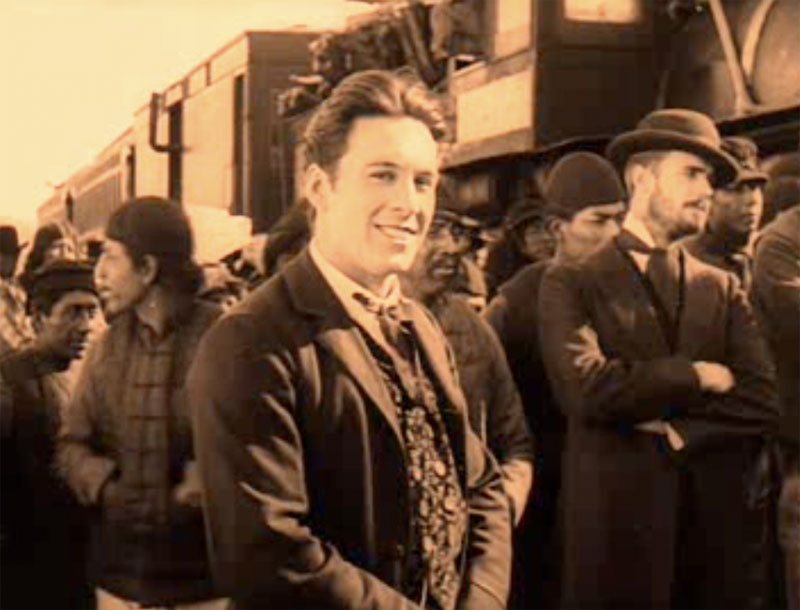
Along with simply being a tremendous pleasure to watch, The Iron Horse offers a fascinating peek into the evolution of the Hollywood film style. By 1924 — and with four dozen films under his belt — Ford already understood the mechanics of what would eventually be called standard continuity editing, and so, for me, the most interesting moments in the early films are when something breaks, as in the following sequence.

Some recent viewings: Notre Musique, The Best Years of Our Lives, Sunrise, Howard Zinn: You Can’t Be Neutral on a Moving Train.
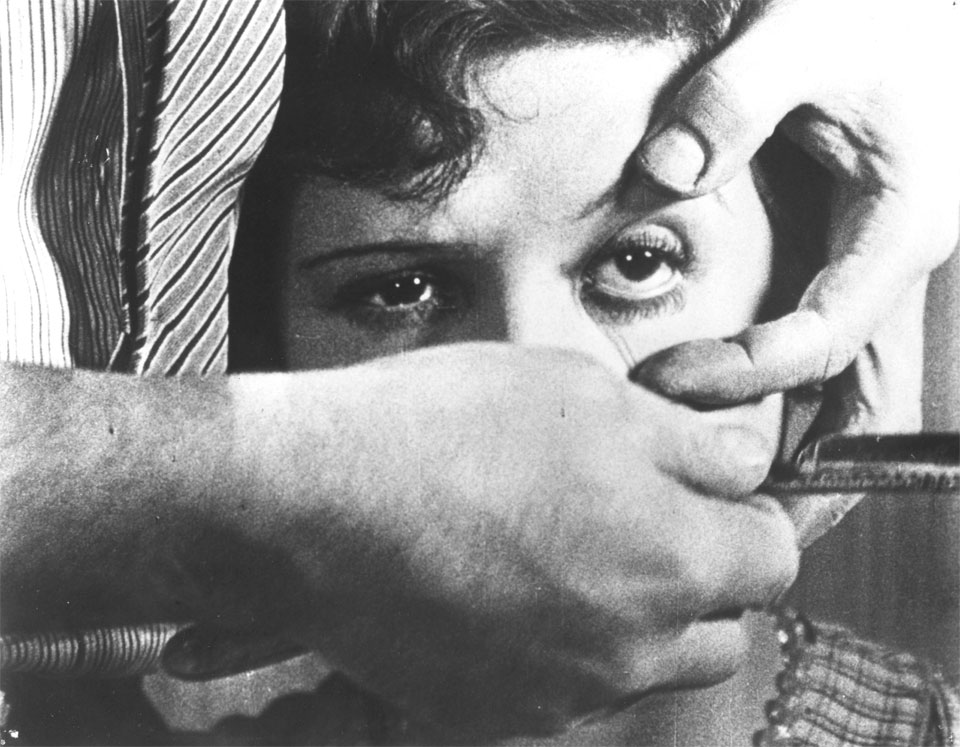
My favorite discussion of the famous eye-slicing sequence can be found in Virginia Carmichael’s Framing History, where she compares Bunuel’s film to E.L. Doctorow’s The Book of Daniel, a novel that attempts to make sense of the early Cold War years.