2009 TIFF Wrap-Up
To carry on the tradition from past years (2006, 2007, 2008), here’s a breakdown of the feature-length films I saw at TIFF, more or less in order of preference. Masterpieces Will likely end up on… 2009 TIFF Wrap-Up
To carry on the tradition from past years (2006, 2007, 2008), here’s a breakdown of the feature-length films I saw at TIFF, more or less in order of preference. Masterpieces Will likely end up on… 2009 TIFF Wrap-Up
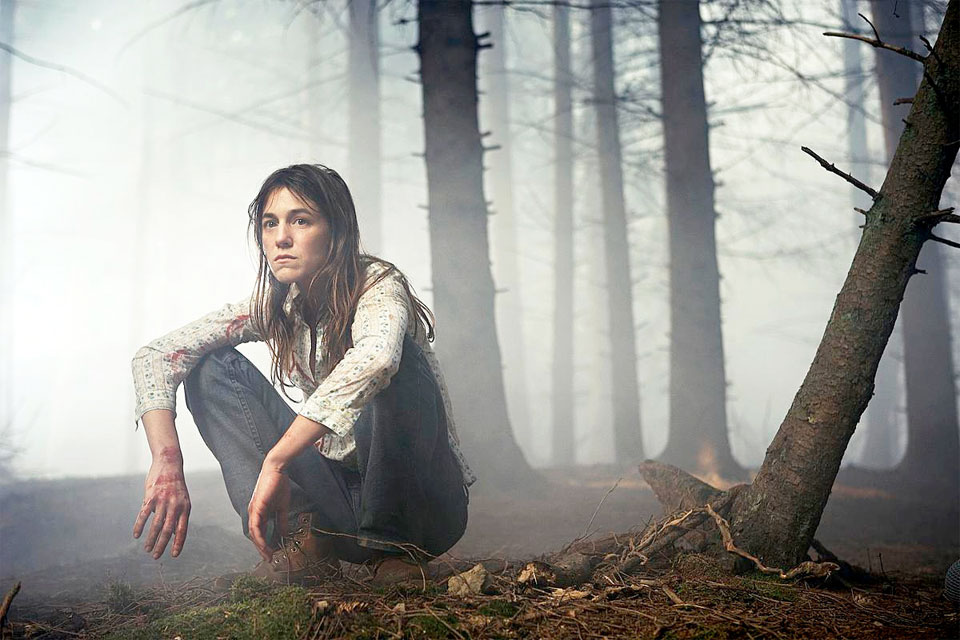
Antichrist (Tars von Trier) When asked at TIFF what I thought of Antichrist, I got in the habit of saying, “Well, it’s a testament to von Trier’s talent that he can make such an unremarkable… 2009 TIFF Day 3

Like You Know It All (Hong Sang-soo) Given the generally low opinion of Like You Know It All among many Hong fans, and given my enjoyment of it, I’ve concluded I just can’t tell the… 2009 TIFF Day 2
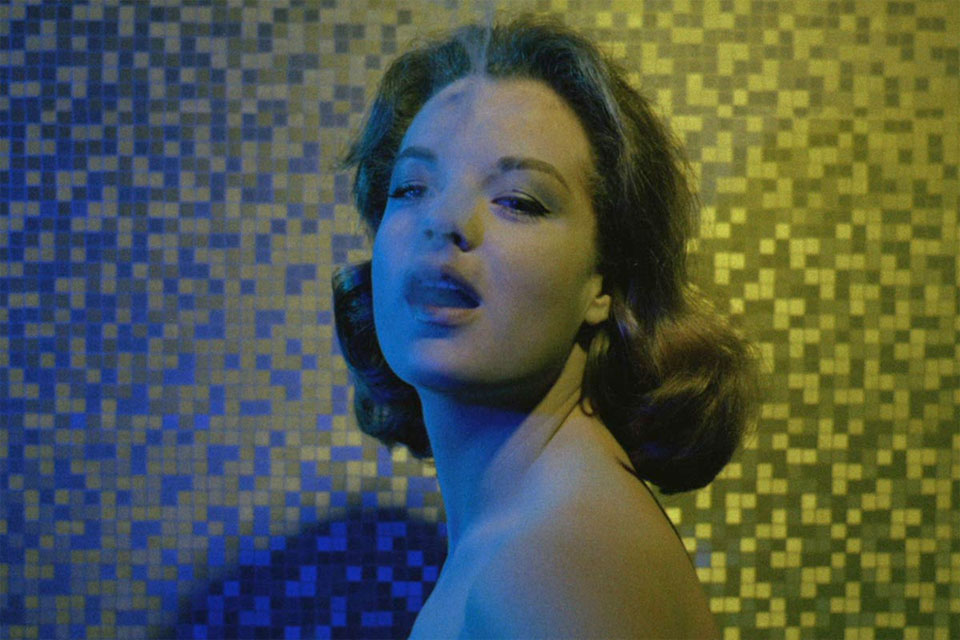
A quick review of L’Enfer de Henri-Georges Clouzot Inferno, directed by Serge Bromberg & Ruxandra Medrea.
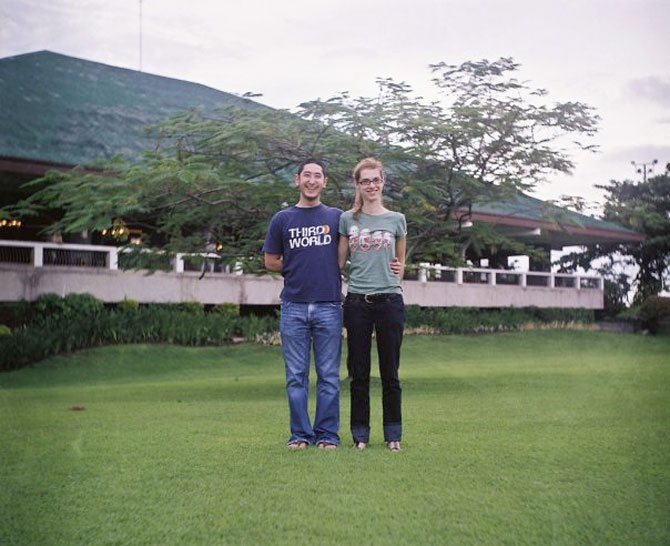
I was already choking back tears even before reading this Tweet from Raya Martin: http://twitpic.com/g5qbk – i love you pards why did you leave me we’re not yet done Added: “The Letter I Would Love… Alexis Tioseco and Nika Bohinc
I just received my ticket order confirmation. I have a 50-ticket pass but will probably only — only — see 36-40, so I went ahead and double-booked several time slots and will make a last-minute decision about which tickets to use.
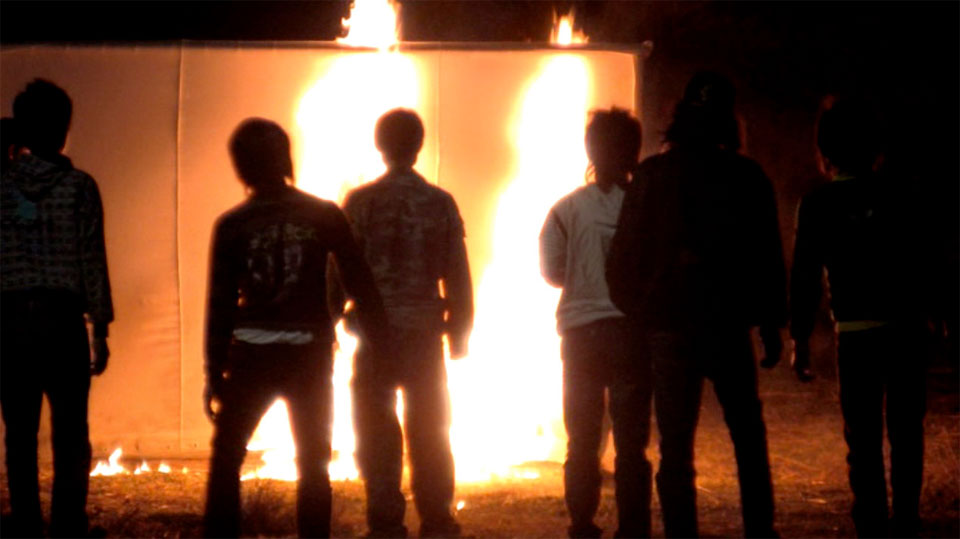
There are ways of “decoding” this film, I suppose — the soccer ball as a synecdoche for military armaments, the cinema as documentarian, the hovering florescent light as ghost (or Ghost) — but reducing Apitchatpong’s films to points on a symbolic answer key seems beside the point.
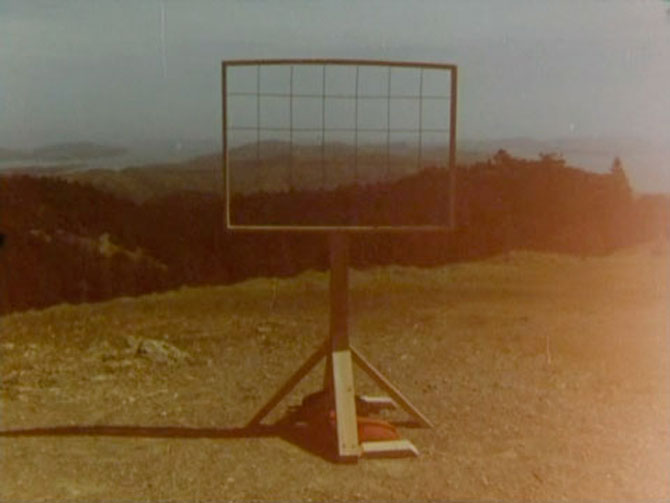
Short responses to Chris Kennedy’s Tamalpais and Josef Dabernig’s Hotel Roccalba.
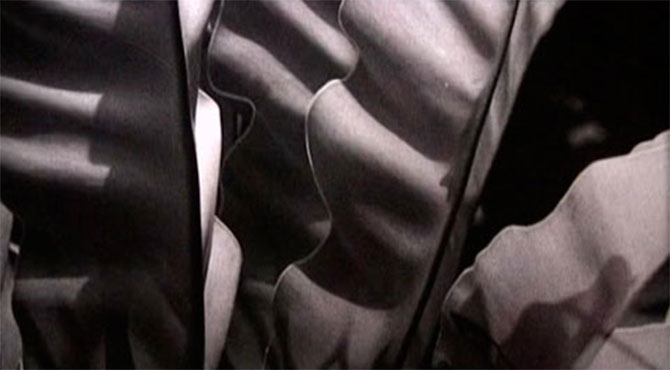
My tendency when describing a film like Lumphini 2552 is to fall back on Modernist rallying cries like that old Ezra Pound chestnut, “Make it new!” Maybe a useful way to think of Nishikawa’s film is as a beautifully defamiliarized — and uniquely cinematic — landscape.
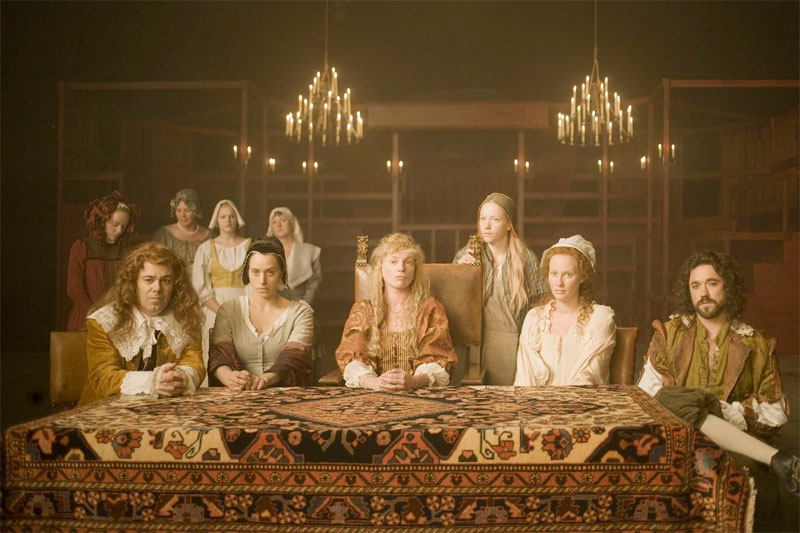
Petter Greenaway’s Rembrandt’s J’Accuse and The Other One by Patrick Mario Bernard and Pierre Trividic.
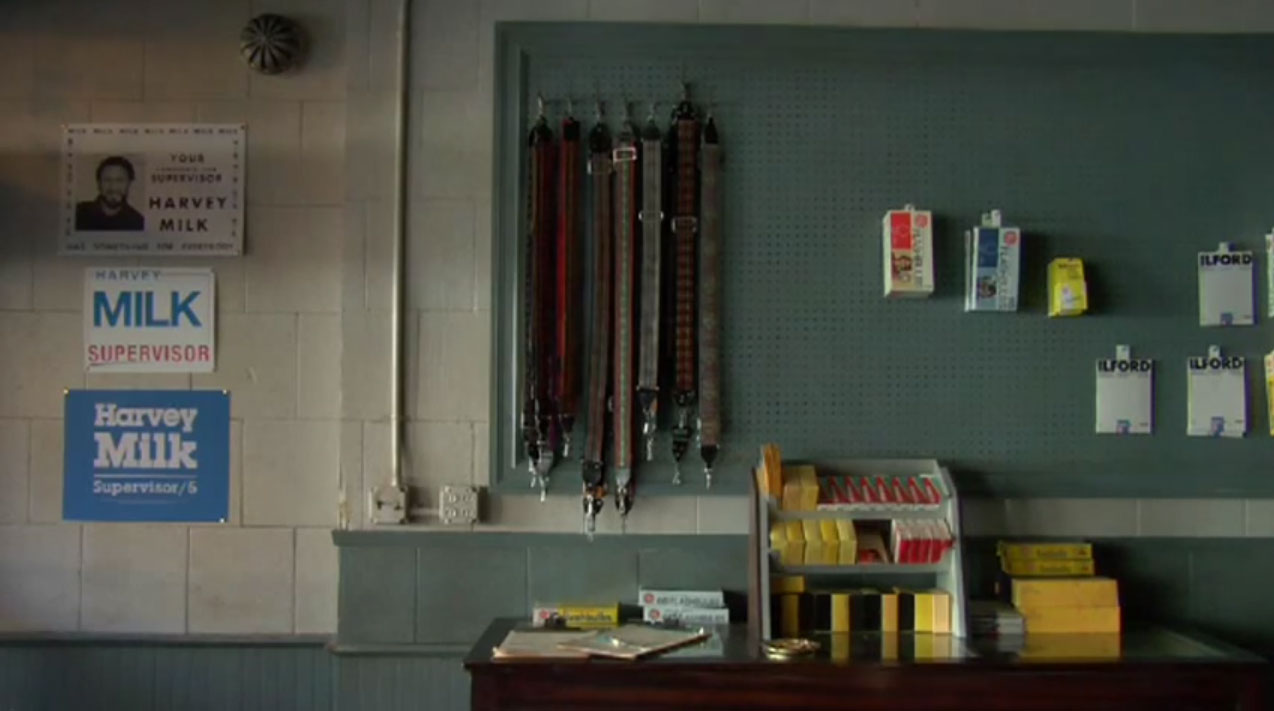
When I spoke to Olson after the screening, she told me how overwhelming it was to visit the set, to listen to Milk’s voice, and to know that it was here — right here — that he contemplated his imminent murder. She’s translated that experience well to her film, which is ghostly and deeply moving. But, of course, it wasn’t right here that Milk made his tape. This is a meticulously dressed set.
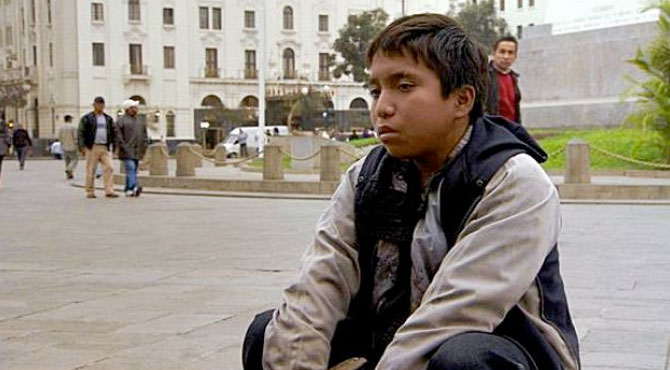
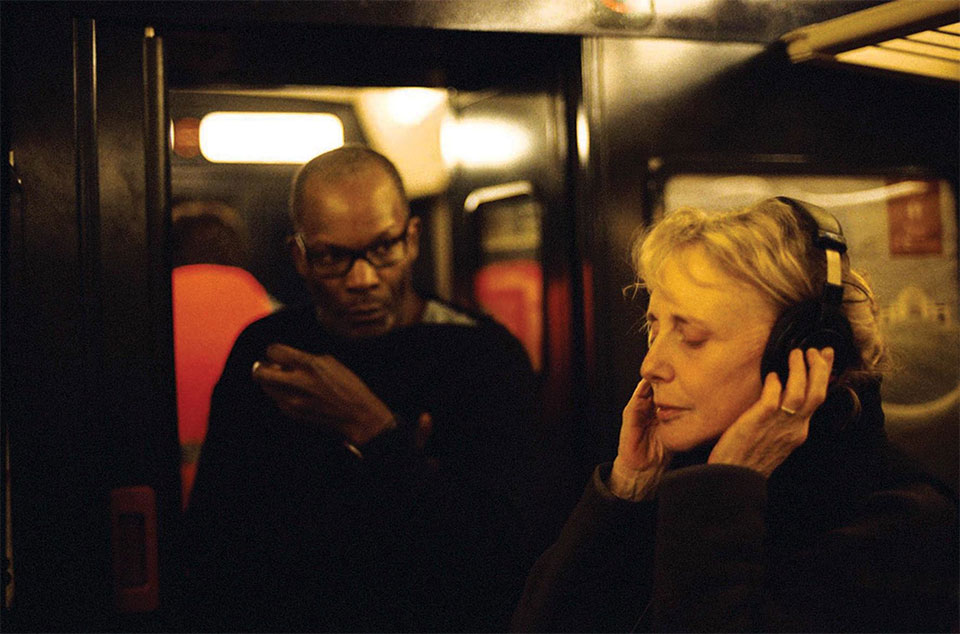
Heddy Honigmann’s Oblivion, Frazer Bradshaw’s Everything Strange and New, Claire Denis’s 35 Shots of Rum (yes, again), Javor Gardev’s Zift, and Mikheil Kalatozishvili’s Wild Field.
My contributions to the fake Criterion thread at The Auteurs.
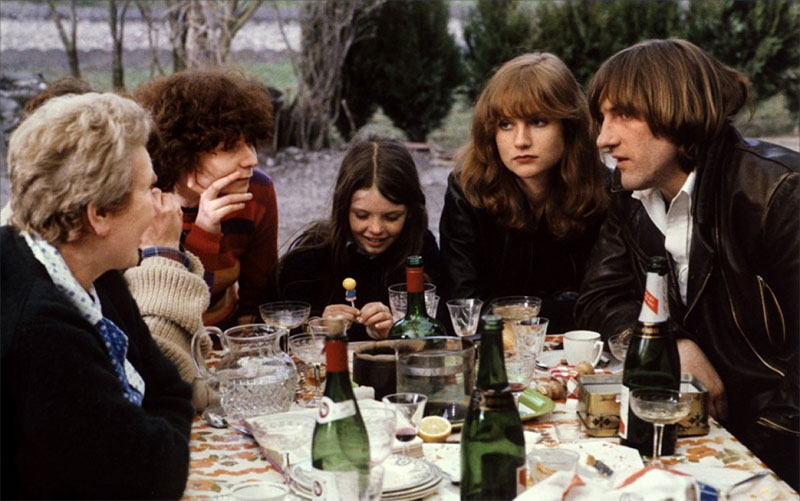
Short responses to films by Maurice Pialat, William Friedkin, Louis Malle, Paul Schrader, Nicolas Roeg, Mike Leigh, and Michel Deville.
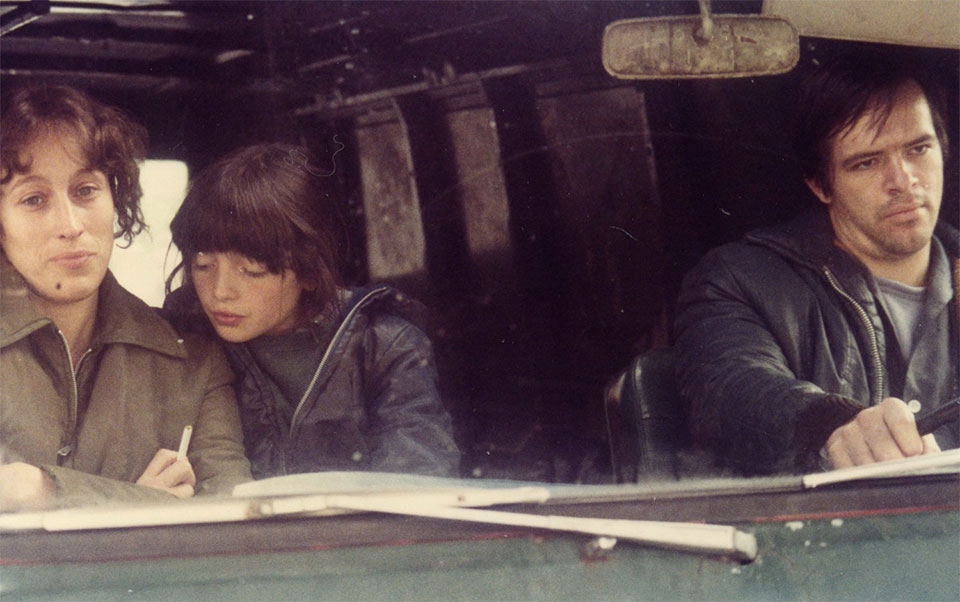
While watching Les Bons Debarras, I was struck by how familiar it felt. I was eight when the film was released — near enough to the age of Manon (Charlotte Laurier) that I was able immediately to recognize that particular era of childhood, even if her experience of it is so much different from my own.
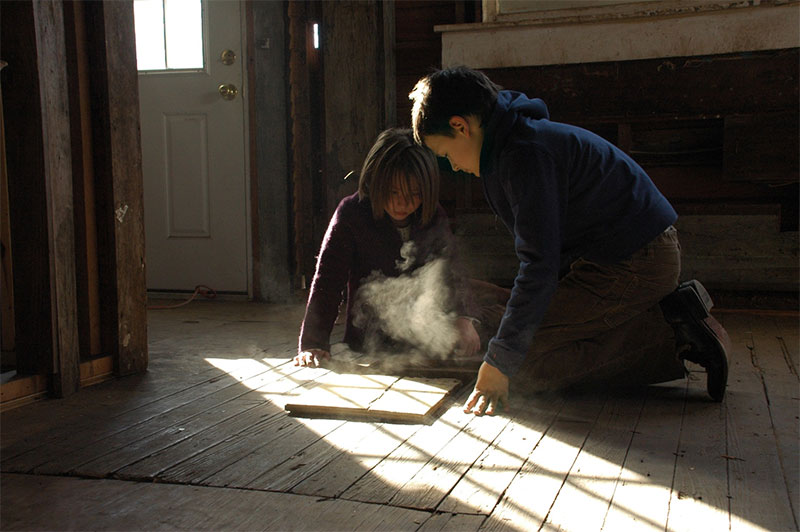
American “regional” cinema (again with the ironic scare quotes), especially that of the indie variety, has an unfortunate tendency to come off like tourism, in the sense that the camera is too often set up in front of objects that only reinforce our preexisting sense of the place. “The South,” for example, is often reduced to a now-vacant and picturesque block of what was once a small town’s main street before the interstate and Wal-Mart moved in.
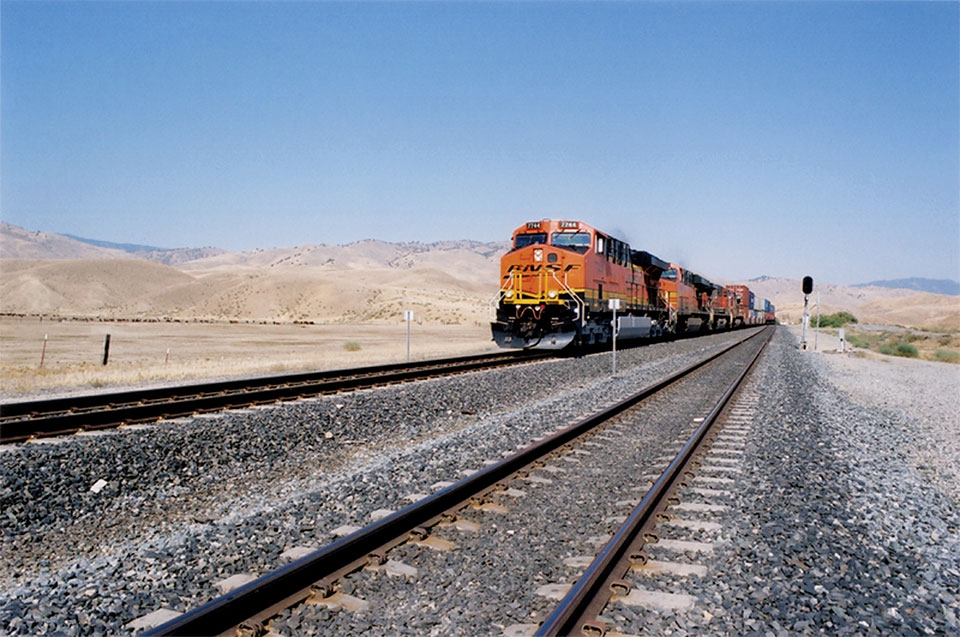
This essay was originally published at Senses of Cinema.
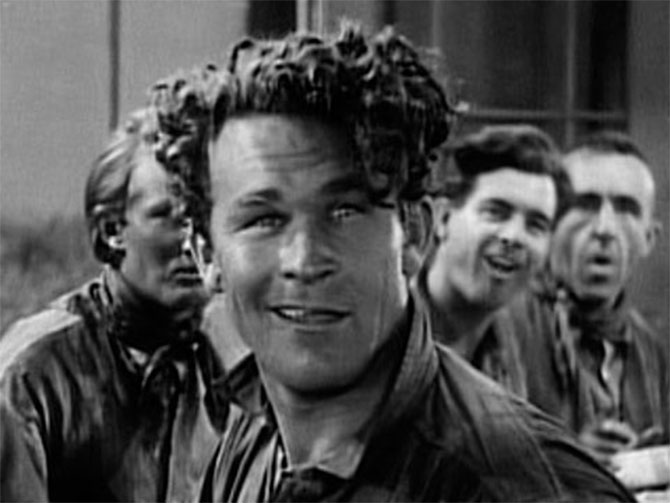
Judging by his appearances in City Girl and in Borzage’s Lucky Star (1929) and Liliom (1930), “Big Boy” was often cast as a dim-witted and arrogant sonuvabitch.
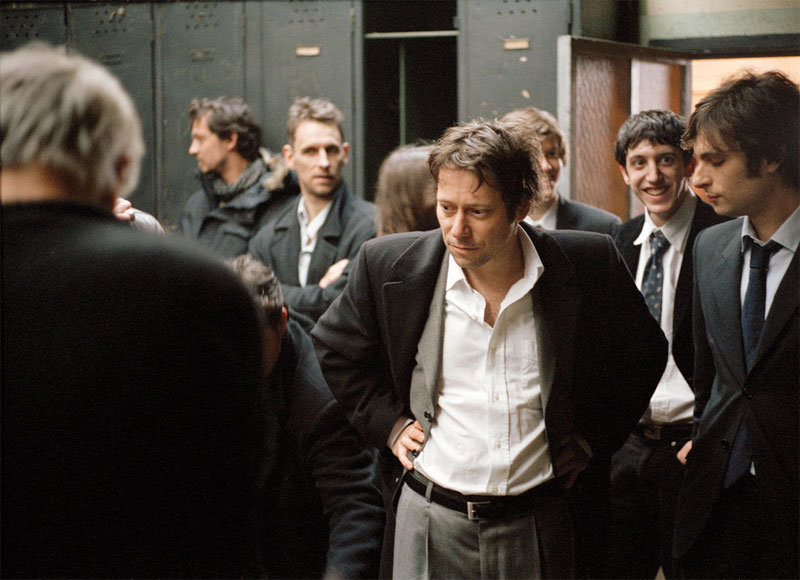
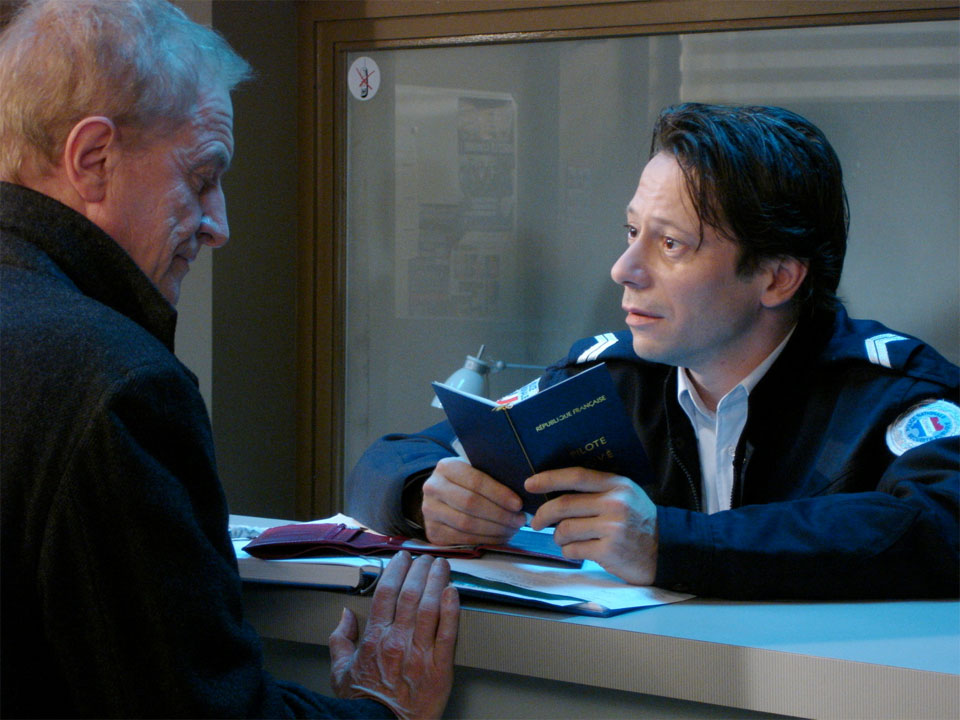
Heartbeat Detector is a tricky one. Immediately after my first viewing a couple weeks ago, I went searching for decent writing about it but found slim pickings. Judging by the responses of most critics I’ve found online, it’s little more than a too-long and “oh so European” corporate thriller. Unflattering comparisons to Michael Clayton are the norm, and there’s a not-so-subtle (and strangely patronizing) animosity running through the reviews: that a film would seriously compare the workings of modern capital to the Holocaust is just too much, apparently.
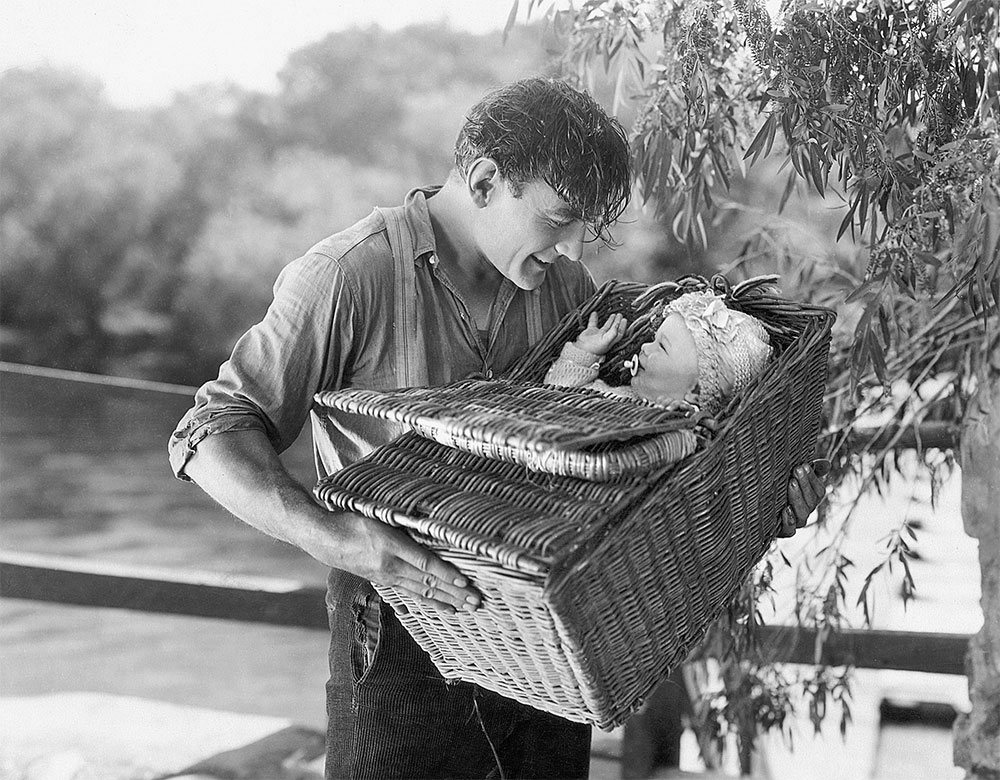
A day-by-day viewing log of my filmwatching habits in 2009, beginning with Frank Borzage’s Lazybones (1925) and ending with Arnaud Desplechin’s’s Kings and Queen (2004).
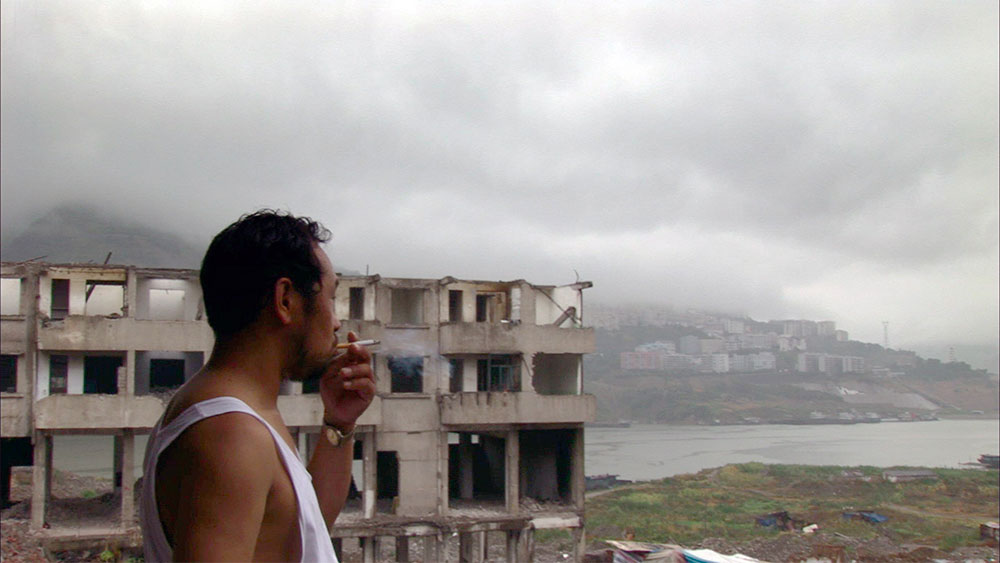
This year, for the first time, I submitted an official Top 10 list, abiding by the “one-week theatrical run in the States” rule.
This essay was originally published in Faith and Spirituality in Masters of World Cinema (2008), edited by Kenneth Morefield for Cambridge Scholars Publishing.
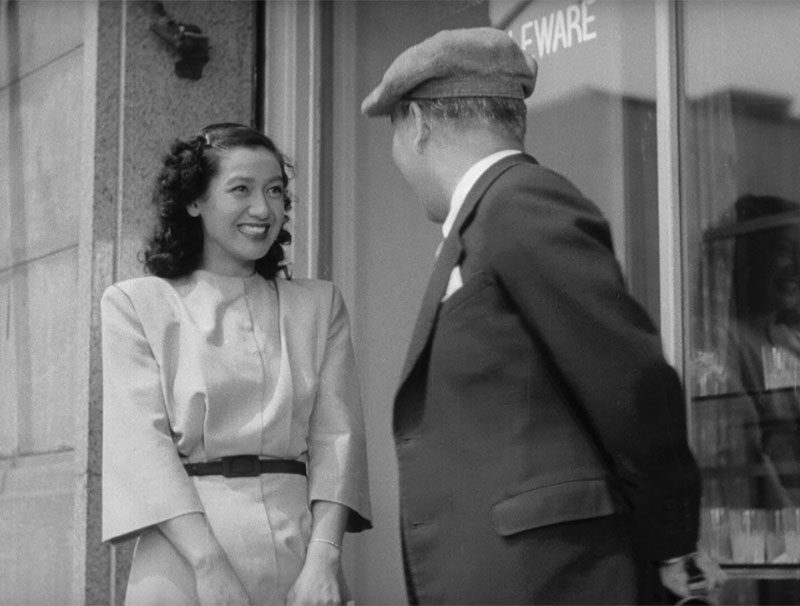
I watched Late Spring for the first time last night (yeah, I know) and had a grand time spotting the details that echo throughout Denis’s film. Mostly, though, I was struck by just how strange a filmmaker Ozu really is, particularly in his cutting. It made me realize that I’m not so sure, exactly, what we mean when we call a film “Ozu-like.”

Here’s a quick breakdown of what I saw, more or less in order of preference. I’m never sure how to handle the Wavelengths shorts, so I’ve included several of them that I thought were especially strong and arbitrarily omitted others. Wavelengths was, without question, the highlight of TIFF for me this year.