Magic and Loss
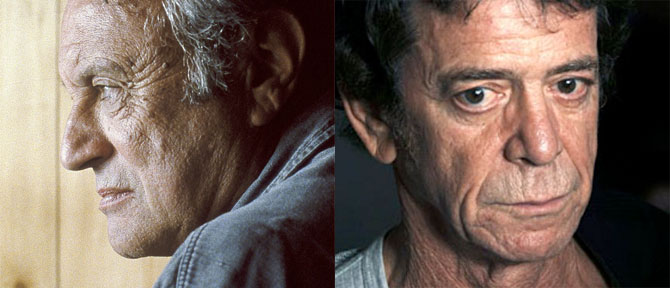
How’s this for a strange association? While marveling at Lou Reed’s performance Wednesday night, I kept thinking of Michel Subor.
How’s this for a strange association? While marveling at Lou Reed’s performance Wednesday night, I kept thinking of Michel Subor.
The Duke Spirit, Black Rebel Motorcycle Club, Sonic Youth, and Last Year at Marienbad.
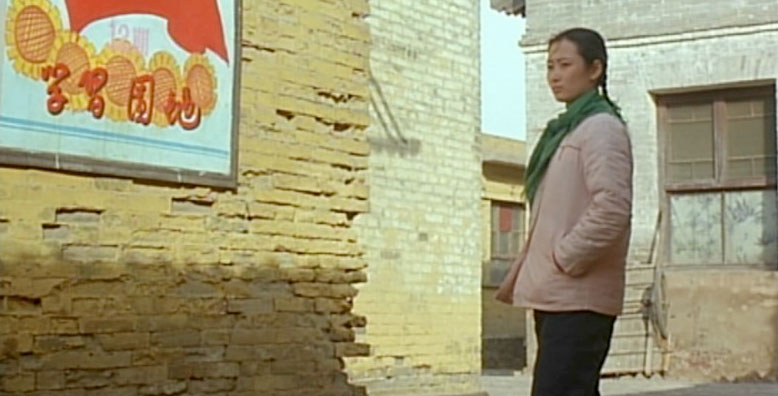
With so many directors now throwing in their cameras with the “single-shot scenes from a fixed position” school of filmmaking, there’s a growing problem for those of us who believe that a fundamental job of critics is to accurately describe what we see. Films built almost entirely from images that would have been described traditionally as “establishing shots” beg the question: How does one describe and evaluate this kind of montage (if that’s even the right word)?
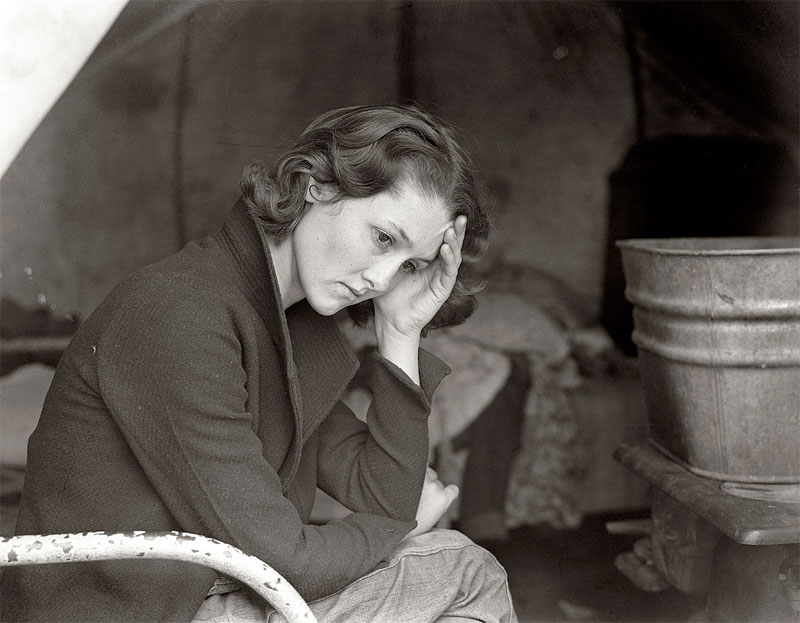
Oh, how I love Shorpy, “The 100-Year-Old Photo Blog.” The photo above was taken by Dorothy Lange for the Farm Security Administration in November 1936. The caption reads: “Daughter of migrant Tennessee coal miner. Living in American River camp near Sacramento, California.” I need to learn more about Lange. How did photos like this happen? How much posing and staging was involved? What kind of camera and film did she use?
To carry this silly analogy a bit further — and to indulge for a second in my other current obsession, The Wire — I gotta say that University of Tennessee basketball coach Bruce Pearl has got the best “package” right now.
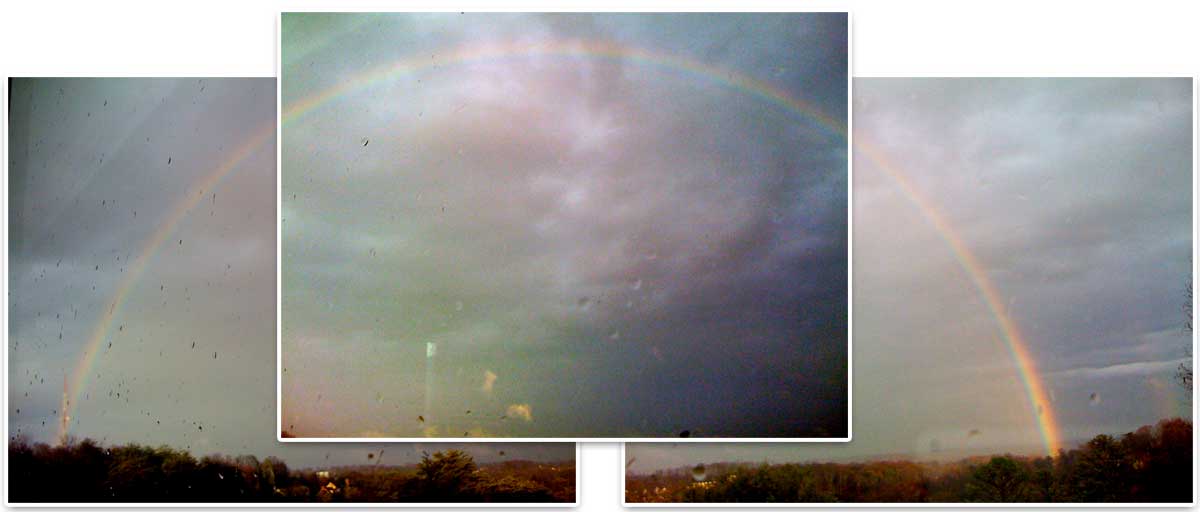
We’re having some crazy weather here today. The wind started blowing just before noon, and the rains came around 2. Ever since, the sky has been yellow, which is apparently the perfect recipe for rainbows. I laughed like a six-year-old when I saw this through our bedroom window.
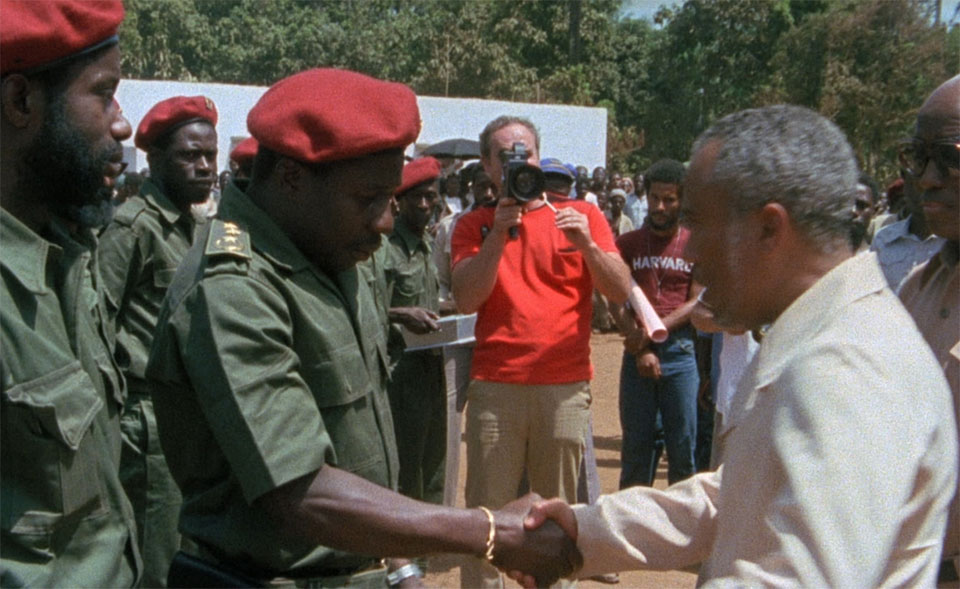
After a second viewing, I still needed some help wrapping my brain around the structure of Marker’s Sans Soleil. The following is a summary of useful ideas from Nora Alter’s book, Chris Marker.
This essay was originally published at Sojourners.
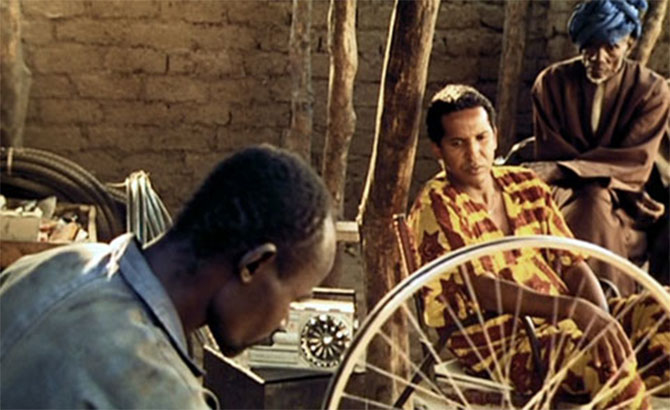
Dir. by Abderrahmane Sissako “There is an organic unity to village life, but it is both fragile and alienating. In this regard Sissako refuses to either promote some pure, untouched pre-modernity or to mourn for… Life on Earth (1999)
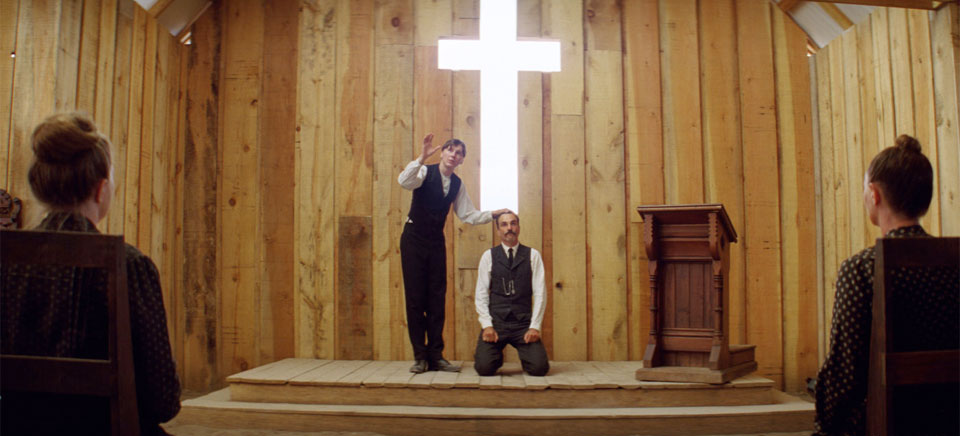
Like nearly everyone else, apparently, I was overwhelmed by the sheer force of will in Anderson’s filmmaking but am still unsure of what to make of it, exactly.
Written by Richard Price (Clockers, Freedomland) and directed by Agnieszka Holland (Angry Harvest, Europa Europa), episode 33 of The Wire, “Moral Midgetry,” features two single-take shots that epitomize the radically economical storytelling that characterizes the series.
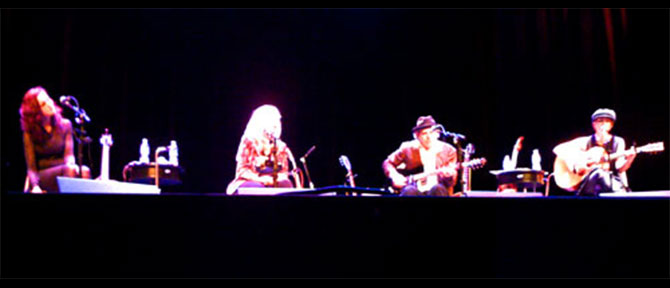
I was sitting so close I could never get all four performers — Patty Griffin, Emmylou Harris, Buddy Miller, and Shawn Colvin — in a single shot. I was sitting so close, in fact, that the only two people in the theater sitting closer to Emmylou were Patty and Buddy (sorry Shawn).
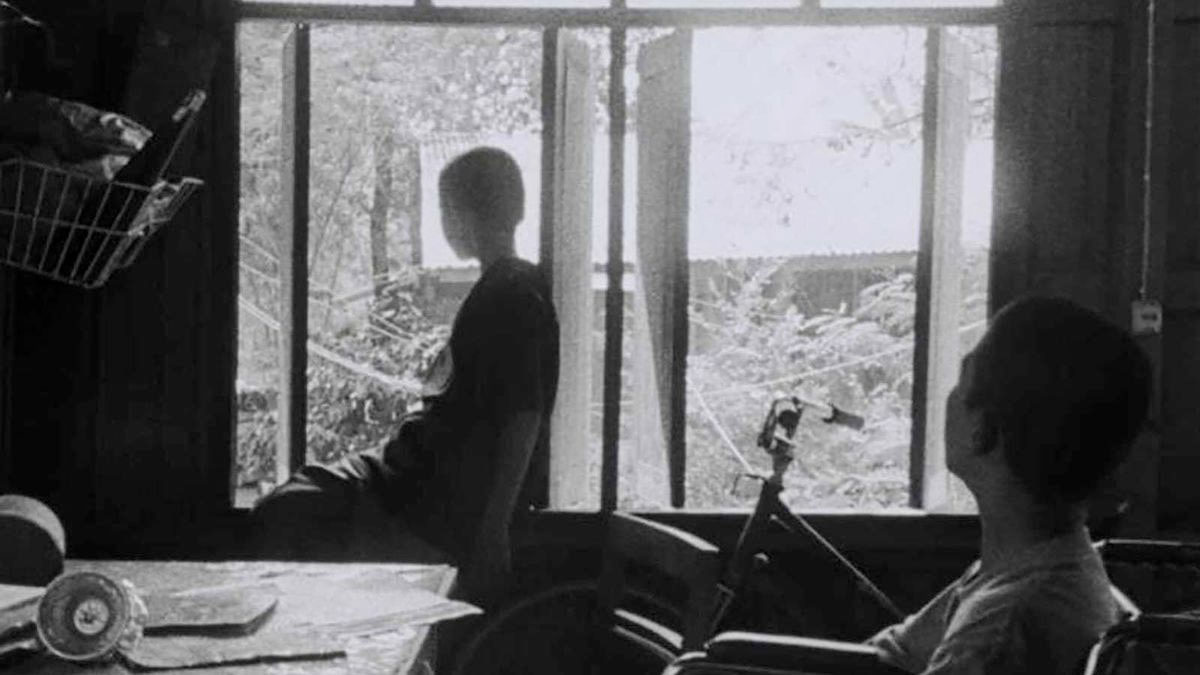
A day-by-day viewing log of my filmwatching habits in 2008, beginning with Apitchatpong Weerasethakul’s Mysterious Object at Noon (2000) and ending with Jeff Nichols’ Shotgun Stories (2007).
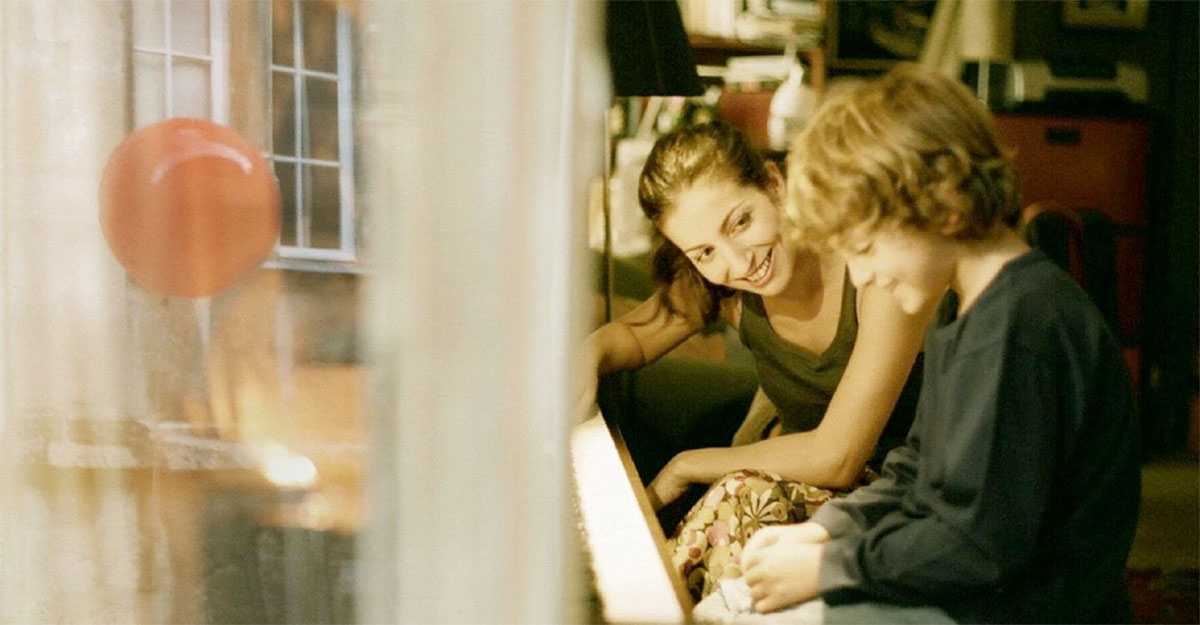
So here are ten favorites, in alphabetical order, with some honorable mentions thrown in, followed by my favorite discoveries of 2007.

One reason I’m completely unconvinced by all of the critical praise being heaped on the Coens’ treatment of evil and violence in No Country for Old Men is because violence — real, non-metaphoric violence — is always sorrowful and tragic. Lynch seems to have been born with a peculiar sensitivity to that fact, and has spent his career perfecting the formal means of articulating it.
18 songs from 18 albums I enjoyed this year.
On Wednesday morning, Joanna and I are headed up to Washington, D.C., where she’ll spend a week at the Smithsonian, reconstructing the faces of two of the original Jamestown settlers.
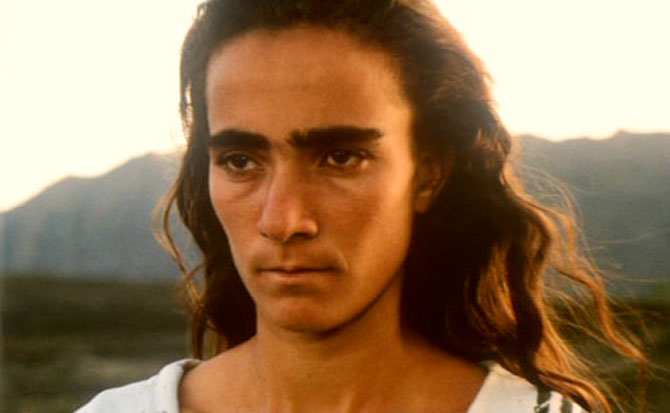
Pedro Costa’s second feature, Casa de Lava, opens with a barrage of arresting juxtapositions. The first few minutes pass in complete silence as we watch the simple white-on-black credits, followed by a montage of volcanoes.
“When one is in prison, the most important thing is the door” — Robert Bresson
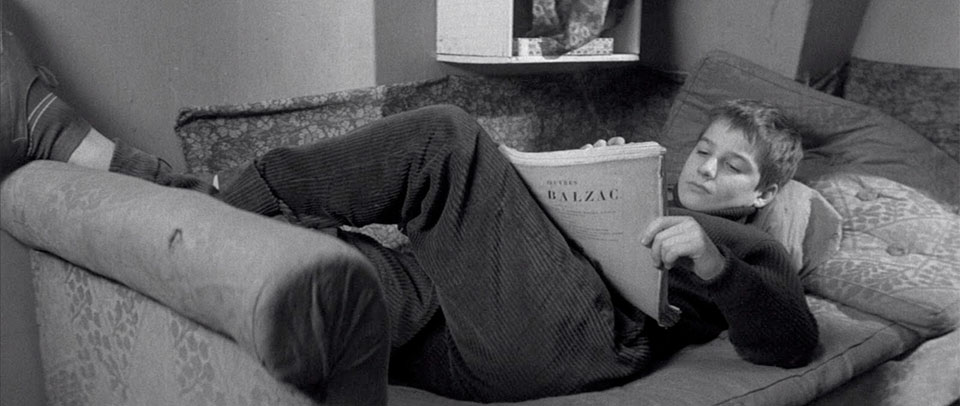
What films would you show to illustrate the spirit and lasting influence of the New Wave?
“At the Holiday Inn in Knoxville, I saw a sign for the historic town center. Thinking it might contain some character and restaurants, we head there in search of dinner. There’s no one on the streets — not metaphorically, but literally not a single soul is out and it’s not even 8 o’clock.”
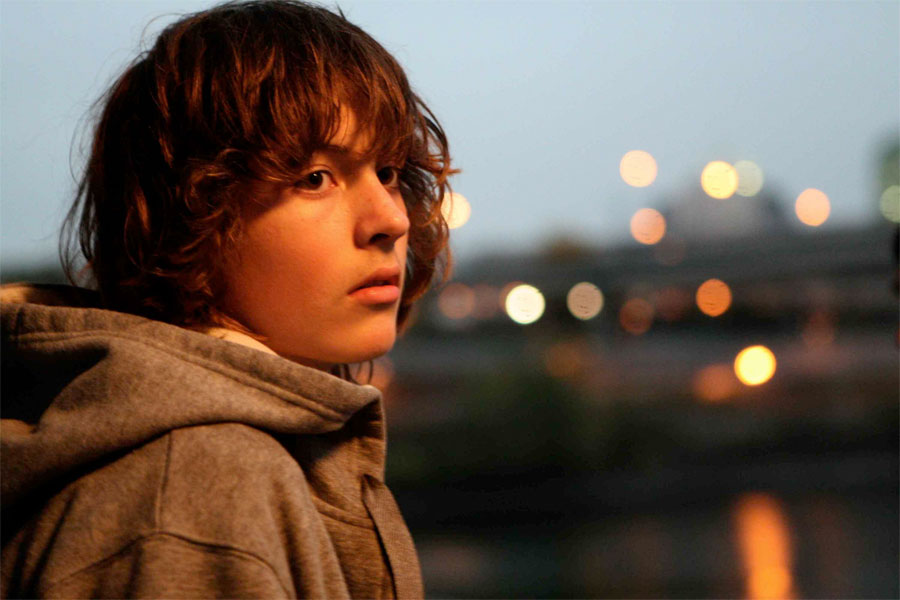
Gus Van Sant’s Paranoid Park, Lee Kang-sheng’s Help Me Eros, Nanouk Leopold’s Wolfsbergen, and Alessandro Capone’s L’Amour Cache.
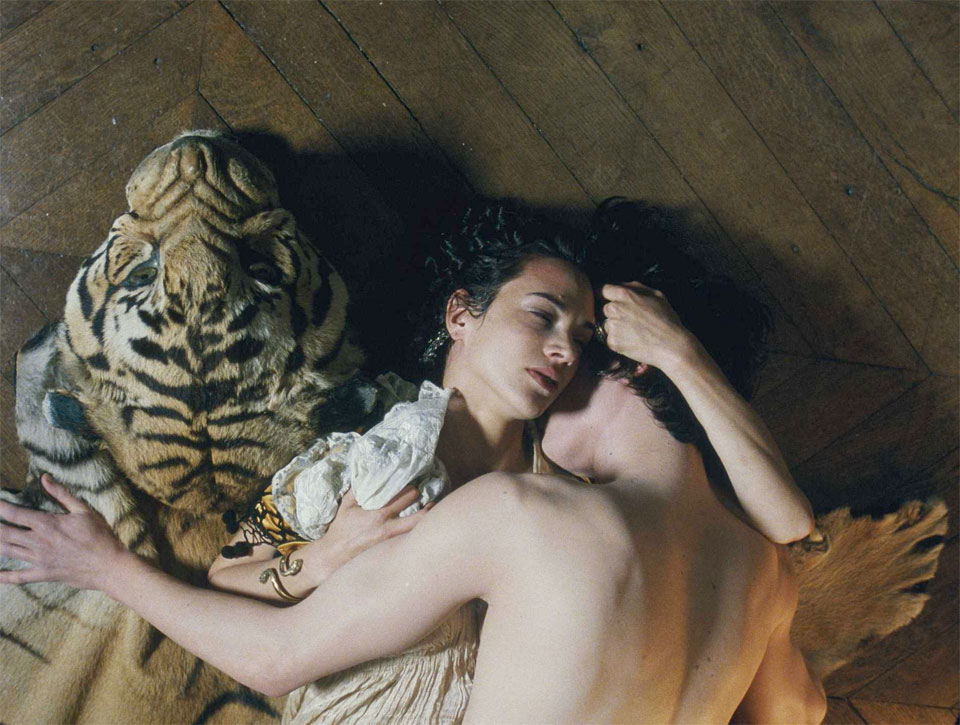
Catherine Breillat’s Une vieille maitresse, Brian De Palma’s Redacted, and Jose Luis Guerin’s Dans la ville de Sylvie.
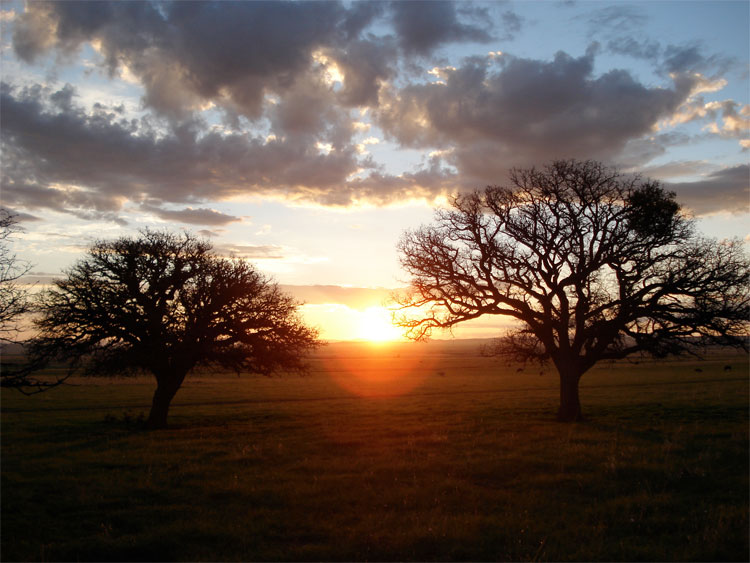
Carlos Reygadas’s Silent Light, Bernard Emond’s Contre Toute Esperance, and Celine Sciamma’s Naissance des pieuvres.
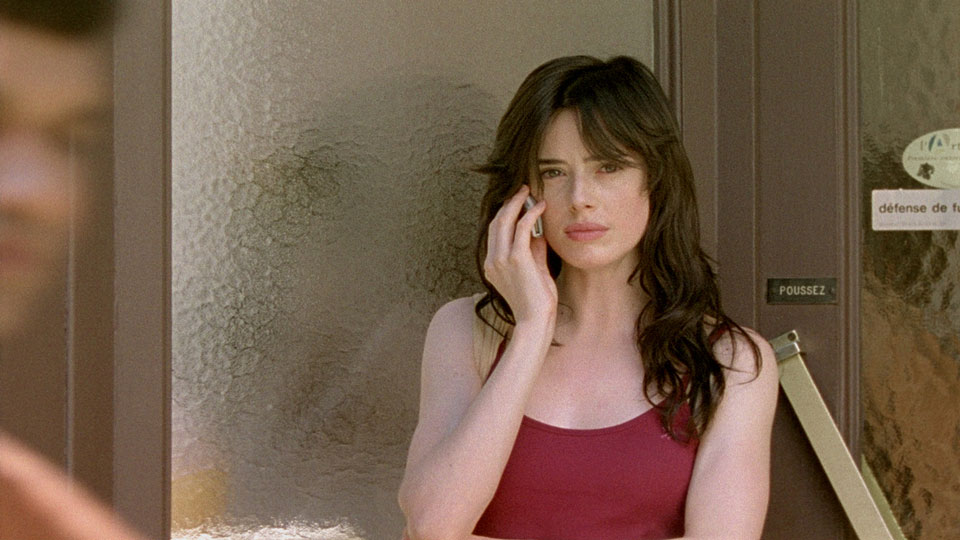
I intend to post capsule reviews of every film I saw, but it’ll probably take another week before I get through them all. In the meantime, here’s a snapshot of the festival.
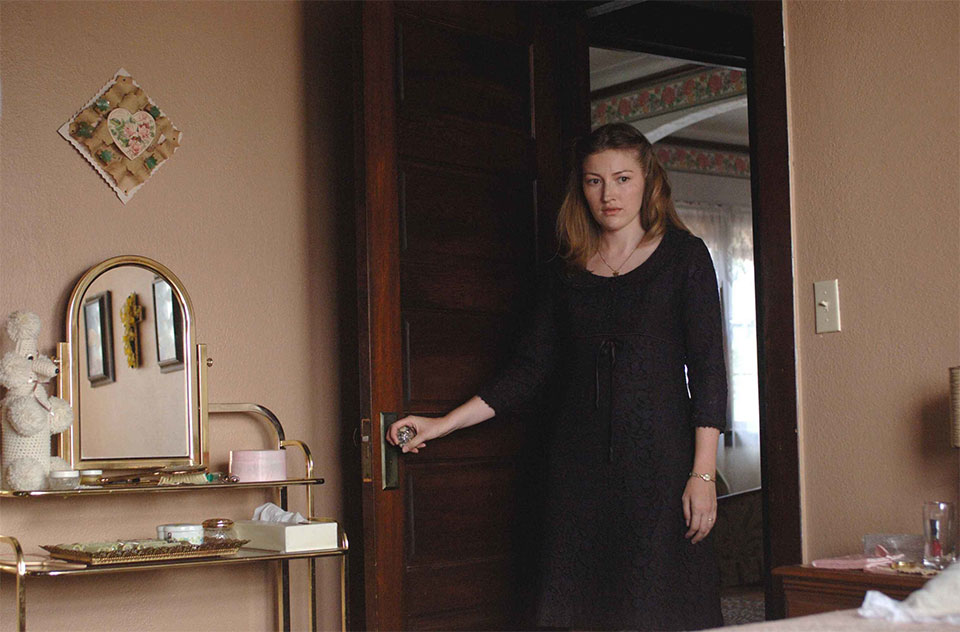
The Coen brothers’ No County for Old Men, Anahi Berneri’s Encarnacion, Shekhar Kapur’s Elizabeth: The Golden Age, and Bruce McClure’s Everytwo Circumflicksrent…Page 298.
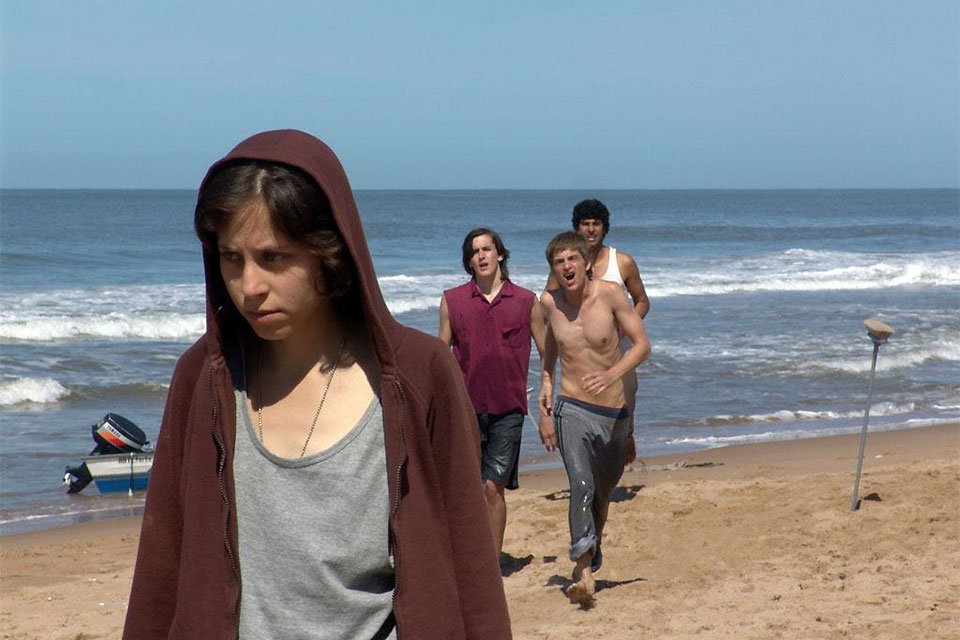
Lucia Puenzo’s XXY, Lee Chang-dong’s Secret Sunshine, Saverio Costanzo’s In Memory of Myself, Hannes Schupbach’s Erzahlung, and Heinz Emigholz’s Schindler’s Houses.
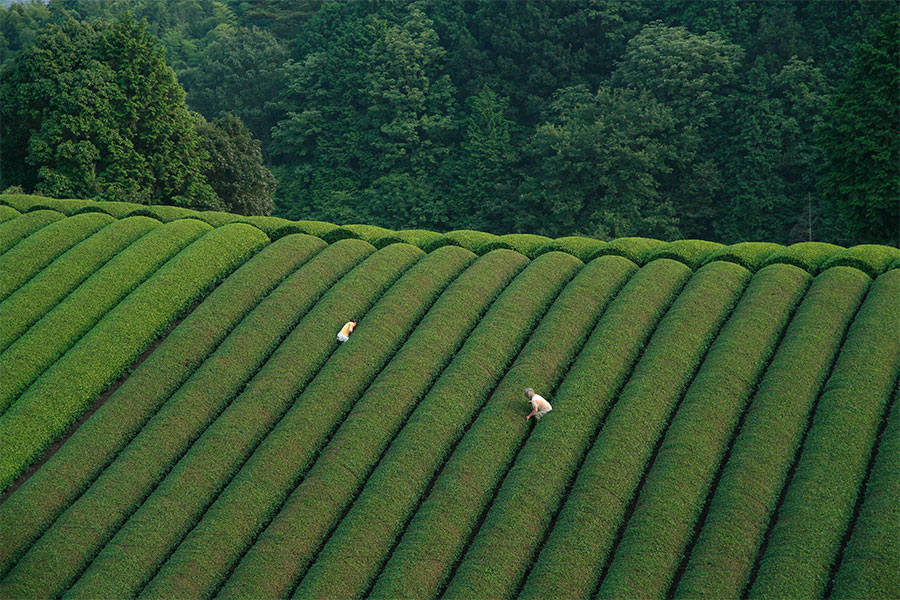
Naomi Kawase’s Mourning Forest, Bela Tarr’s The Man from London, Jia Zhang-ke’s Useless, John Gianvito’s Profit Motive and the Whispering Wind, and Ute Aurand and Maria Lang’s The Butterfly in Winter.

Marjane Satrapi’s Persepolis, Wang Bing’s Fengming, A Chinese Memoir, Hou Hsiao-hsien’s Le Voyage du Ballon Rouge, Peter Hutton’s At Sea, and Sandra Kogut’s Mutum.
