A Death in the Family (1957)
I just found this intro to an essay I never wrote and thought the quotes were worth posting.
I just found this intro to an essay I never wrote and thought the quotes were worth posting.
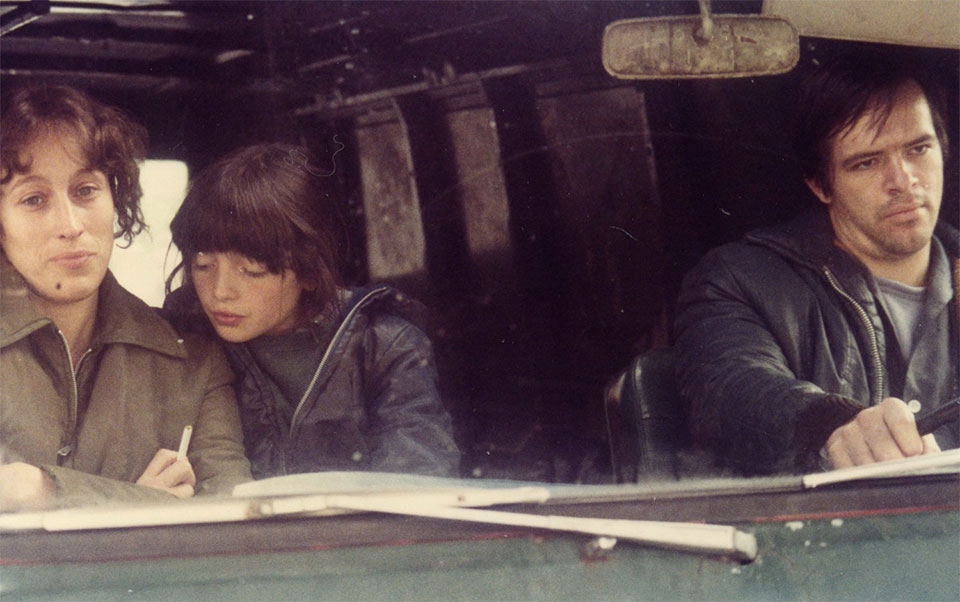
While watching Les Bons Debarras, I was struck by how familiar it felt. I was eight when the film was released — near enough to the age of Manon (Charlotte Laurier) that I was able immediately to recognize that particular era of childhood, even if her experience of it is so much different from my own.

American “regional” cinema (again with the ironic scare quotes), especially that of the indie variety, has an unfortunate tendency to come off like tourism, in the sense that the camera is too often set up in front of objects that only reinforce our preexisting sense of the place. “The South,” for example, is often reduced to a now-vacant and picturesque block of what was once a small town’s main street before the interstate and Wal-Mart moved in.
Each day in March I’m going to Blip a song. 31 days, 31 songs, ordered sequentially. I’ll update this post throughout the month, and you can also follow this little experiment on Blip.fm and Twitter. Each song will remain available online as long as Blip is able to find them. The blipiography is a fleeting gesture, I guess.

This essay was originally published at Senses of Cinema.
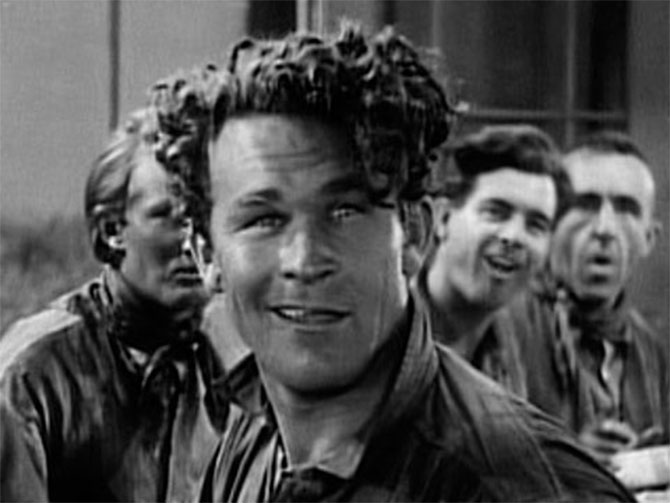
Judging by his appearances in City Girl and in Borzage’s Lucky Star (1929) and Liliom (1930), “Big Boy” was often cast as a dim-witted and arrogant sonuvabitch.
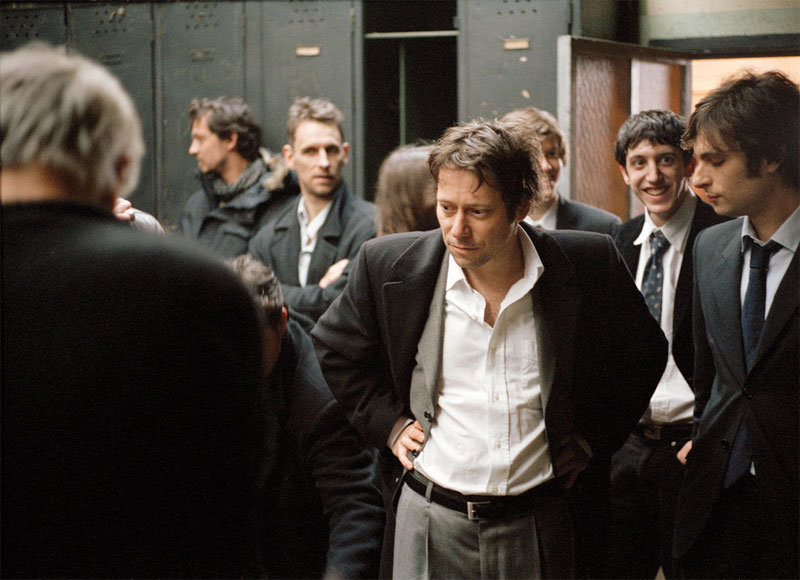
Heartbeat Detector is a tricky one. Immediately after my first viewing a couple weeks ago, I went searching for decent writing about it but found slim pickings. Judging by the responses of most critics I’ve found online, it’s little more than a too-long and “oh so European” corporate thriller. Unflattering comparisons to Michael Clayton are the norm, and there’s a not-so-subtle (and strangely patronizing) animosity running through the reviews: that a film would seriously compare the workings of modern capital to the Holocaust is just too much, apparently.
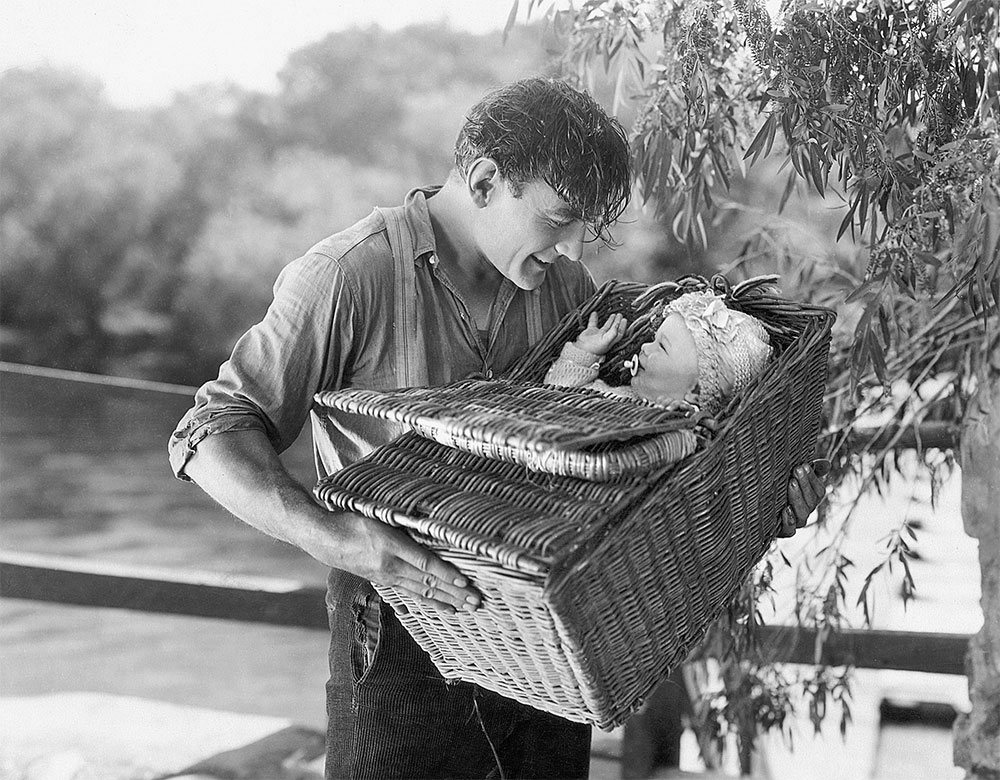
A day-by-day viewing log of my filmwatching habits in 2009, beginning with Frank Borzage’s Lazybones (1925) and ending with Arnaud Desplechin’s’s Kings and Queen (2004).
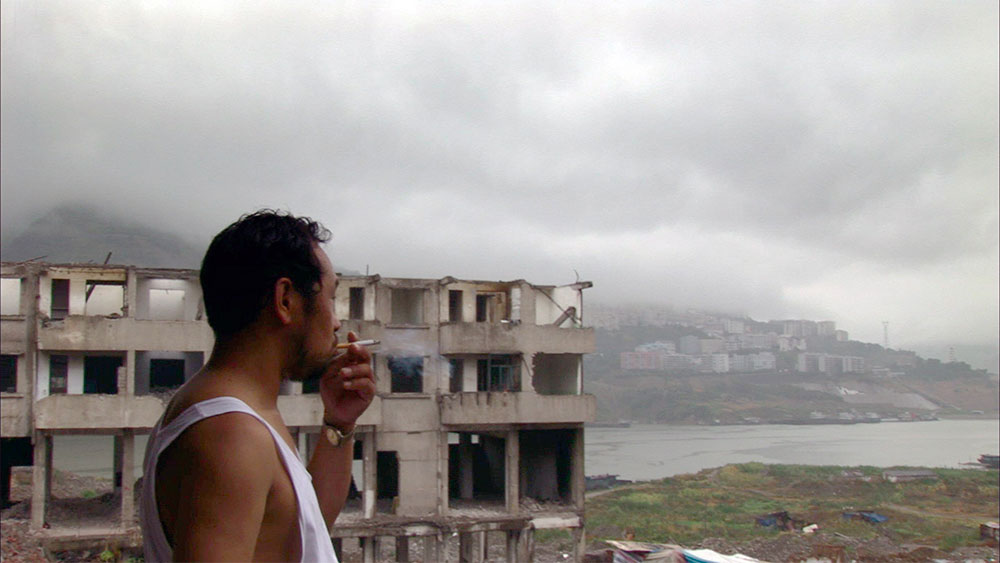
This year, for the first time, I submitted an official Top 10 list, abiding by the “one-week theatrical run in the States” rule.
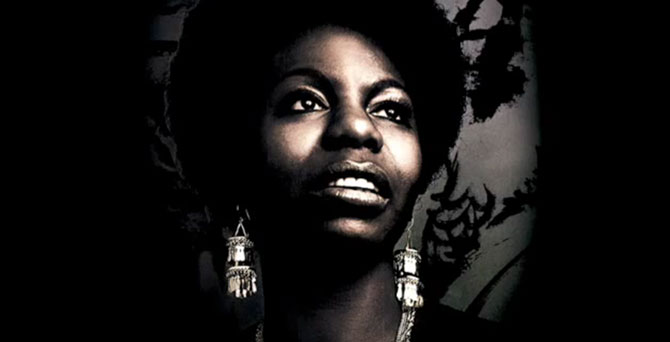
If the Side A/Side B thing seems pretentious, there’s at least a little method to my (nostalgic) madness. See, ideally, one who listens to this mix will take a short break after Nina Simone’s “Mississippi Goddam.” Frankly, I don’t know how anyone could hear that song and not need to stand up, walk around, pour a stiff drink, smoke a cigarette, something.
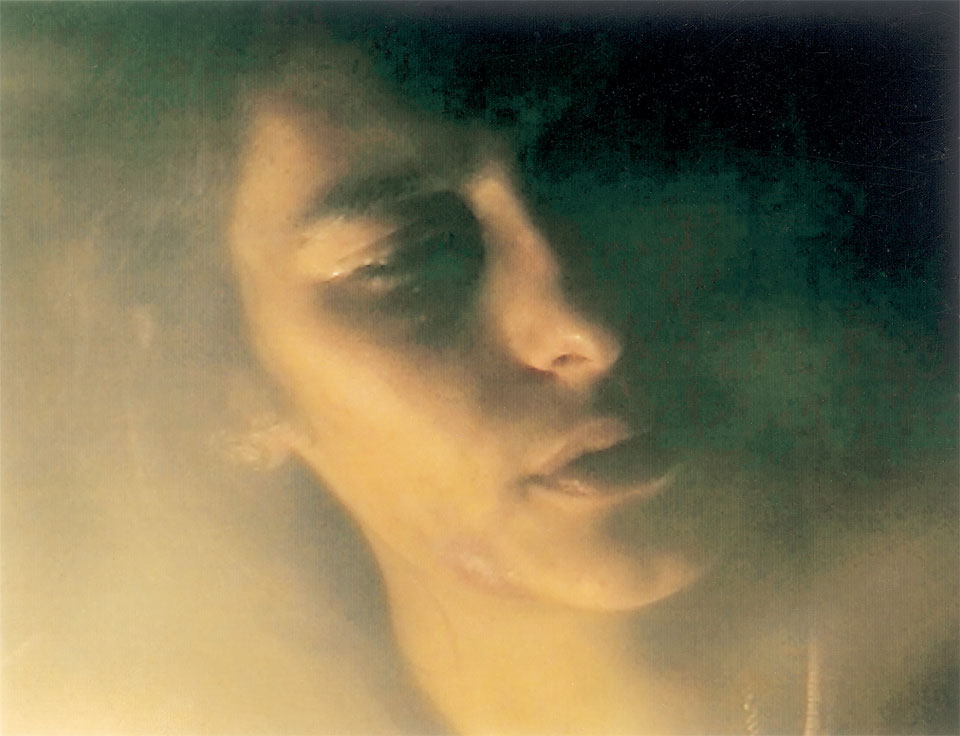
This essay was originally published in Faith and Spirituality in Masters of World Cinema (2008), edited by Kenneth Morefield for Cambridge Scholars Publishing.
The variety of communications tools would be overwhelming but for the fact that my friends and I are engaged in what is essentially a single, extended conversation. It’s all come to feel perfectly natural.
A recent post at Pop Dose devoted to “If I Had a Rocket Launcher” reminded me of this interview I did with Bruce Cockburn nearly four years ago.
Reading Cormac McCarthy’s Suttree last year changed my relationship with Knoxville. There’s more poetry here now, and more grime and ash. Suttree’s one of the main reasons I no longer blink before calling Knoxville my home town, even though I’ve only lived here for just over a decade.
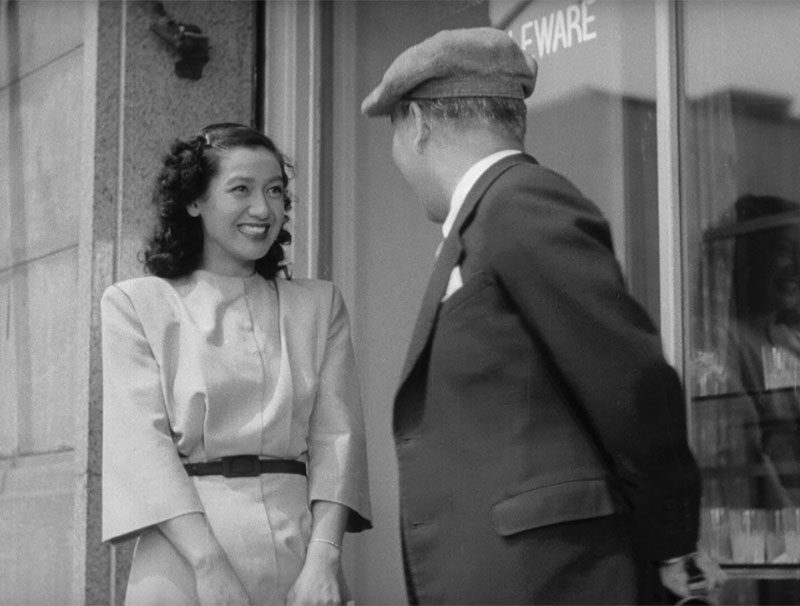
I watched Late Spring for the first time last night (yeah, I know) and had a grand time spotting the details that echo throughout Denis’s film. Mostly, though, I was struck by just how strange a filmmaker Ozu really is, particularly in his cutting. It made me realize that I’m not so sure, exactly, what we mean when we call a film “Ozu-like.”

Here’s a quick breakdown of what I saw, more or less in order of preference. I’m never sure how to handle the Wavelengths shorts, so I’ve included several of them that I thought were especially strong and arbitrarily omitted others. Wavelengths was, without question, the highlight of TIFF for me this year.
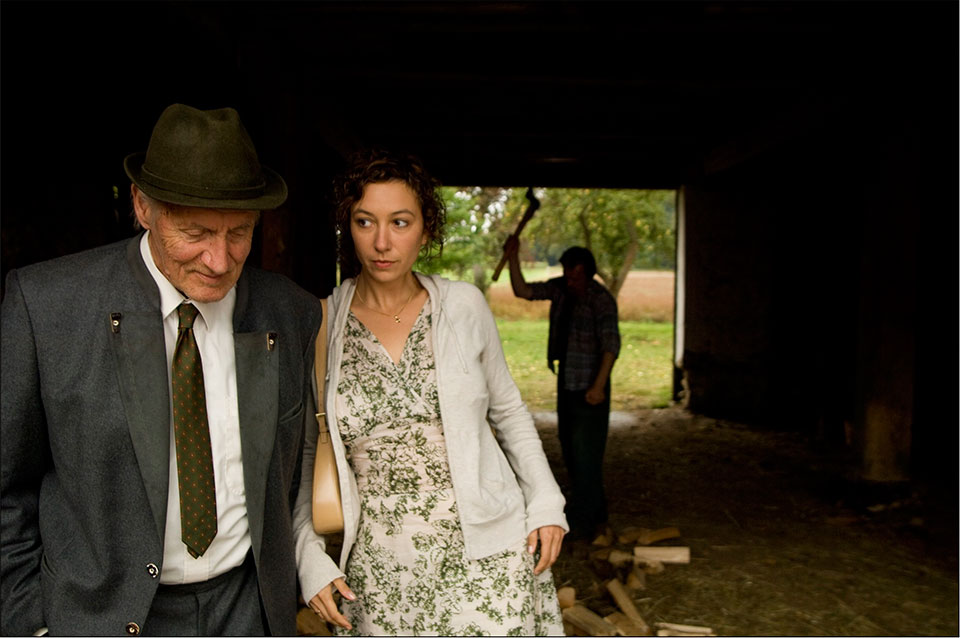
I’ve developed a lazy habit of saying that I don’t particularly care what a film is about; I care what it does formally. But, while well-directed and wonderfully performed, the standout feature of Gotz Spielmann’s Revanche is the story, which, particularly over the last 80 minutes, is perfectly constructed.
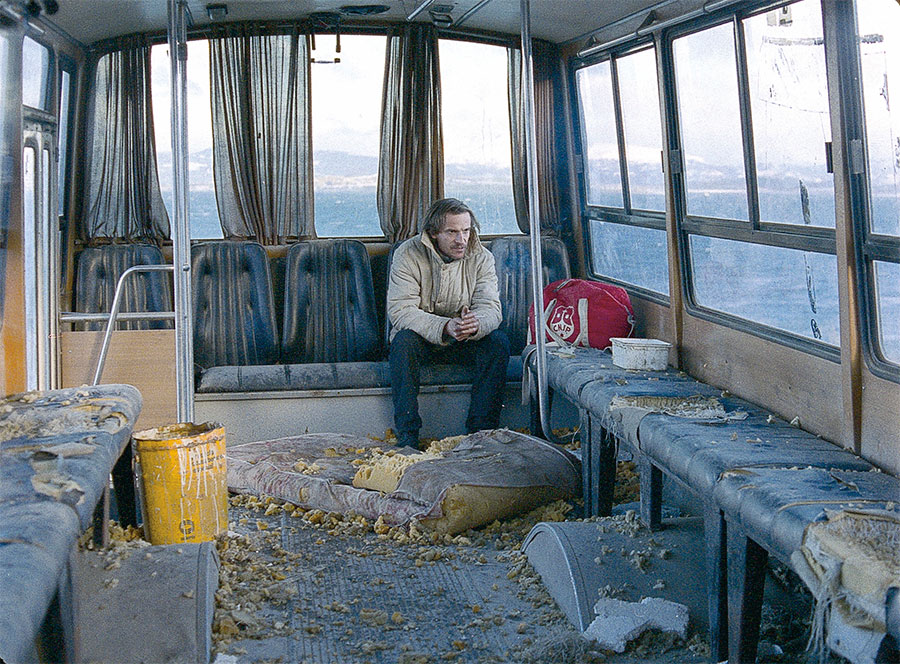
The Toronto International Film Festival is always the most highly anticipated week-and-a-half of my year, but this time around my eagerness to go watch movies, hang out with friends, and wander around a great city is being trumped by the more basic and urgent need for a vacation. I’m deep-down-in-the-bones tired and I can’t wait to get away and be a different version of myself for 11 days. When I got home last year, I told Joanna that Toronto has become my mistress. I’ll stand by that metaphor.

I bought Powerage rather than one of the other, more obvious choices because it includes “Riff Raff,” hands-down my favorite AC/DC song. There’s much to love about this song — the opening crescendo, Angus’s riffs, the driving 8th-note bassline, the unimpeachable beauty of a 3-chord song
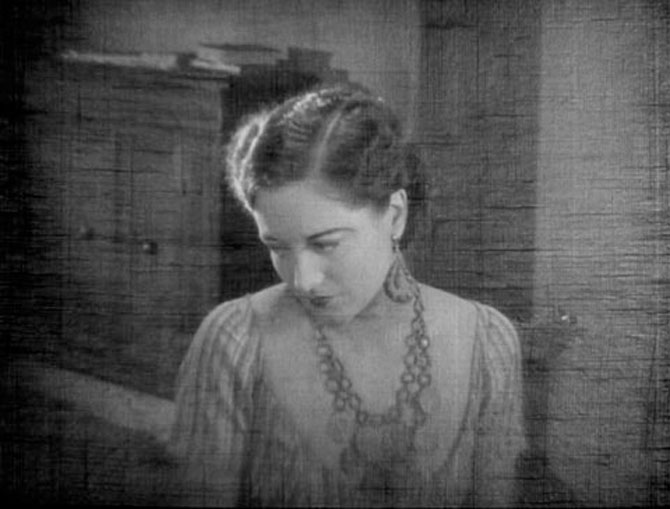
Melodrama is a matter of narrative and performance style, of course, but, particularly in silent cinema, the core of melodrama is mise-en-scene.
If an alien landed on your doorstep and asked you what a guitar sounds like, what songs would you play?
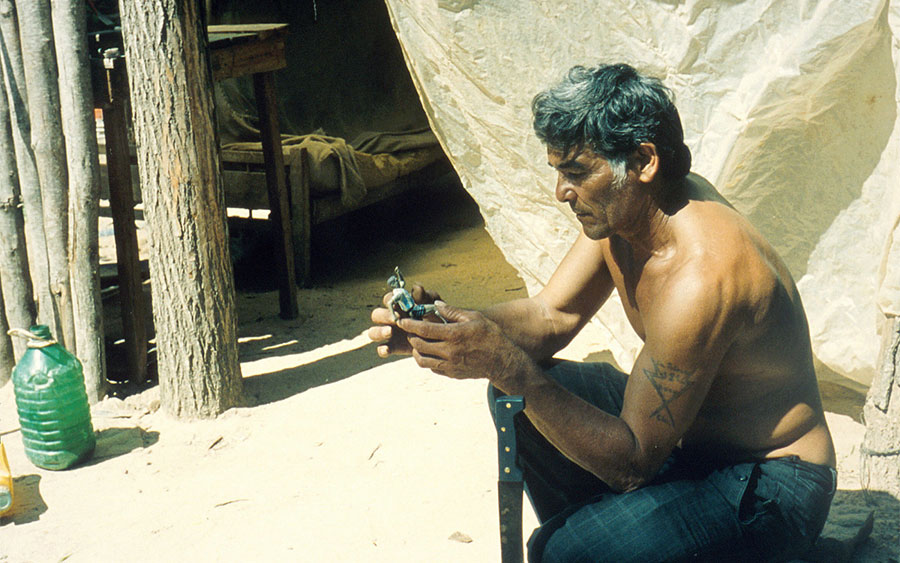
What fascinates me about Los Muertos is that it explores the connection between form and content by taking all of the tropes of “transcendental cinema” and staining them, by narrative means, with dread and violence. It reminds me of Brian Eno’s answer (apocryphal, perhaps) when he was asked if he was the father of New Age music: “No, my music has evil in it.”
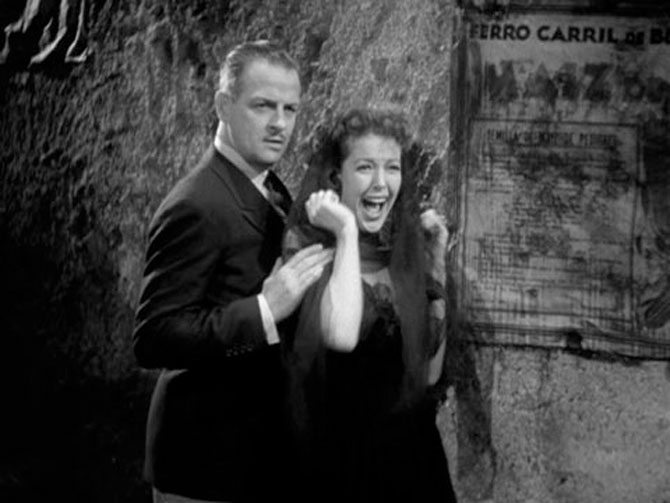
The following are screen captures from two related sequences in John Ford’s Four Men and a Prayer, a remarkable (and remarkably strange) film about imperialism, globalization, and the military industrial complex that predates America’s involvement in World War II by three years.
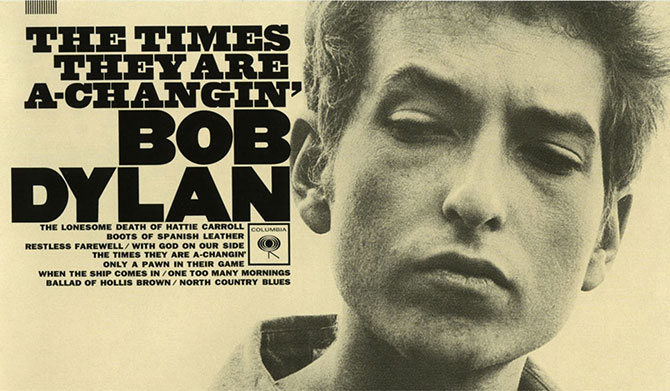
The Seven Songs “Boots of Spanish Leather” by Bob Dylan “Inside a Boy” by My Brightest Diamond “Spirits (Having Flown)” by Bee Gees “A Letter to Both Sides” by The Fixx “Elegie in C Minor,… Seven Songs
This year I’m going to reread a few of the books that inspired me to become an English major way back when. I’m curious to see, fifteen years later, how my sense of the novels has evolved. So far, Nabokov is more impressive and Humbert is more disturbing than I remembered. Case in point:
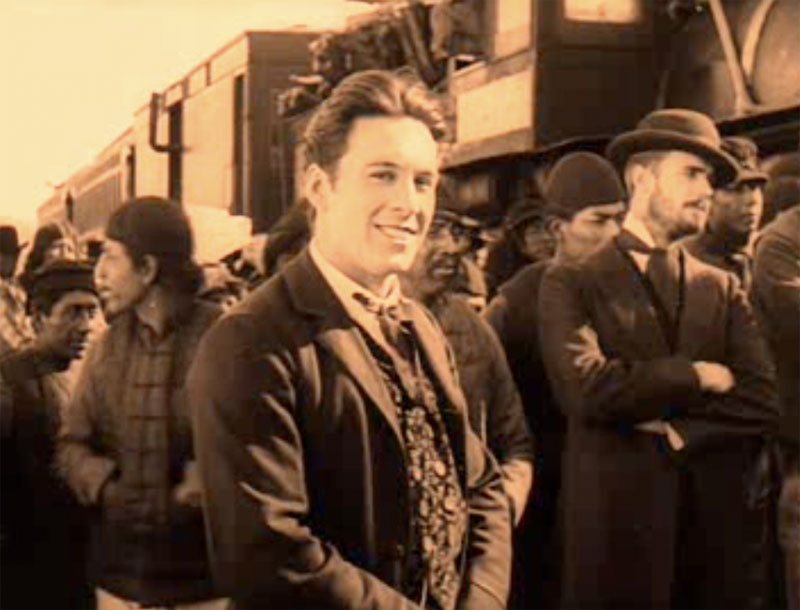
Along with simply being a tremendous pleasure to watch, The Iron Horse offers a fascinating peek into the evolution of the Hollywood film style. By 1924 — and with four dozen films under his belt — Ford already understood the mechanics of what would eventually be called standard continuity editing, and so, for me, the most interesting moments in the early films are when something breaks, as in the following sequence.
And, seriously, she really needs to stop using “elite” as a pejorative — first because it degrades language (if “elite” doesn’t necessarily describe the most powerful office in the world, then it no longer means “elite”), and second because SHE LIVED IN THE WHITE HOUSE FOR EIGHT YEARS. Her efforts to exclude herself from “the elite” is an embarrassment to her intelligence and experience.