Nine Questions
What with Dubya and Tony Blair now promising startling revelations in the coming weeks (what exactly does a dossier look like?), I’d like to join those who are encouraging the President to answer the following questions.
What with Dubya and Tony Blair now promising startling revelations in the coming weeks (what exactly does a dossier look like?), I’d like to join those who are encouraging the President to answer the following questions.
The Culture of the Cold War is divided into chapter-long studies of the major voices of popular culture, each of which, according to Whitfield, reflected and contributed to the polarity that characterized so much of the 1950s.
What most fascinates me about this novel—along, of course, with Roth’s beautiful prose—is its inability, ultimately, to make any sense of the Swede’s tragedy.
But Black Water is first and foremost a novel about Kelly Kelleher and, by analogy, all other women who have been abused, exploited, and discarded by the powerful and by the media that report it.
Schaub focuses the majority of his attention on the early post-war years, turning to the New York Intellectuals—Howe, Trilling, and Schlesinger, in particular—for his diagnosis of the crisis at the heart of the American Left at the start of the Cold War.
At the site of the execution—fantastically transposed from Sing Sing to the middle of Times Square—Nixon appears with his pants around his ankles, fully erect, then brings the crowd to a riotous frenzy as history dissolves around them.

Letter essentially follows the trajectory of a Thomas Hardy novel: Lisa pines desperately, refuses the proposal of an honorable suitor, and abandons her parents — all sacrifices made to her absurd romantic delusions.

The film actually becomes more interesting to me if I imagine Mui in twenty years, her beauty faded, her husband gone, and her spirit empowered.

As Mike Frank has recently asked, “What might narratology look like if we were to take cinema — particularly ‘classical Hollywood cinema’ — as the paradigmatic instance of storytelling?”

Like Edward Hopper, Antonioni composes the frame with his heroine in the lower right corner, alienating her completely from her surroundings.
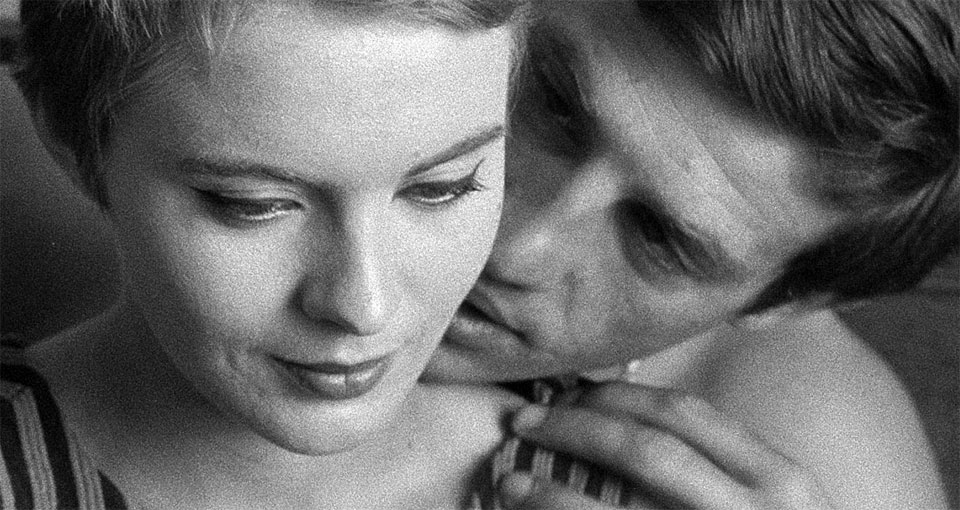
Godard caused a sensation forty years ago with this, his first film, by not only tearing down cinematic and narrative conventions, but by doing so with a sly, mocking wink to his audience.
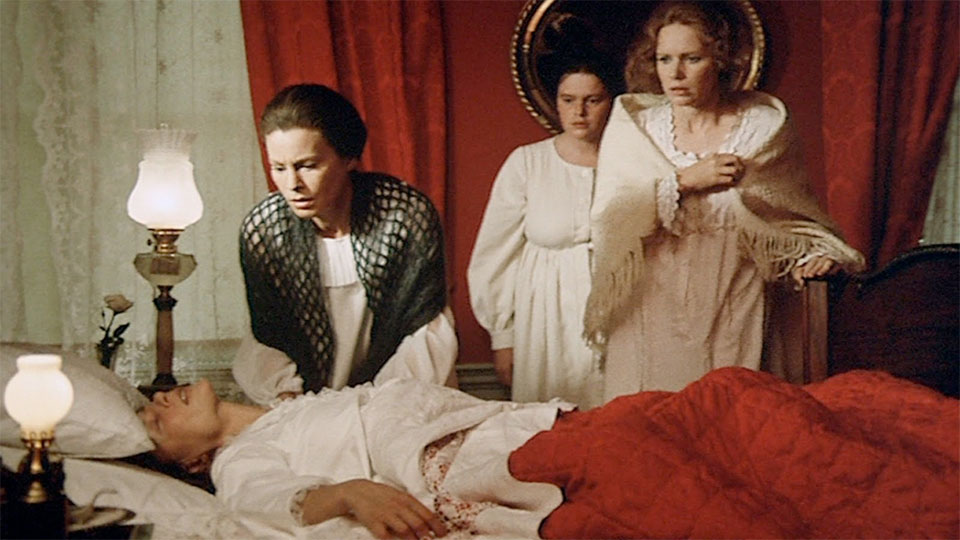
Cries and Whispers is built from the simplest of premises: two wealthy women, both trapped in loveless marriages, return home to the family estate to comfort their dying sister.
Reading The Woman Warrior now, twenty-five years after its original publication, I find it difficult to separate the actual text from the cultural milieu in which it was written.

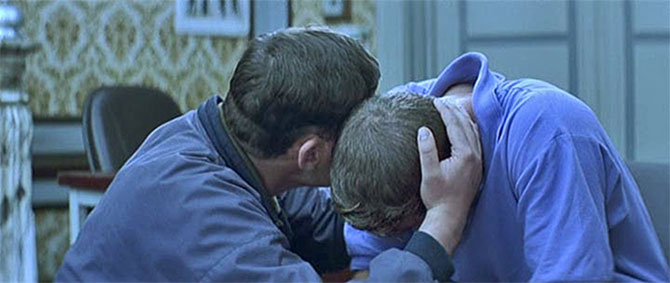
Walker Percy characterizes the 20th century American novel as a recurring investigation of “the essential loneliness of man.” It’s hardly an original conceit, but I was reminded of it constantly yesterday as I watched Vive L’Amour.
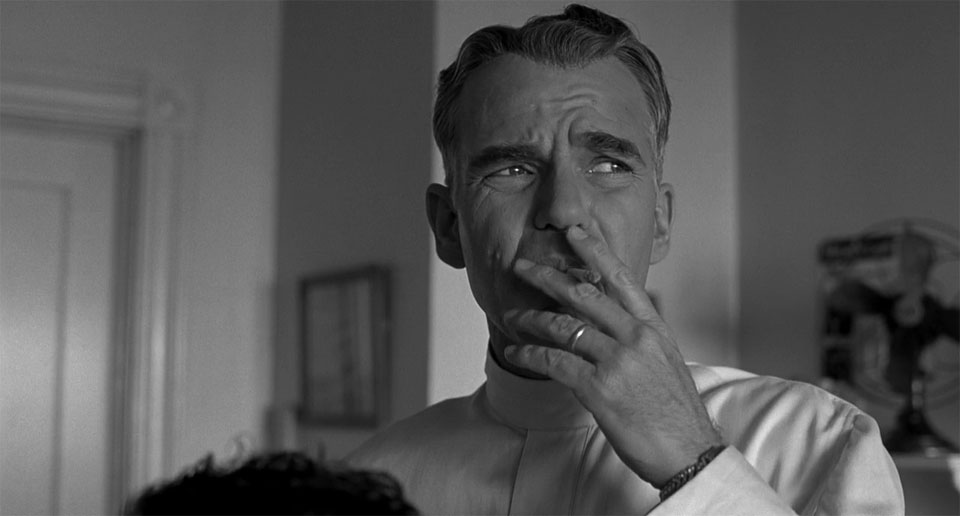
The problem with The Man is that the Coens have invested a character with genuine pathos, but seem to have done so only in the interest of later undercutting it with their typical brand of cynical Nihilism.
Baldwin is so determined to explode the intersections of race, gender, and sexuality that he makes a fatal mistake: instead of being particularly insightful or even shocking, Another Country is preachy, sentimental, and, worst of all, boring.

Walt Whitman would be proud. It’s remarkable to hear echoes of Whitman in the voice of a contemporary filmmaker, but there he is, still singing the “body electric” and sounding his “barbaric yawp.”
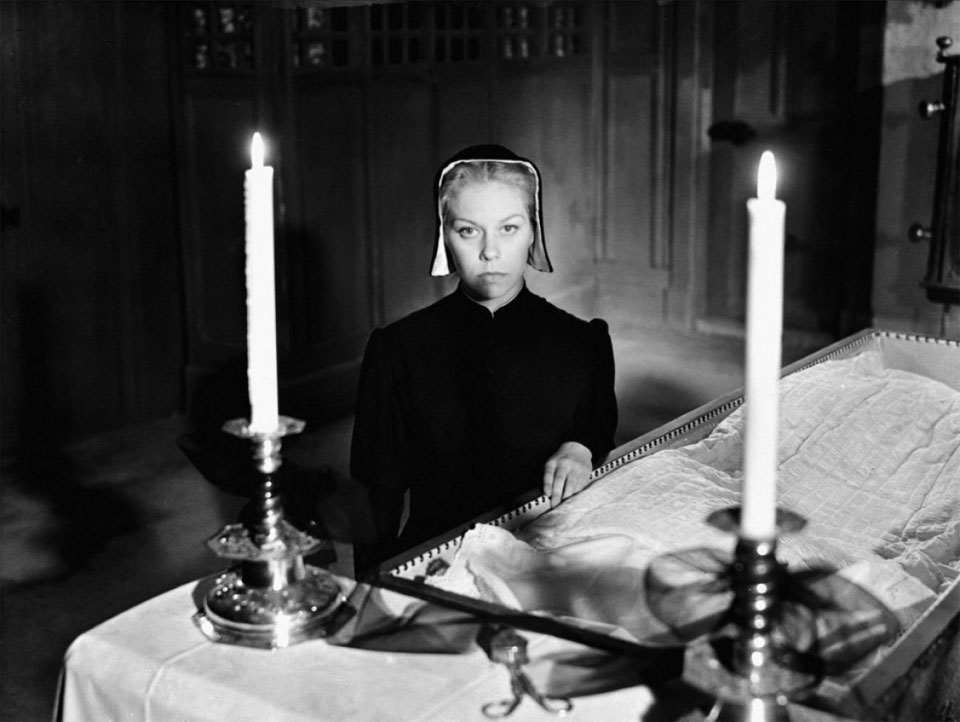
Day of Wrath is a damning critique of hypocritical authoritarian power told in very human terms, a modern fable that interrogates faith and sin, love and family, desire and its consequences.
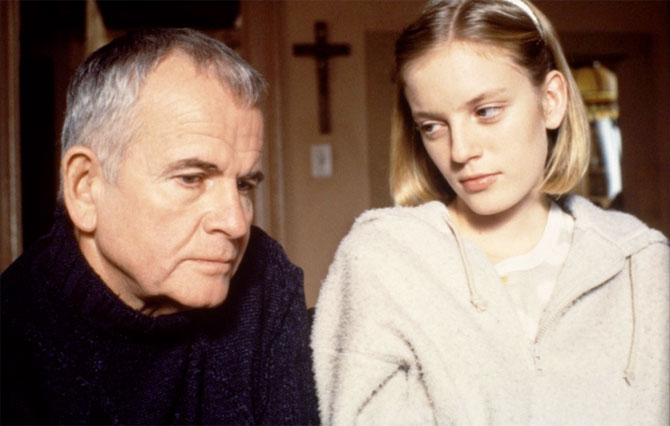
There’s a scene in The Sweet Hereafter in which Mitchell Stephens — a big city ambulance chaser played to perfection by Ian Holm — sits in a cramped airplane seat, telling the passenger beside him a story from when his daughter, Chloe, was a child.
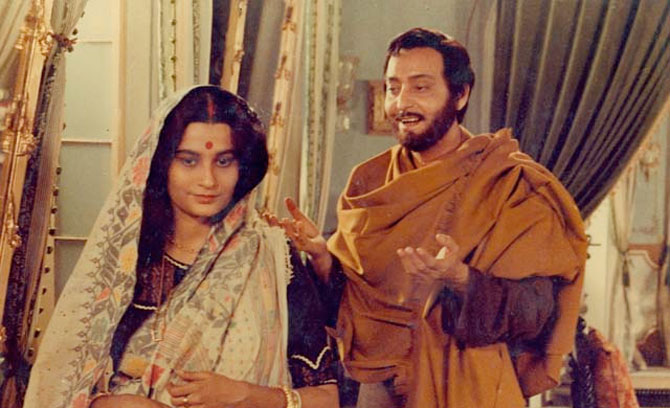
In 1907, British rulers of India have partitioned Bengal, dividing the Muslims from the Hindus and silencing their collective political voice in the process. In response, Swadeshi, a burgeoning nationalist movement, demands a boycott of all British goods.

A crisis of faith, however, is a process, an on-going debate that can often seem frustratingly one-sided. Reducing such a debate to a simple question and an even simpler answer — as often happens both in the movies and the Church — only trivializes it.
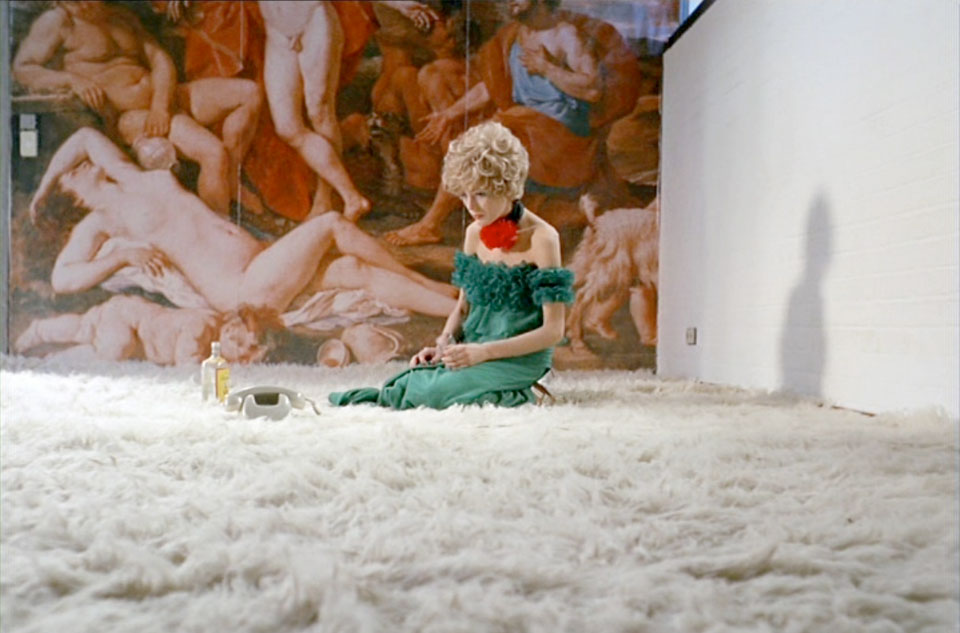
The title character (played by Margit Carstensen) is a successful fashion designer whose happiness has been shattered by the death of her first husband and by a bitter divorce from her second.

Jean-Louis, a young engineer, spies his ideal woman at Sunday Mass. Francoise is young, attractive, blonde, and, most importantly, a practicing Catholic. Before they have even met, Jean-Louis determines that Francoise will be his wife.

“If my films are messy,” Imamura has said, “this is probably due to the fact that I don’t like too perfect a cinema.” He has also said, “I love all the characters in my films, even the loutish and frivolous ones. I want every one of my shots to express this love.”
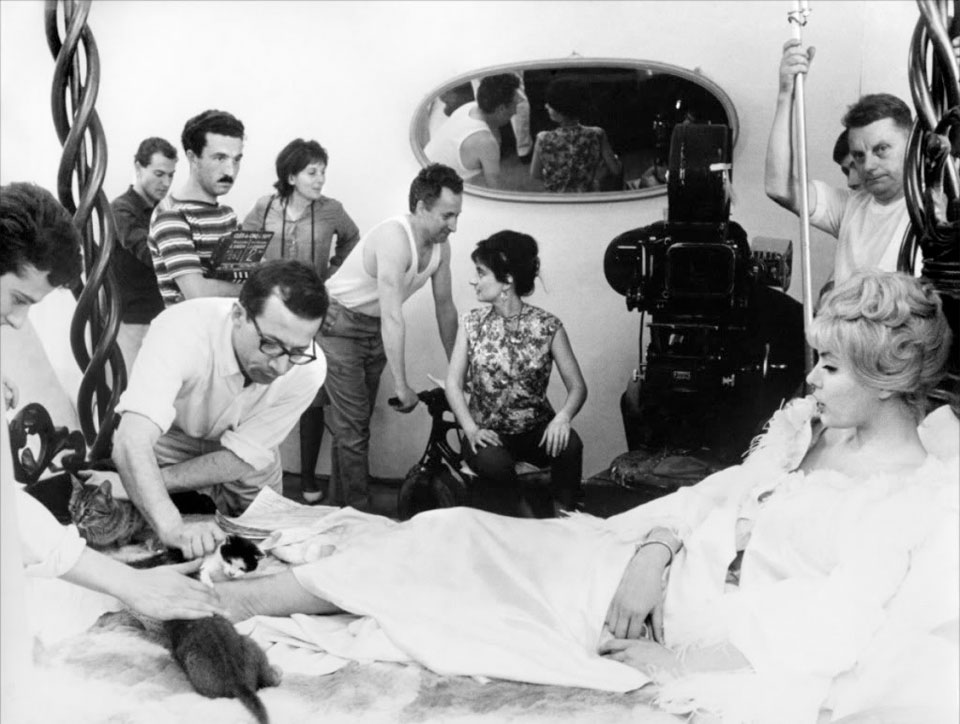
Cleo (Corrinne Marchand) is a beautiful, spoiled, self-obsessed pop singer. As the film opens, she is having her fortune told by a tarot reader, who is startled to discover death and cancer in the singer’s immediate future.
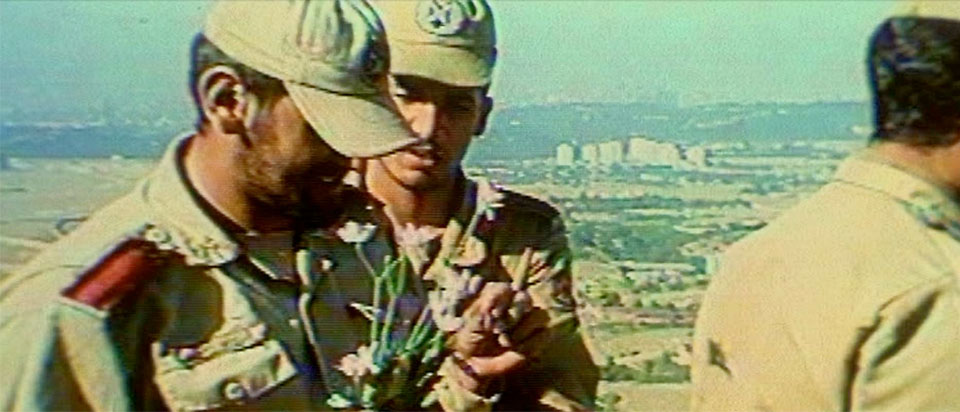
Mr. Badii (played by Homayon Ershadi, an architect friend of Kiarostami) is a middle aged man who spends much of the film driving through the hill country surrounding Tehran, looking for someone to help him commit suicide.
Lenore Beadsman’s life is complicated. The 24 year old heir to the Beadsman baby food empire struggles to balance her career as a call center operator — where the lines of communication seem perpetually crossed — with her, um, complex relationship with her boss, Rick Vigorous, of Frequent and Vigorous Publishing.
In the opening chapters of Their Eyes Were Watching God, an elderly African-American woman sits down with her granddaughter and explains the main lesson she has learned during her difficult life, one that has spanned from the final years of slavery to the more promising days of the twentieth century.
Willa Cather was nearly 40 years old in 1913 when she published O Pioneers!, her second novel. It’s difficult, then, to overlook the obvious similarities between her own life and that of her heroine, Alexandra Bergson.